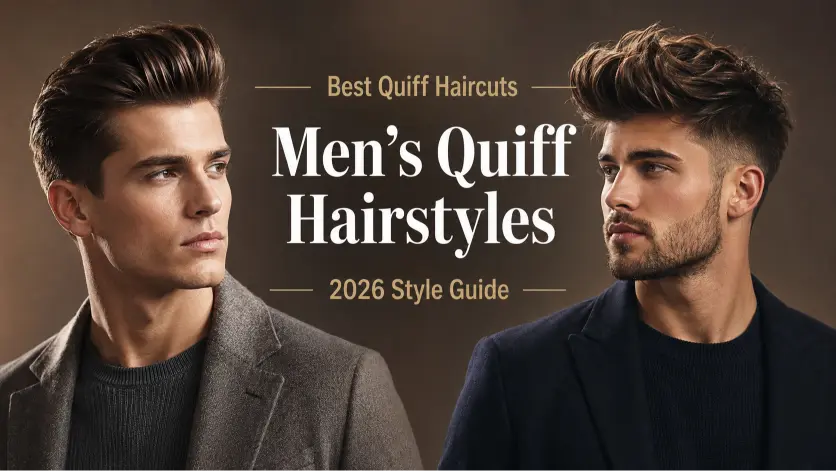
20 Quiff Hairstyles for Men That Add Volume and Texture
Flat, lifeless hair can make even a good haircut look dull. A lot of men struggle to find a style that adds height without looking overly styled or hard to maintain. That’s where the quiff stands out. It adds volume, movement, and structure while still working with different hair types and personal styles.
Whether you want a clean professional look, a textured modern finish, or something bold with extra height, the right quiff hairstyle can completely change how your hair looks and feels.
What Is a Quiff Hairstyle?
A quiff hairstyle features longer hair at the front that is brushed upward and slightly backward to create height and volume. The sides are usually kept shorter for contrast. Modern quiffs can be clean, messy, textured, faded, or slick depending on the haircut and styling method, making them one of the most versatile men’s hairstyles.
1. Classic Quiff
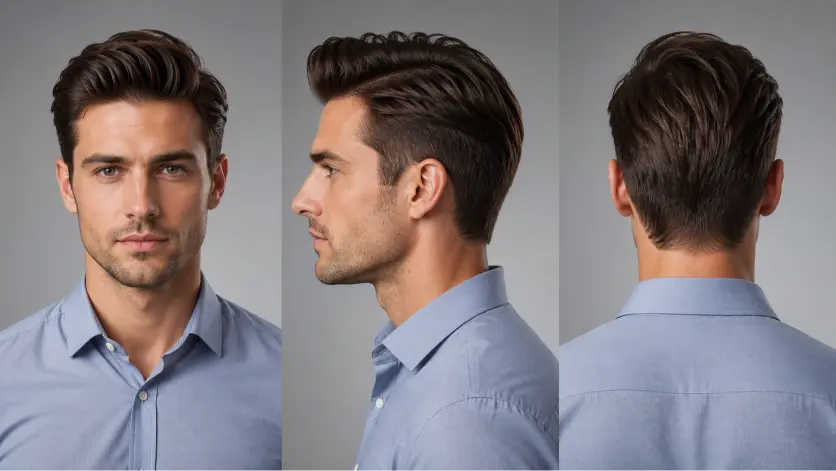
The classic quiff keeps moderate length on top with neatly tapered sides and a smooth brushed-back front section. Unlike a pompadour, the hair is not overly dramatic or heavily slicked down. It creates natural volume without looking stiff.
This style suits men who want a timeless haircut that works both casually and professionally. It works best on straight or slightly wavy hair with medium density. Oval, square, and heart-shaped faces benefit most because the added height balances facial proportions nicely.
The classic quiff gives a clean, confident appearance without looking too trendy. Styling usually requires a blow dryer and medium-hold pomade, but daily maintenance stays manageable.
2. Textured Quiff
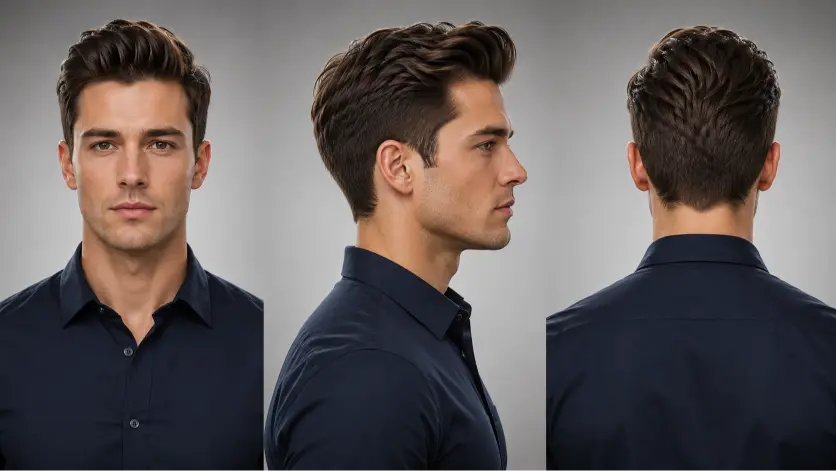
The textured quiff focuses less on smoothness and more on movement and separation. The top is layered and styled with a matte product to create a slightly messy finish full of texture.
This is one of the best options for men with thick hair because layers reduce bulk while keeping fullness. It complements square, oval, and diamond face shapes especially well.
Compared to a polished quiff, this version feels more relaxed and modern. It’s ideal for men who want volume without looking overly groomed. Styling effort is moderate, but the messy finish makes imperfections look intentional.
3. Low Fade Quiff
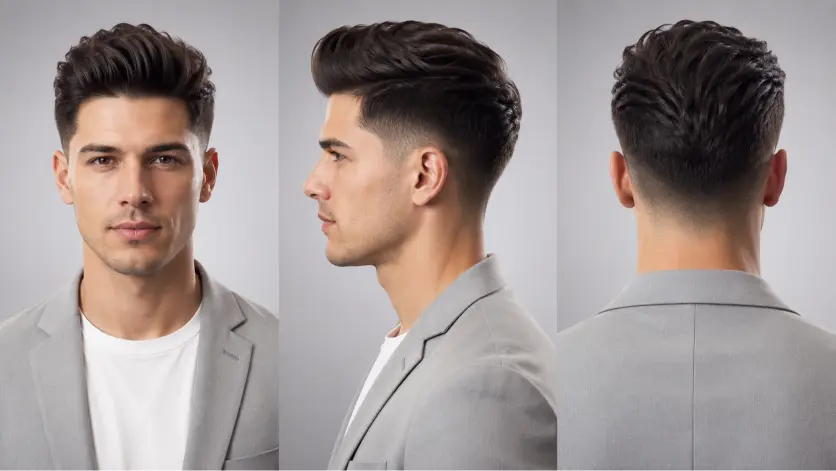
A low fade quiff combines volume on top with a subtle fade that starts just above the ears. The gradual transition keeps the haircut clean without creating harsh contrast.
This style works particularly well for office settings because it looks sharp without being aggressive. Straight, wavy, and slightly curly hair all work well with this cut.
The low fade keeps the sides neat while the quiff adds height and texture up top. Men with round or fuller face shapes often benefit from this style because the added height visually elongates the face.
4. High Fade Quiff
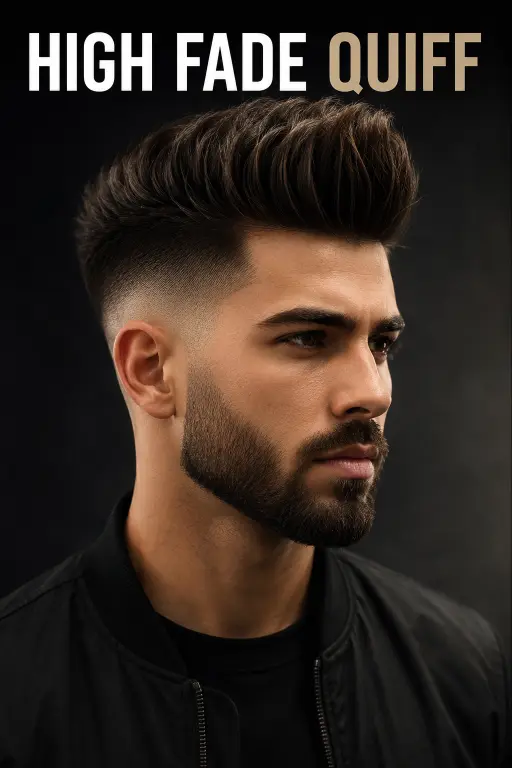
The high fade quiff creates stronger contrast by keeping the sides very short and placing all the visual focus on the top. The sharp fade makes the quiff appear fuller and taller.
This haircut suits men who like bold, structured hairstyles with a modern edge. Thick hair works best because it helps maintain height and definition.
The high fade gives a cleaner, more dramatic look than softer quiff variations. It requires more regular barber visits to keep the fade sharp, but the result looks crisp and intentional.
5. Messy Quiff
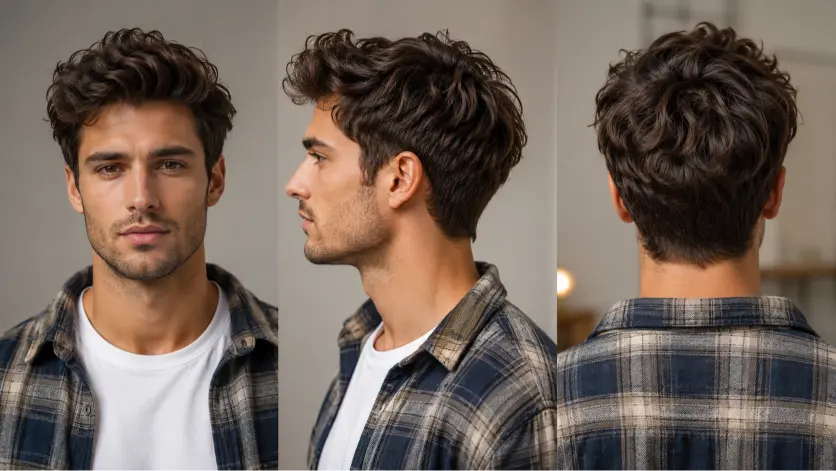
The messy quiff uses uneven texture and loose styling to create a more effortless appearance. Instead of perfectly combed hair, the front is pushed upward with natural movement.
This style is ideal for men who dislike rigid styling routines. It works especially well with wavy or thick hair because natural texture improves the overall look.
The messy quiff gives off a casual, relaxed vibe without appearing unkempt. Matte clay or texture powder usually works better than shiny pomades here.
6. Short Quiff
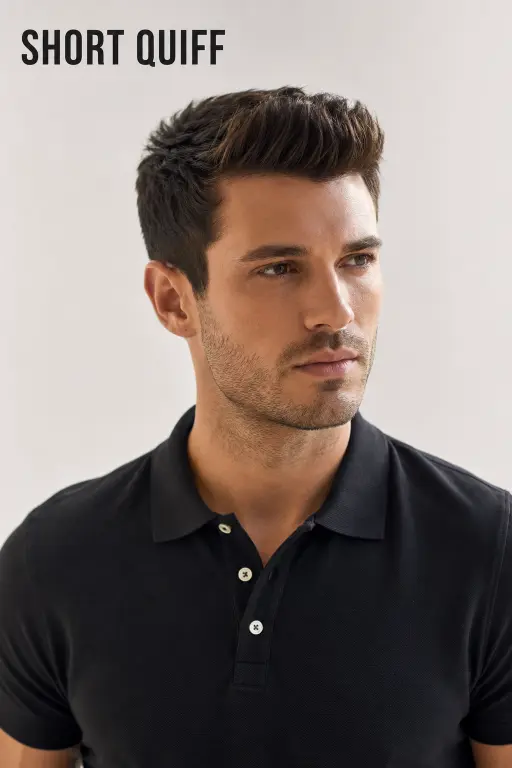
The short quiff keeps the front slightly elevated while maintaining shorter overall length. It offers the shape and volume of a quiff without requiring long hair on top.
This is a practical choice for men who want low-maintenance styling or work in conservative environments. It suits straight and fine hair surprisingly well because shorter hair is easier to control.
The shorter length keeps the hairstyle neat while still adding dimension. It’s also one of the easiest quiff styles to maintain daily.
7. Long Quiff
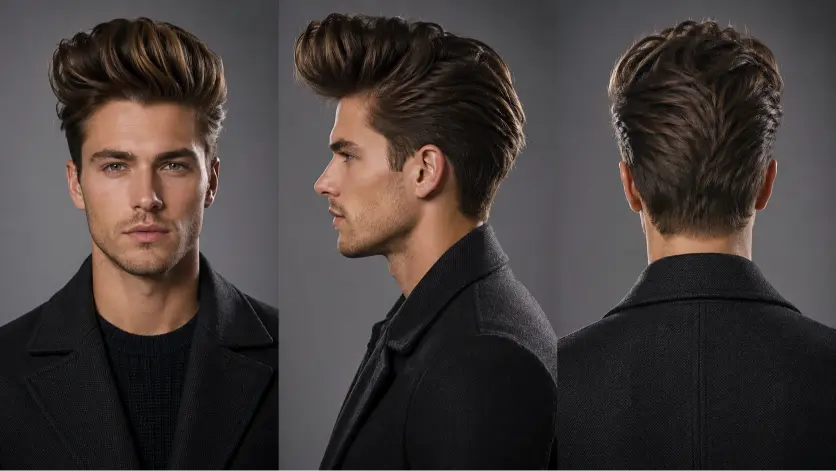
The long quiff features noticeably more length at the front and crown, allowing for dramatic height and movement. The extra hair creates a fuller, more expressive style.
This version suits thick hair best because fine hair may struggle to hold shape. Oval and rectangular face shapes handle the added volume particularly well.
The long quiff delivers a fashion-forward appearance and offers multiple styling options. However, it requires more time with a blow dryer and stronger styling products to keep the shape intact.
8. Curly Quiff
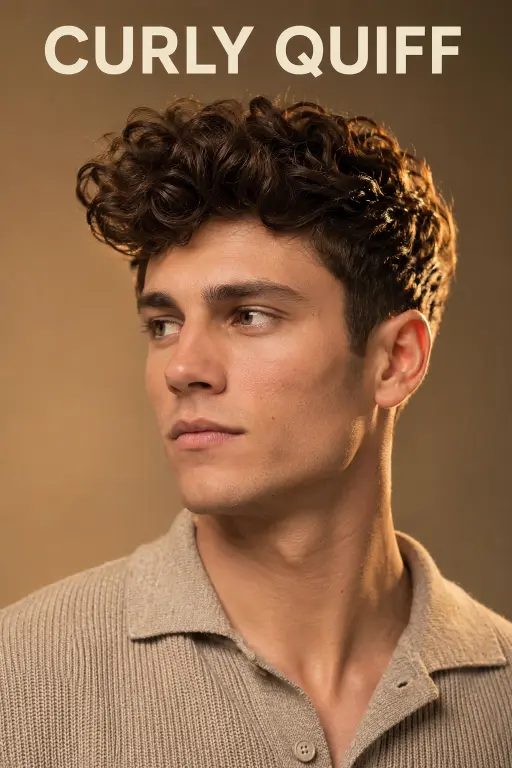
The curly quiff uses natural curls to create texture and volume instead of forcing the hair completely straight. The curls remain visible while the front is lifted upward.
This haircut works best for men with naturally curly or coily hair who want shape without flattening their texture. It gives a more natural, modern appearance compared to heavily styled curly cuts.
The curly quiff adds width and movement while keeping curls controlled. Moisturizing curl creams and diffusers usually help maintain definition without frizz.
9. Undercut Quiff
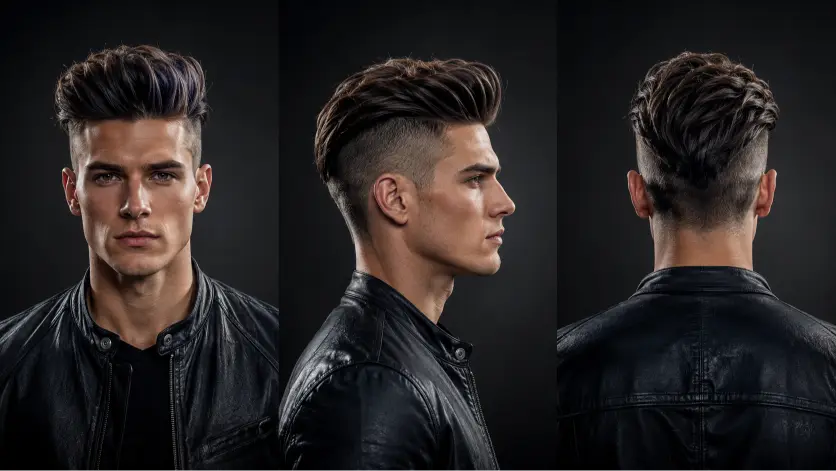
The undercut quiff features disconnected sides with longer hair left untouched on top. Unlike fades, the transition between the top and sides is very noticeable.
This creates strong contrast and makes the quiff appear larger and more dramatic. It works best on thick, straight, or wavy hair that can hold volume.
The undercut quiff has a sharper, edgier feel than softer taper styles. It’s ideal for men who want their haircut to stand out immediately.
10. Side-Part Quiff
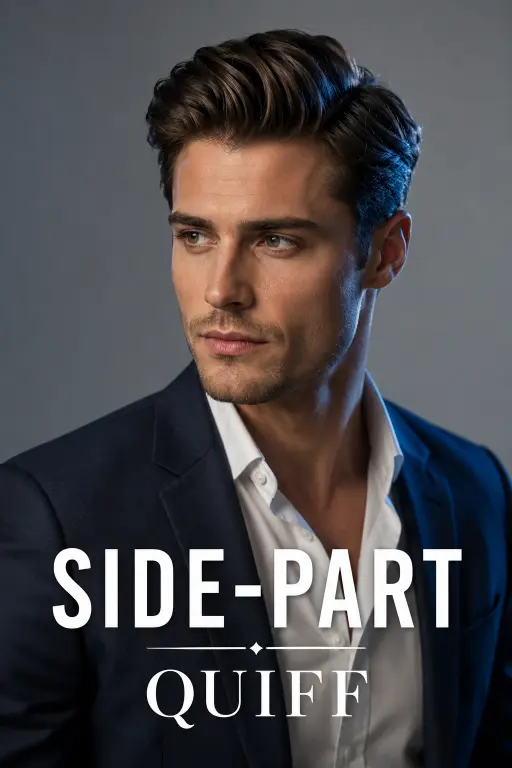
The side-part quiff blends a traditional side part with the height of a quiff. One section is swept upward while still maintaining directional flow.
This haircut suits professional settings extremely well because it balances classic grooming with modern texture. Medium-density hair works best since the style needs enough volume without becoming bulky.
It complements square and oval face shapes particularly well and gives a refined, polished look without appearing old-fashioned.
11. Skin Fade Quiff
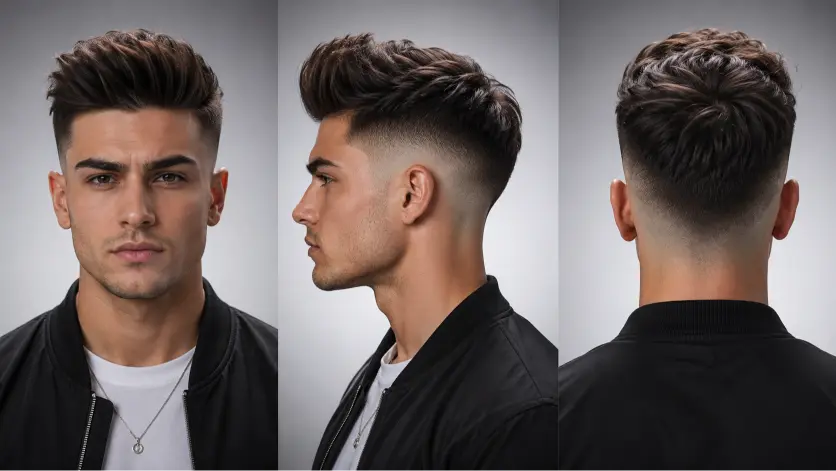
The skin fade quiff uses ultra-short faded sides that blend directly into the skin, creating maximum contrast with the fuller top.
This style creates a sharp, clean silhouette and works well for men who like high-definition haircuts. Thick hair is ideal because the fuller top becomes the focal point.
The skin fade adds freshness and structure while the quiff prevents the haircut from looking too severe. Maintenance is higher because skin fades grow out quickly.
12. Wavy Quiff
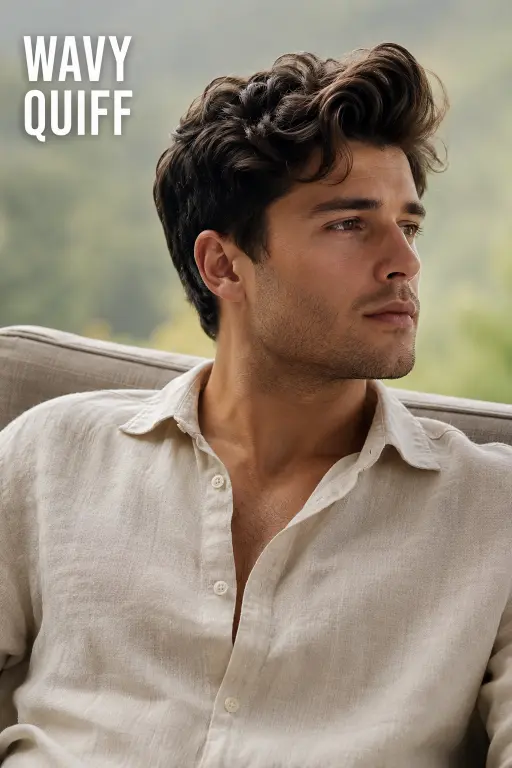
The wavy quiff embraces natural waves instead of forcing perfectly straight styling. The movement in the hair gives the quiff extra texture and softness.
This style works especially well for medium-length hair with natural body. It creates a more relaxed and approachable appearance than rigid, slick styles.
Men with square or angular face shapes often benefit from the softer texture because it balances sharp facial features naturally.
13. Modern Quiff
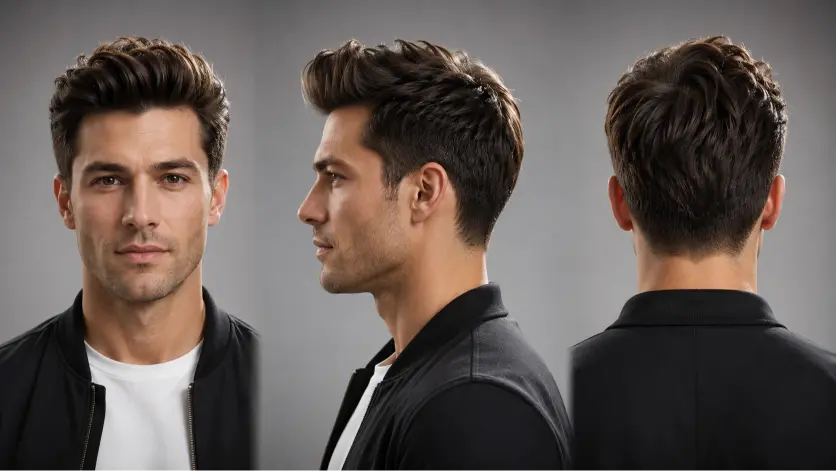
The modern quiff mixes volume with natural texture, softer edges, and less shine than traditional versions. It usually includes faded or tapered sides with a matte finish on top.
This is one of the most adaptable quiff styles because it works across different ages and dress styles. It suits almost every face shape when adjusted properly.
The modern quiff feels current without looking overly styled. It’s ideal for men who want flexibility between professional and casual settings.
14. Slicked-Back Quiff
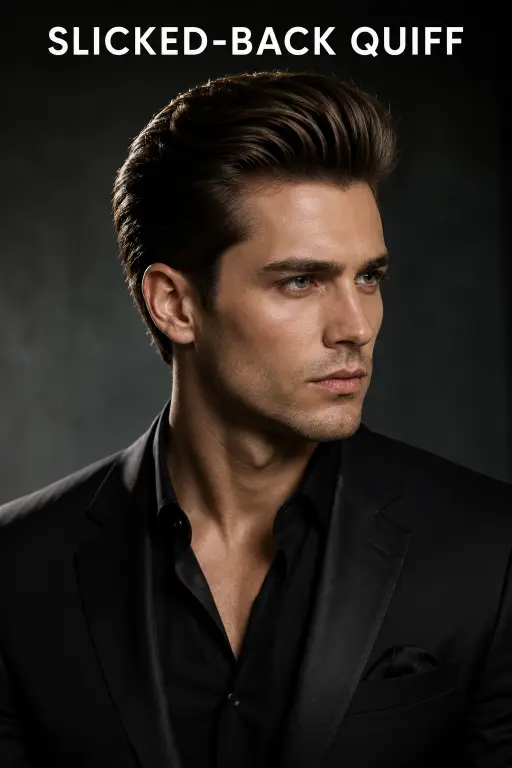
The slicked-back quiff combines height at the front with smoother styling through the crown. It has more shine and structure than textured versions.
This style works best on straight, dense hair that can hold shape cleanly. It creates a confident, polished appearance suited for formal settings or evening wear.
Pomades with medium-to-high shine help achieve the sleek finish. However, the style requires more precise styling than casual quiff variations.
15. Taper Fade Quiff
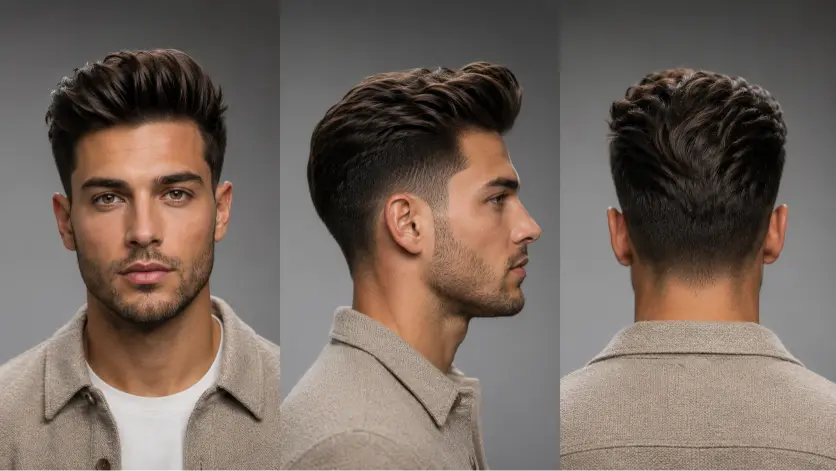
The taper fade quiff gradually shortens the hair around the neckline and sideburns while leaving more softness than a skin fade.
This cut offers balance between clean grooming and natural texture. It suits men who want a versatile haircut that grows out neatly.
The taper fade keeps the quiff looking structured without harsh lines. It works well on most hair textures and requires less upkeep than aggressive fades.
16. Brush-Up Quiff
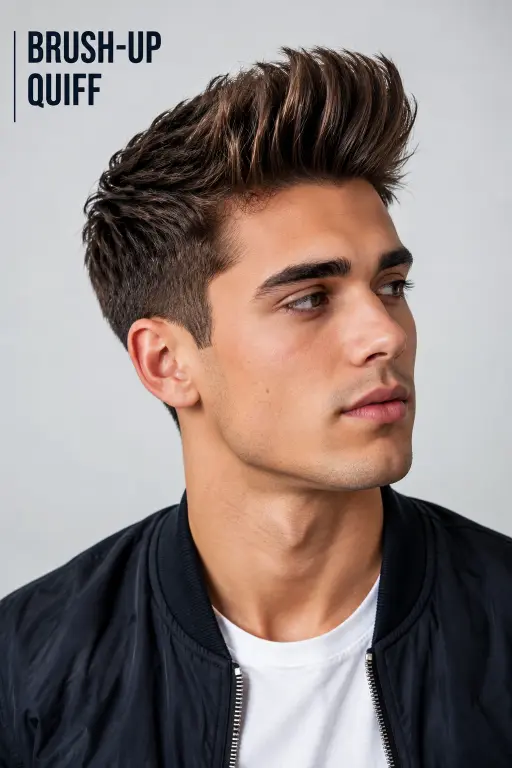
The brush-up quiff focuses on lifting the hair almost vertically at the front instead of sweeping it backward dramatically.
This style gives strong height and works well for men with shorter top length who still want volume. It’s especially effective for round faces because the upward styling creates a longer appearance.
The brush-up quiff feels youthful and energetic while remaining easy to style with a blow dryer and matte paste.
17. Disconnected Quiff
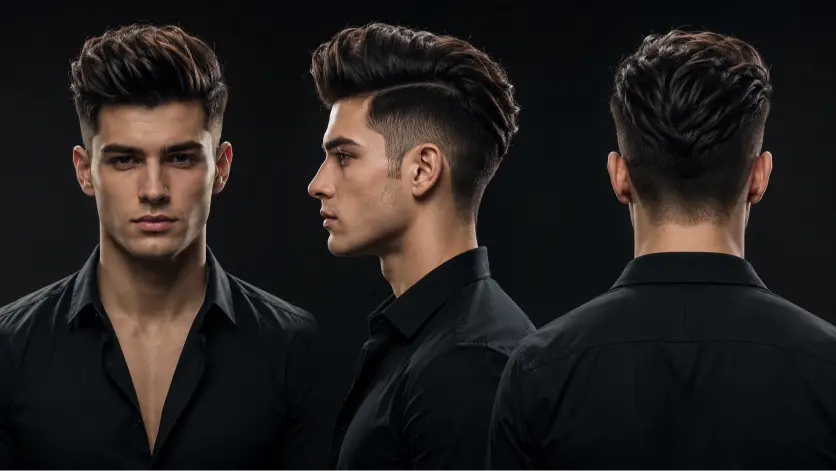
The disconnected quiff exaggerates contrast by separating the longer top from very short sides without gradual blending.
This creates a bold, fashion-oriented look that immediately draws attention to the volume on top. Thick hair works best because it maintains strong structure.
The disconnected shape adds sharpness and edge, making it ideal for men who want a statement haircut rather than something subtle.
18. Faux Hawk Quiff
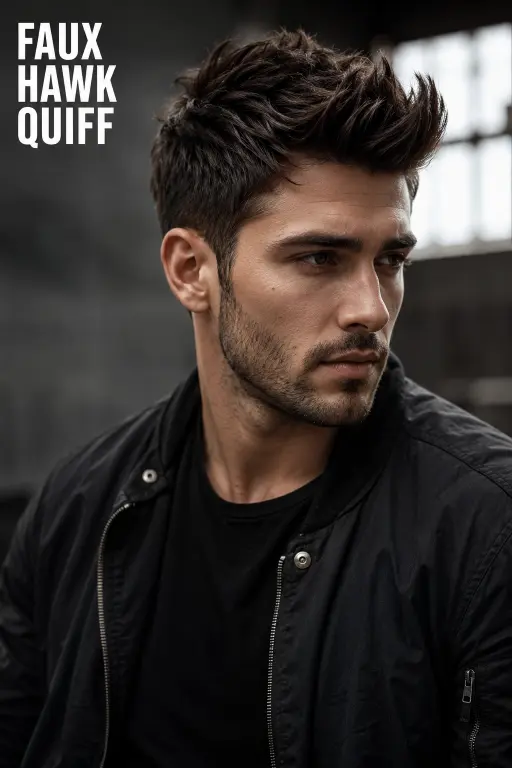
The faux hawk quiff combines the central height of a faux hawk with the softer styling of a quiff. The hair rises toward the middle without becoming overly spiked.
This style works well for men who want something edgy but still wearable daily. It suits thick or textured hair particularly well.
The faux hawk quiff gives a more rebellious look while staying more versatile than a true mohawk.
19. Ivy League Quiff
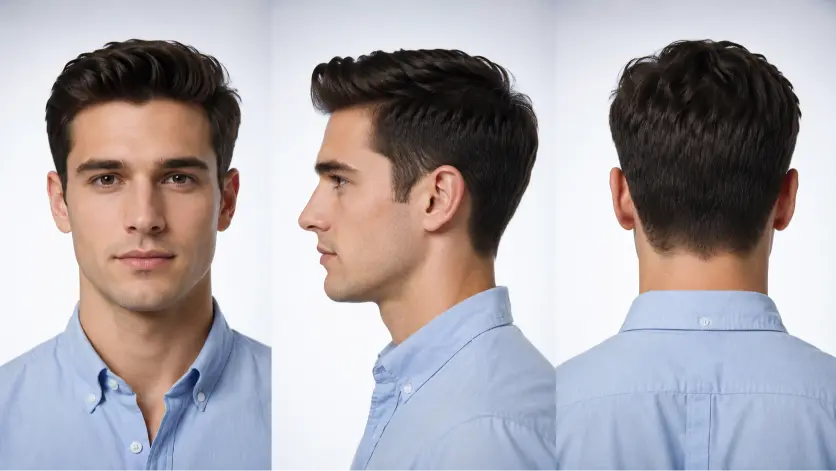
The Ivy League quiff keeps the haircut shorter and cleaner while adding slight volume at the front. It blends academic neatness with subtle texture.
This is one of the best quiff styles for professional environments or mature men who want refinement without excessive styling.
It works best on straight or slightly wavy hair and complements oval and square face shapes nicely. Styling is minimal compared to larger quiffs.
20. Voluminous Quiff
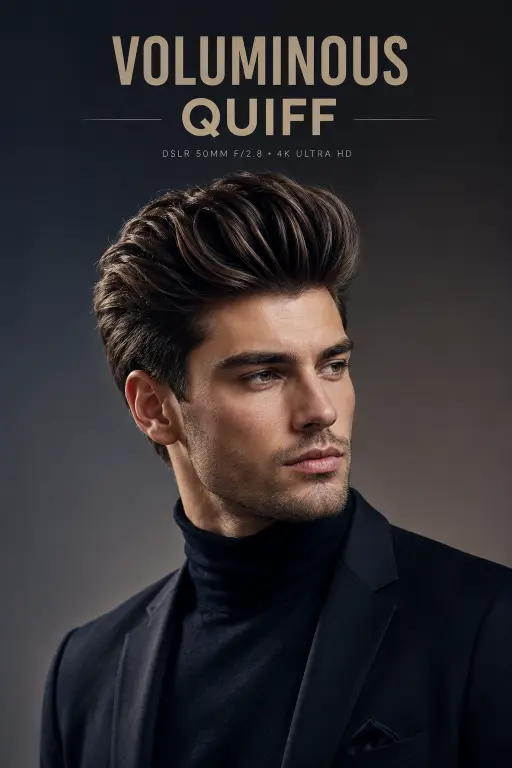
The voluminous quiff focuses entirely on maximizing fullness and height. The top remains significantly longer and is blow-dried for dramatic lift.
This style works best for thick, dense hair with strong hold capability. Men with narrow or longer faces should avoid excessive height because it can over-elongate facial proportions.
The voluminous quiff creates a bold, confident appearance and delivers the most dramatic texture and movement of all quiff variations.
How to Choose the Right Quiff Hairstyle
The best quiff for you depends heavily on your face shape, hair texture, and daily routine.
If you have a round face, taller quiffs with fades help elongate your appearance. Men with long face shapes usually look better with lower-volume quiffs that avoid excessive height.
Hair texture matters just as much. Thick hair handles textured, voluminous, and disconnected quiffs more easily, while fine hair often works better with shorter or cleaner versions that don’t collapse throughout the day.
Hair density also affects styling. Dense hair creates natural fullness, while thinner hair benefits from matte products and shorter top lengths to avoid exposing the scalp.
Lifestyle should guide your choice too. High-volume quiffs often require blow-drying and styling products every morning, while shorter or messy quiffs are easier to manage daily.
Common Mistakes to Avoid
One of the biggest mistakes is choosing a quiff that fights your natural hair texture. Trying to force very curly hair into a perfectly slick quiff often creates frustration and excess styling damage.
Another common issue is going too long on top without enough density to support the shape. This usually causes the quiff to fall flat quickly.
Many men also ignore face shape balance. Extremely tall quiffs can make long faces look even longer, while overly flat styles may widen round faces.
Using heavy greasy pomades on fine hair is another problem because they weigh the hair down and kill volume.
Finally, skipping regular trims makes quiffs lose structure fast, especially styles with fades or sharp tapers.
Pro Tips
- Blow-dry your hair upward before applying product to create longer-lasting volume.
- Use matte clay for texture and natural movement instead of overly shiny pomades.
- Keep the front slightly longer than the crown for a cleaner quiff shape.
- Sea salt spray can help fine hair appear thicker before styling.
- Ask your barber to customize the fade height based on your head shape and hairline.
- Avoid overloading product because heavy buildup flattens the quiff throughout the day.
Conclusion
A good quiff haircut does more than add height — it changes the overall shape, texture, and balance of your hairstyle. The key is choosing a version that works with your natural hair type, face shape, and styling routine rather than against them.
Whether you prefer a clean classic quiff, a textured modern finish, or a bold high-volume style, the right cut can make your hair look fuller, sharper, and easier to style every day.
FAQs
1. What face shape suits a quiff best?
Quiffs work especially well on oval, square, and round face shapes because the added height creates better facial balance. The exact quiff style should still be adjusted based on individual proportions.
2. Is a quiff hard to maintain?
It depends on the length and style. Short or messy quiffs are fairly easy to manage, while voluminous or slicked-back quiffs usually require blow-drying and styling products daily.
3. Can men with thin hair get a quiff?
Yes, but shorter textured quiffs usually work best for thin hair. Lightweight matte products and blow-drying techniques can help create the appearance of more volume.
4. What product is best for styling a quiff?
Matte clay, texture paste, and volumizing mousse are commonly used for modern quiffs. Pomades work better for slick or classic finishes.
5. How often should you trim a quiff haircut?
Most quiff styles look best with trims every 2 to 4 weeks, especially if the haircut includes fades or sharp side detailing.