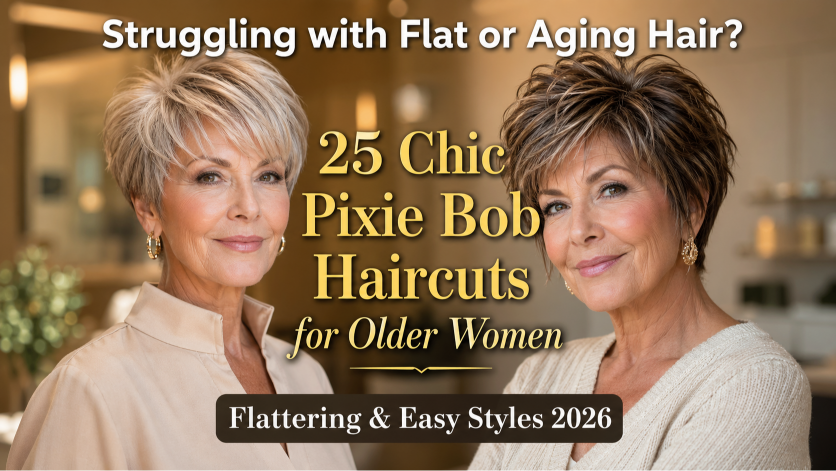
25 Pixie Bob Haircuts for Older Women That Are Chic, Easy, and Flattering
Finding the right haircut as you get older can feel frustrating—especially when your hair texture changes, volume decreases, or certain styles suddenly feel too harsh or aging. That’s where pixie bob haircuts for older women come in. They strike the perfect balance between short and soft, giving you structure without looking severe.
What Is a Pixie Bob Haircut?
A pixie bob haircut is a hybrid style that combines the short, cropped structure of a pixie cut with the slightly longer, softer shape of a bob. It typically features shorter layers at the back and crown with longer pieces around the face, creating movement, volume, and a more flattering, age-friendly silhouette.
1. Classic Layered Pixie Bob
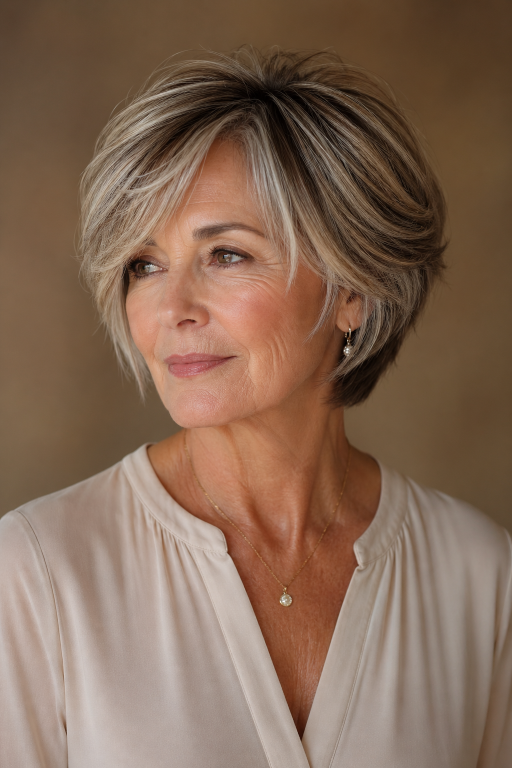
This is the most balanced version of a pixie bob, with soft layers throughout and a slightly longer front. It frames the face gently without exposing too much of the scalp. Ideal for women with fine to medium hair, it adds natural volume and suits oval, heart, and square face shapes. It gives a polished, everyday look and requires light styling with a blow-dry or texturizing cream.
2. Feathered Pixie Bob
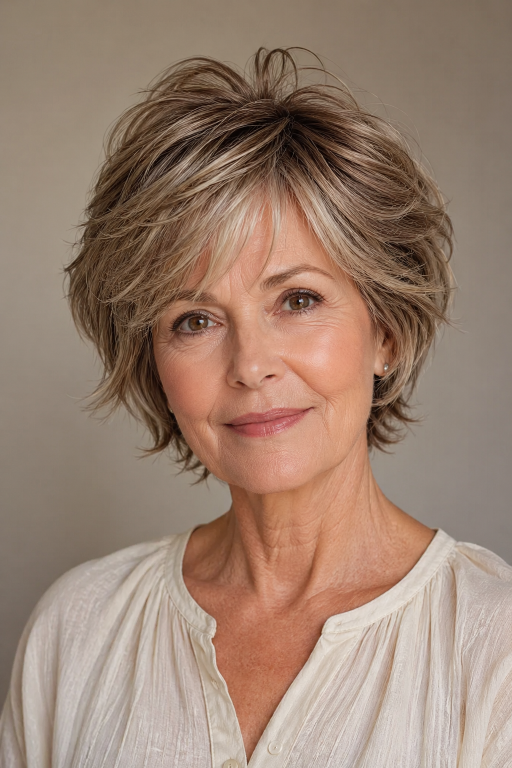
This style uses wispy, feathered layers that create a light, airy texture. The ends are softly thinned out, which works beautifully for thick hair that needs movement. It softens angular features and suits square or rectangular faces. The overall vibe is soft and feminine, and it’s relatively low-maintenance with minimal styling.
3. Tapered Pixie Bob
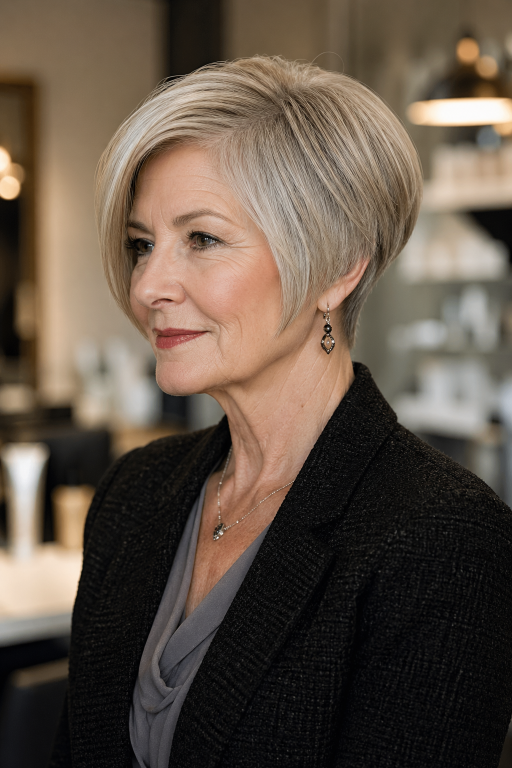
Shorter at the nape and gradually longer toward the front, this cut gives a clean, sculpted shape. It’s perfect for adding structure to thinning hair at the back. Best for oval and round faces, it creates a lifted effect. It looks neat and refined but does require regular trims to maintain the tapered shape.
4. Textured Pixie Bob
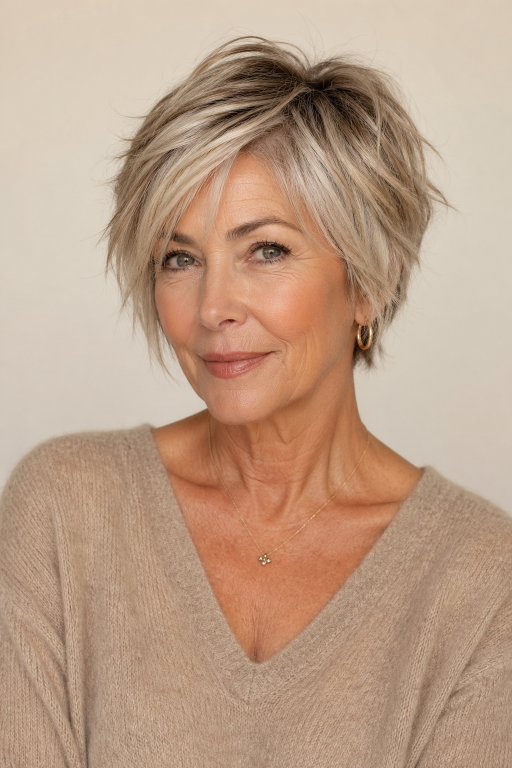
This version is all about choppy layers and separation, creating a slightly edgy, modern look. It works especially well for fine hair because it builds the illusion of thickness. It suits most face shapes and gives a youthful, effortless vibe. Styling usually involves a bit of mousse or wax for definition.
5. Side-Swept Pixie Bob

Featuring a longer fringe that sweeps across the forehead, this style draws attention to the eyes and cheekbones. It’s excellent for softening wrinkles or forehead lines. Ideal for round and square faces, it offers a flattering asymmetry. It needs light styling to keep the fringe in place.
6. Asymmetrical Pixie Bob
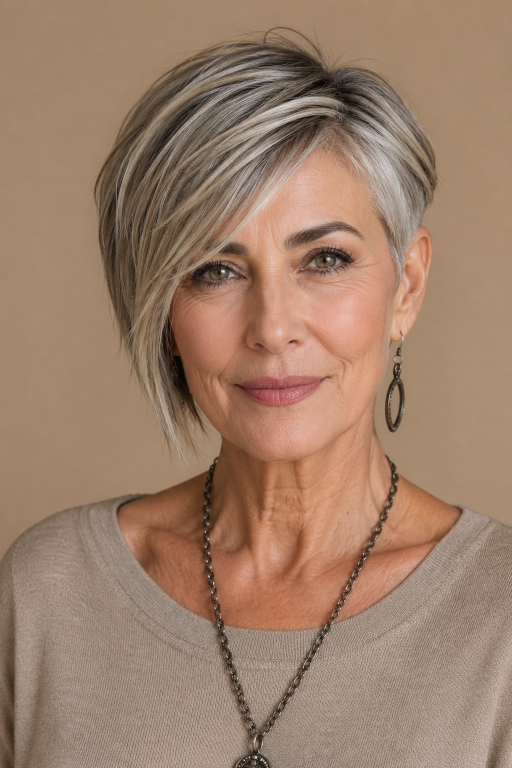
One side is noticeably longer than the other, creating a bold, modern silhouette. This cut works well for women who want something fresh without going too short. It suits oval and heart-shaped faces best and gives a confident, fashion-forward look. Styling involves smoothing one side while adding texture to the other.
7. Stacked Pixie Bob
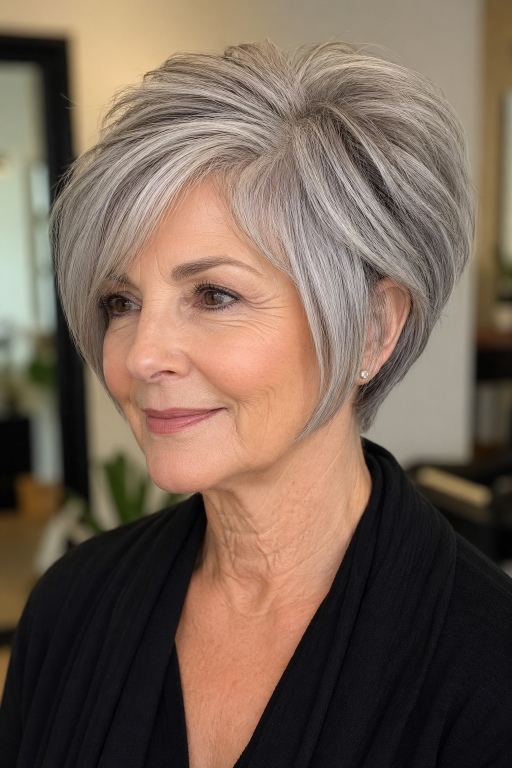
The back is cut in stacked layers to create volume at the crown, while the front remains longer. It’s perfect for fine or flat hair needing lift. This style flatters round faces by elongating them. It has a fuller, bouncy appearance but requires blow-drying to maintain its shape.
8. Soft Curved Pixie Bob
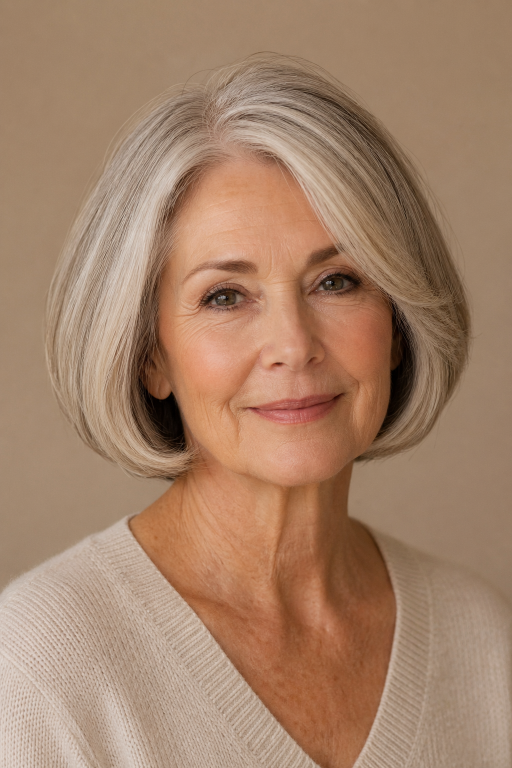
The ends are gently curved inward to follow the natural shape of the face. This creates a very soft and elegant silhouette. Ideal for mature women who want a classic look, it suits oval and heart-shaped faces. It requires a round brush during styling for that curved finish.
9. Choppy Pixie Bob
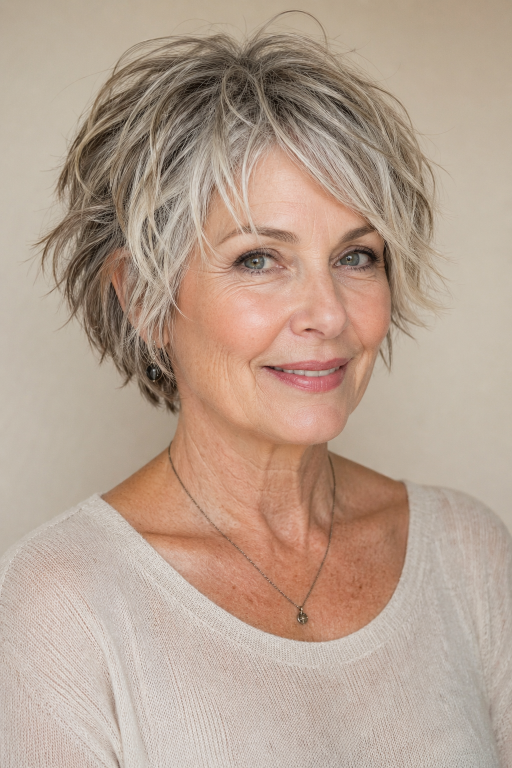
Defined by uneven, piecey layers, this cut adds texture and personality. It works best for medium to thick hair and helps reduce heaviness. Great for round or square faces, it adds movement and a playful edge. Styling is simple—just a bit of texturizing paste.
10. Wavy Pixie Bob
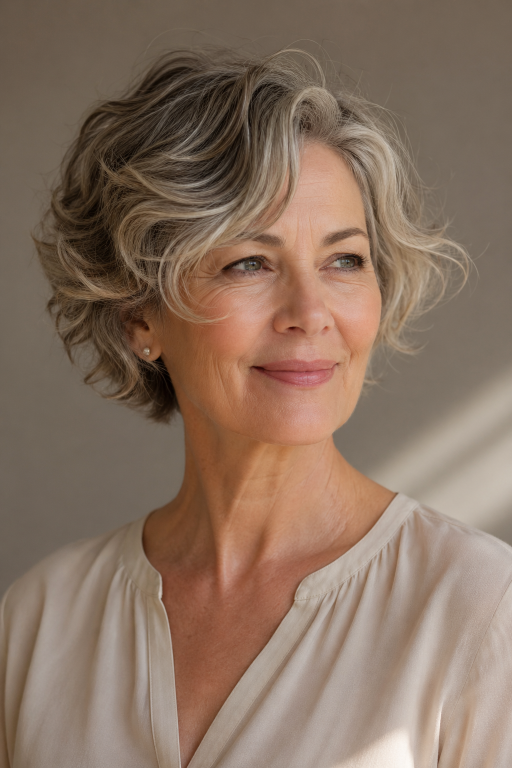
Designed to embrace natural waves, this style keeps layers slightly longer to enhance movement. It’s perfect for women with naturally wavy or slightly curly hair. It softens facial features and suits most face shapes. It has a relaxed, effortless feel and requires minimal styling.
11. Curly Pixie Bob
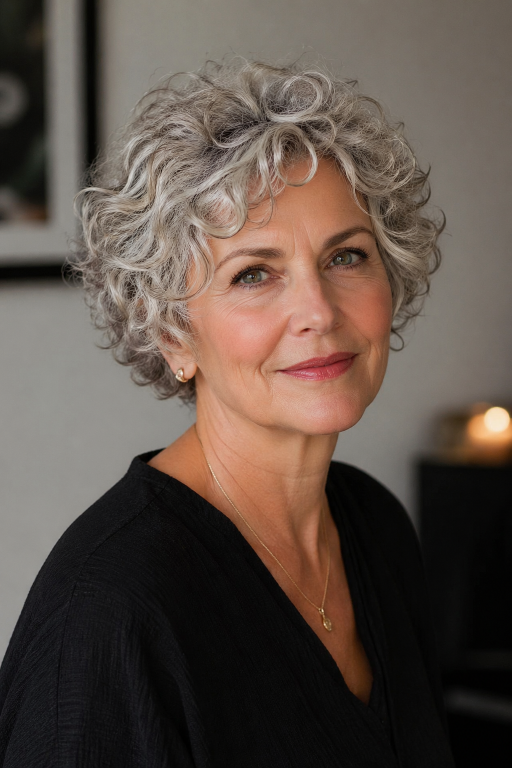
This version is tailored for natural curls, with layers that prevent bulk while maintaining shape. It works best for dense, curly hair and suits oval and heart-shaped faces. The look is lively and full of texture. Maintenance involves moisturizing products and occasional shaping trims.
12. Sleek Pixie Bob
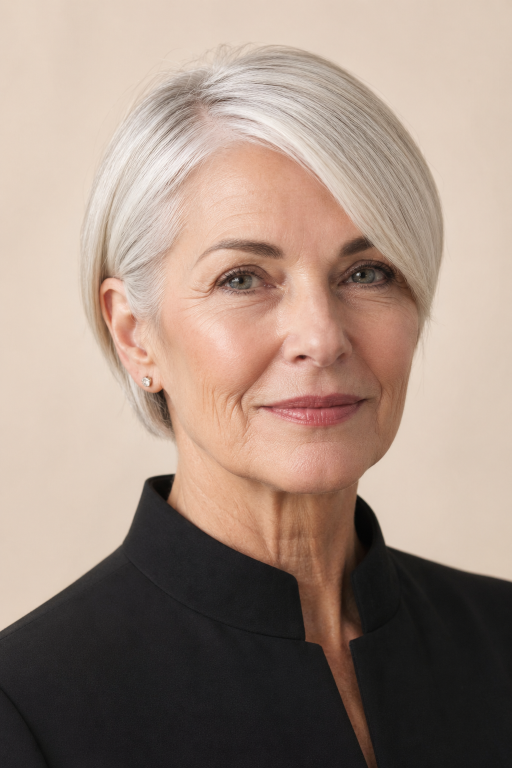
A smooth, polished version with minimal layers, often styled straight. It works best on fine to medium straight hair. This cut suits oval and long faces and gives a refined, elegant look. It requires regular blow-drying or flat ironing for a sleek finish.
13. Graduated Pixie Bob
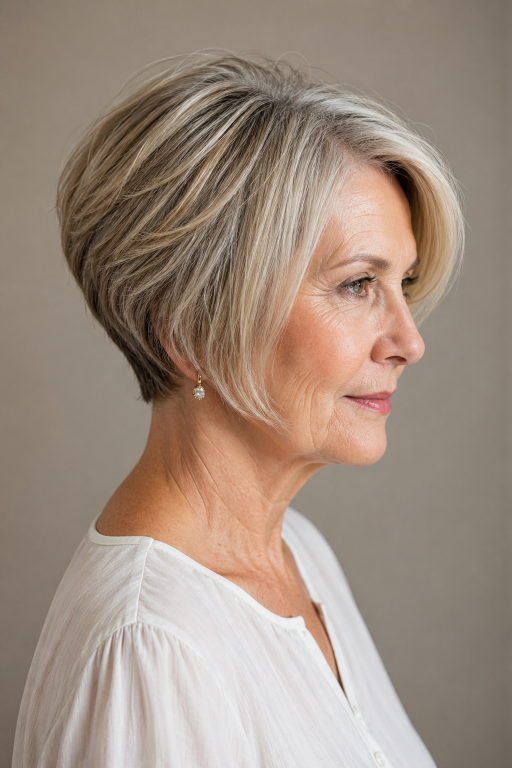
This cut gradually transitions from shorter layers at the back to longer layers in the front. It creates a natural lift and contour. Ideal for fine hair, it suits most face shapes. It gives a balanced, structured appearance and needs moderate styling.
14. Shaggy Pixie Bob
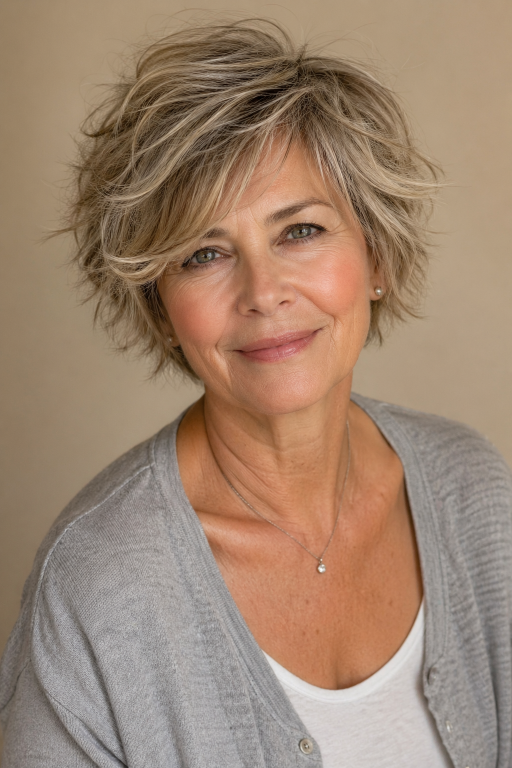
A relaxed, slightly messy version with lots of layers and texture. It’s perfect for adding volume to thin hair or reducing bulk in thick hair. It suits round and oval faces and gives a casual, youthful vibe. Styling is quick and forgiving.
15. Pixie Bob with Bangs
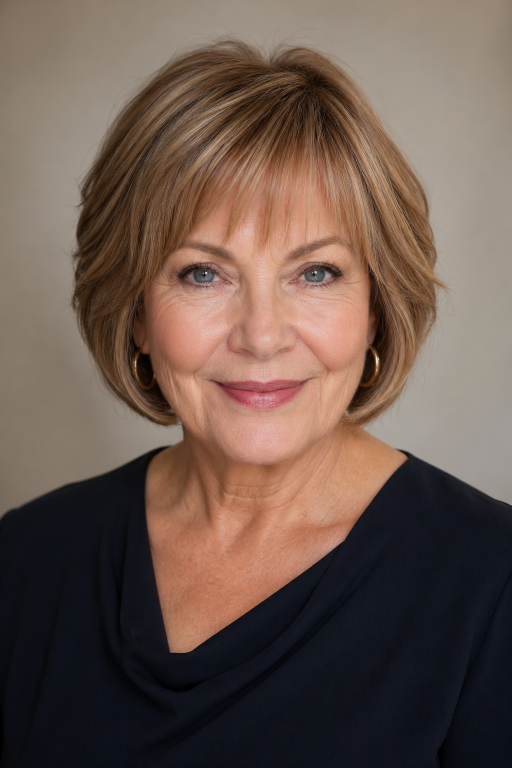
Adding bangs—whether blunt, wispy, or side-swept—can completely change the look. It frames the face and draws attention upward. Suitable for most face shapes depending on the bang style, it works with all hair types. Maintenance depends on how quickly your bangs grow.
16. Undercut Pixie Bob
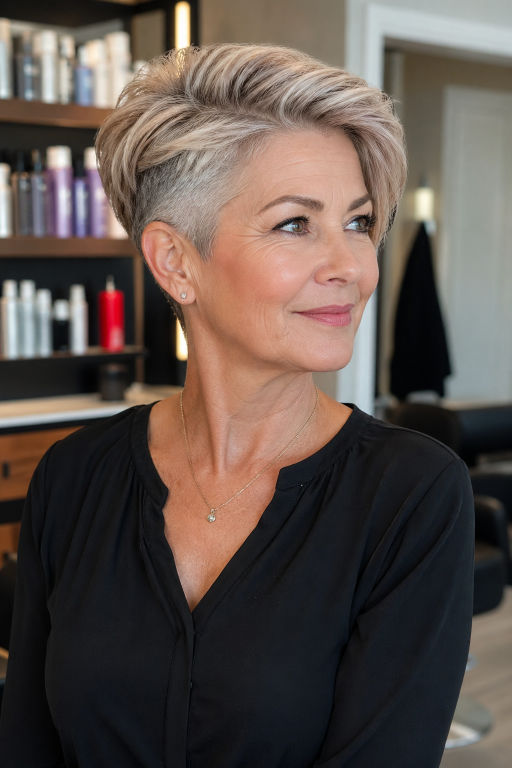
The lower section is cut shorter or shaved, while the top remains longer. This reduces bulk and adds contrast. Ideal for thick hair, it suits oval and heart-shaped faces. It gives a bold, modern edge but needs frequent upkeep.
17. Layered Pixie Bob with Volume Crown
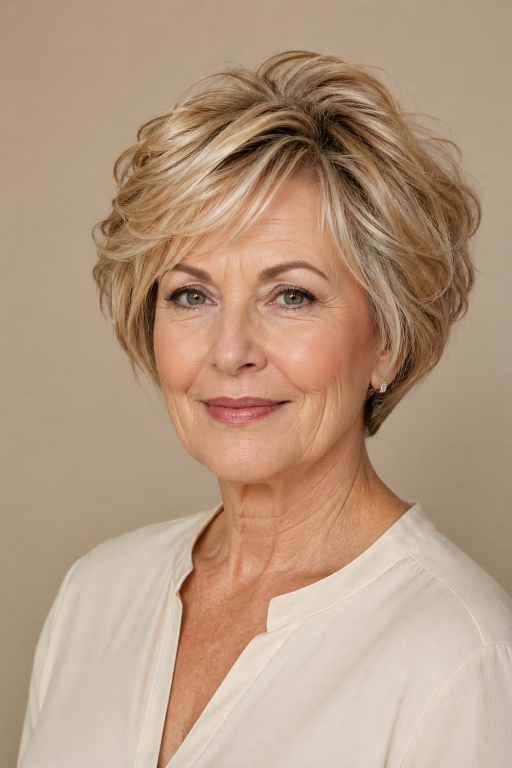
Extra layers are added at the crown to create height and lift. This is perfect for fine or thinning hair. It elongates round faces and adds a more youthful silhouette. Styling involves lifting at the roots with a blow dryer.
18. Long Front Pixie Bob
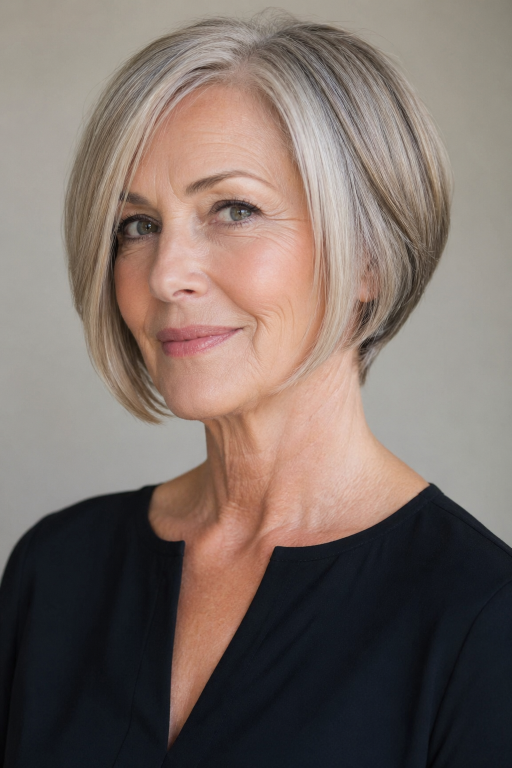
The front sections are left longer, almost grazing the jawline, while the back remains short. This creates a soft framing effect. It suits square and round faces and works well for straight to wavy hair. It’s versatile and easy to style.
19. Angled Pixie Bob

Cut at a noticeable angle from back to front, this style creates a sharp, defined shape. It’s ideal for adding structure to soft facial features. Best for straight or slightly wavy hair, it suits round faces well. It needs precise trimming to maintain the angle.
20. Tousled Pixie Bob
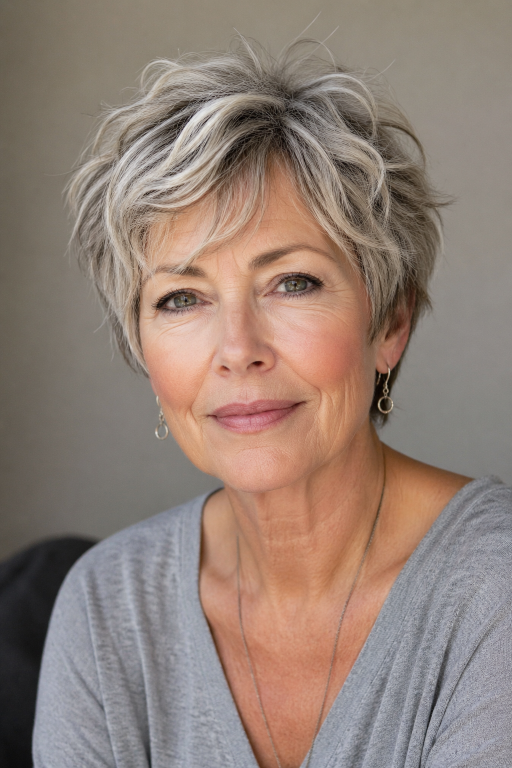
Styled with a slightly messy, windblown finish, this look is relaxed and modern. It works for all hair types and adds volume where needed. It suits most face shapes and requires minimal effort—just finger styling with a lightweight product.
21. Pixie Bob with Tapered Sides
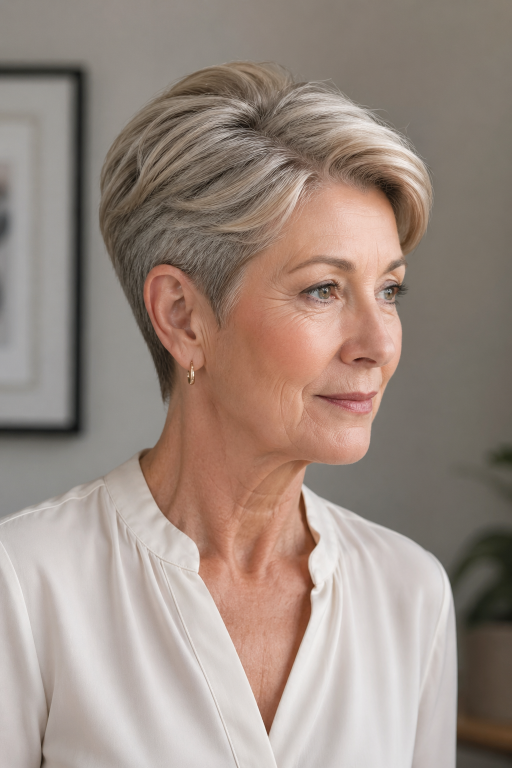
The sides are cut shorter and closer to the head, while the top remains fuller. This creates a slimming effect for the face. It’s great for thick hair and suits round or fuller face shapes. It looks neat and manageable.
22. Blunt Pixie Bob

The ends are cut straight across with minimal layering. This gives a clean, structured look. Best for fine hair, it creates the illusion of density. It suits oval and long faces and requires regular trims to keep the sharp edges.
23. Voluminous Pixie Bob

Designed to maximize fullness, this cut uses strategic layering and styling. It’s perfect for thinning hair and adds body throughout. It suits most face shapes and gives a lively, youthful appearance. Styling involves root-lifting products.
24. Pixie Bob with Wispy Ends

The ends are softly thinned out to create a light, delicate finish. It works well for medium to thick hair and softens facial features. It suits square and heart-shaped faces and gives a gentle, elegant look.
25. Low-Maintenance Natural Pixie Bob
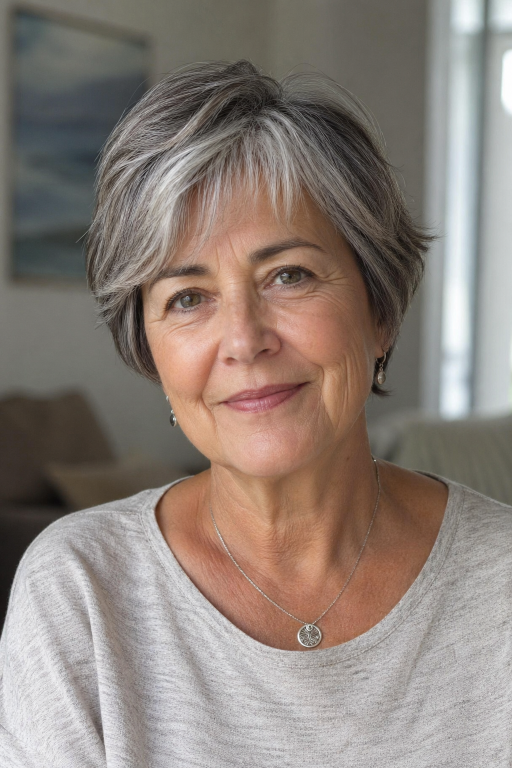
This version follows your natural hair texture with minimal shaping. It’s ideal for women who prefer easy styling. Suitable for all hair types, it adapts to your natural growth pattern. It offers a relaxed, effortless feel with minimal upkeep.
How to Choose the Right Pixie Bob Haircut
Choosing the right pixie bob depends on a few key factors. Your face shape matters—round faces benefit from height and angles, while square faces look softer with layers. Your hair type also plays a big role; fine hair needs volume, while thick hair benefits from thinning and layering. Consider your hair density, as heavier hair may need structure. Lastly, think about your lifestyle—if you prefer low maintenance, avoid styles that require daily heat styling.
Common Mistakes to Avoid
Many women go too short too quickly without considering face shape or comfort level. Another mistake is ignoring natural hair texture, which leads to difficult styling. Over-layering thin hair can make it look even finer. Skipping regular trims can ruin the shape, especially with structured cuts like pixie bobs.
Pro Tips
- Ask your stylist to customize the cut based on your hair growth pattern
- Use lightweight volumizing products instead of heavy creams
- Keep the neckline clean with regular trims every 4–6 weeks
- Add subtle highlights to enhance texture and dimension
- Invest in a good round brush for soft shaping
- Don’t be afraid to adjust the fringe—it makes a big difference
Conclusion
Pixie bob haircuts for older women offer a perfect mix of style, comfort, and versatility. The key is choosing a version that works with your natural hair and daily routine. When done right, it’s a flattering, confidence-boosting cut that feels both modern and easy to maintain.
FAQs
1. Is a pixie bob suitable for thinning hair?
Yes, especially styles with layers or volume at the crown, which create the illusion of fuller hair.
2. How often should I trim a pixie bob?
Every 4–6 weeks to maintain the shape and prevent it from growing out unevenly.
3. Can I style a pixie bob without heat tools?
Yes, many textured or natural versions look great with air-drying and light styling products.
4. Does a pixie bob make you look younger?
It can, especially when it adds volume, softens facial features, and frames the face well.
5. What face shape suits a pixie bob best?
Almost all face shapes can wear it, as long as the cut is tailored with the right length, layers, and fringe.