15 Low Taper Fade Fringe Hairstyles You Should Try
If you’ve ever struggled to find a haircut that looks clean on the sides but still gives you some personality up top, you’re not alone. A lot of men want structure without looking too sharp or overly styled. That’s exactly where low taper fade fringe hairstyles come in—they strike the perfect balance between neat and relaxed.
What Is a Low Taper Fade Fringe Hairstyle?
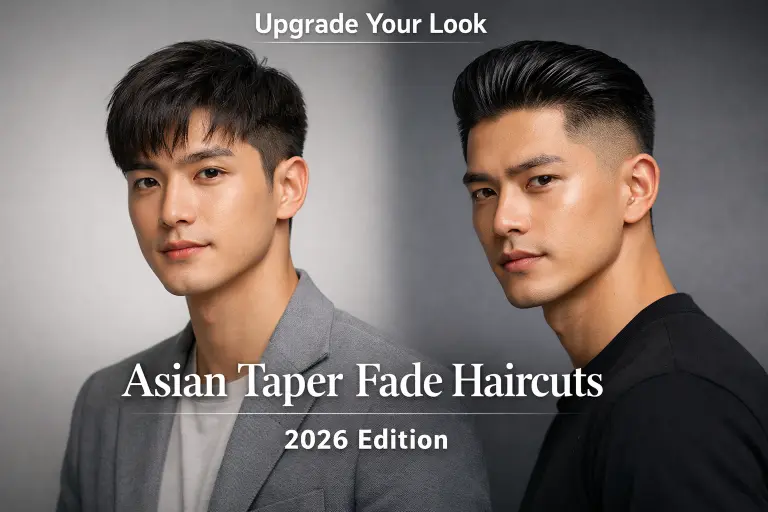
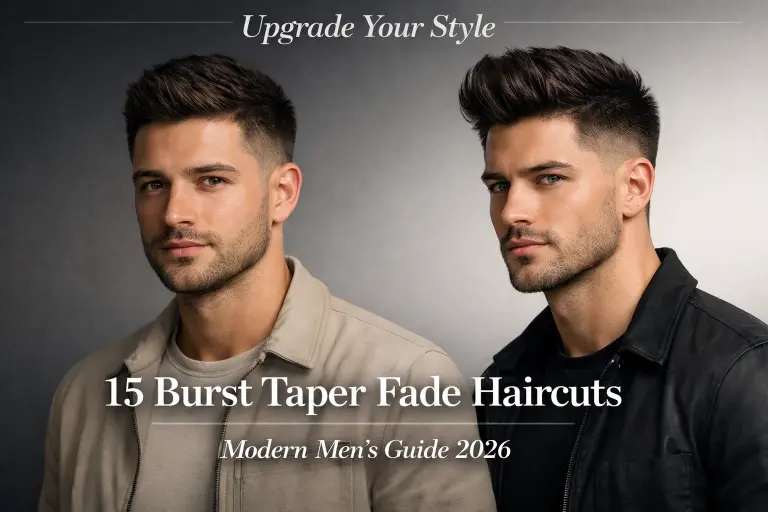
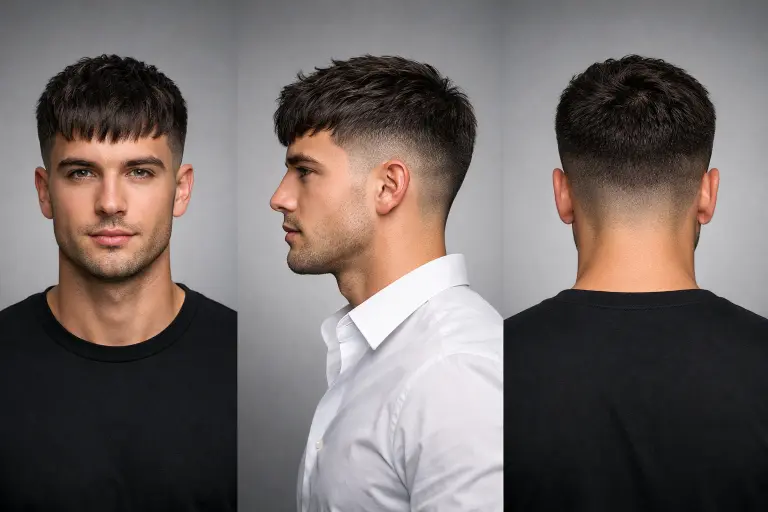
A low taper fade fringe hairstyle combines a gradual fade that starts low around the ears and neckline with longer hair at the front styled into a fringe. The result is a clean, subtle fade on the sides and back, while the fringe adds movement, texture, and character to the overall look.
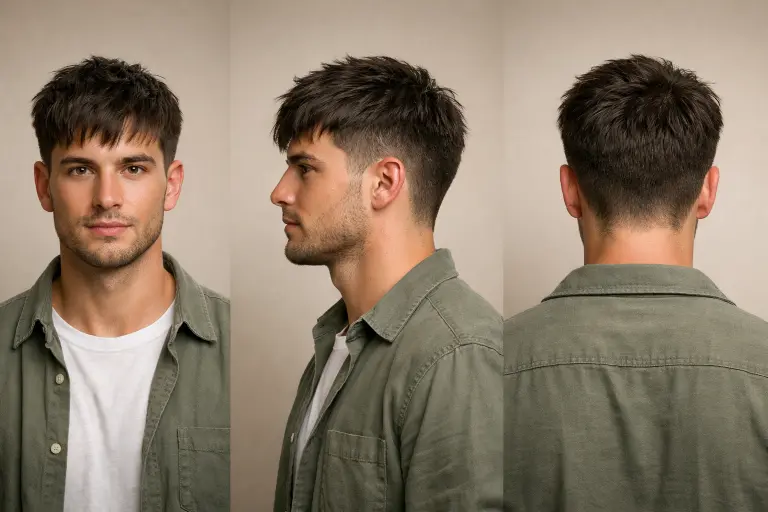
1. Textured Fringe with Low Taper Fade
This style features choppy, uneven layers at the front that create a naturally messy fringe, while the low taper keeps the sides clean without looking too tight. It works especially well for medium to thick hair and suits oval, square, or heart-shaped faces, giving a relaxed, modern vibe with minimal styling effort using a matte product.
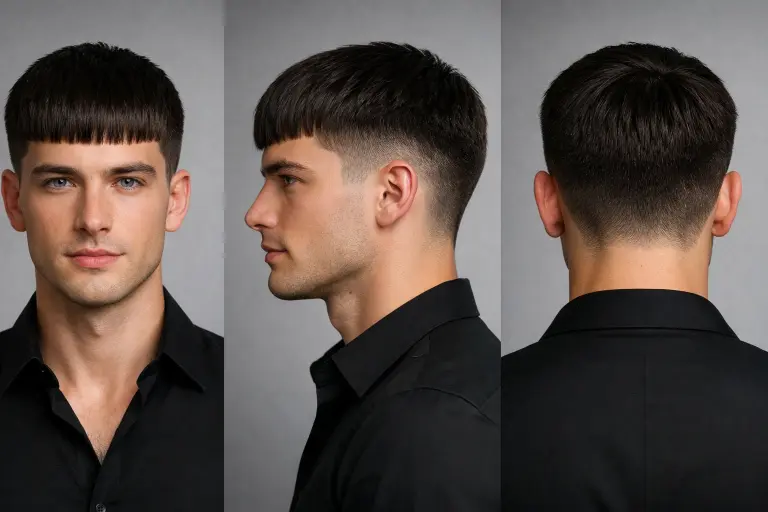
2. Straight Fringe with Clean Low Taper
Here, the fringe is cut straight across the forehead for a more structured, sharp look, and the low taper fade adds contrast without overpowering the top. Ideal for straight hair and angular face shapes, this style feels clean and intentional but requires regular trims to maintain its defined edge.
3. Curly Fringe with Low Taper Fade
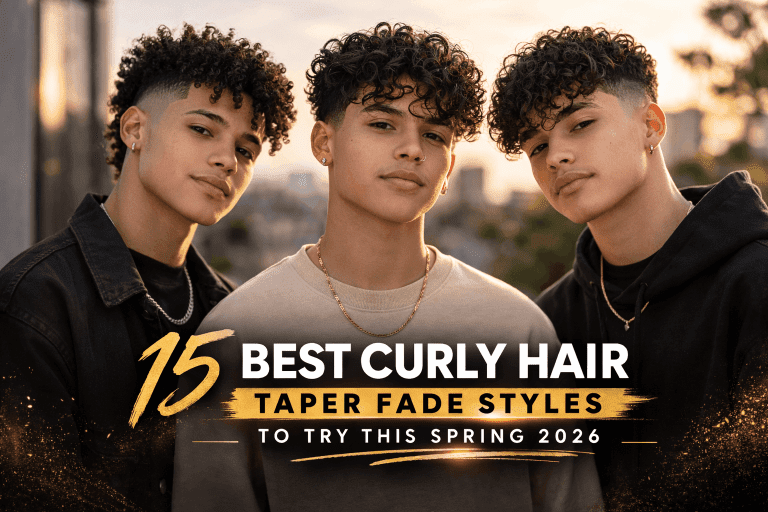
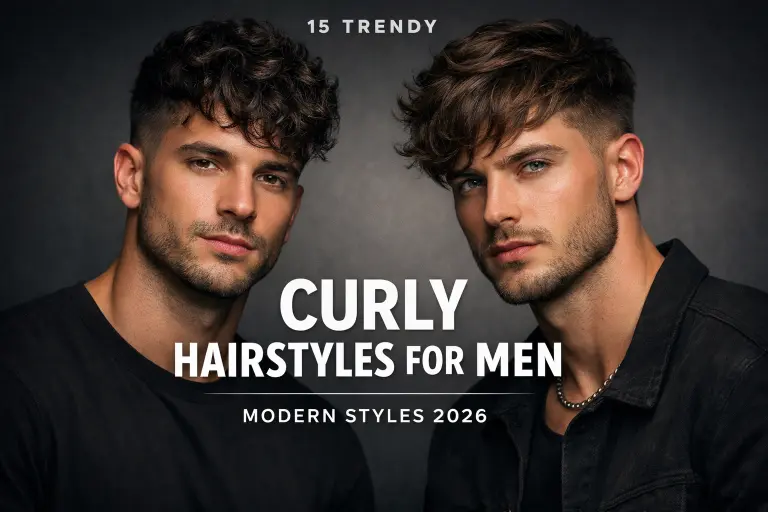
This version lets natural curls fall forward into a soft fringe while the low taper keeps everything tidy around the edges. It suits men with curly or wavy hair and works well on round or oval faces, offering an effortless look that benefits from curl-enhancing products for definition.
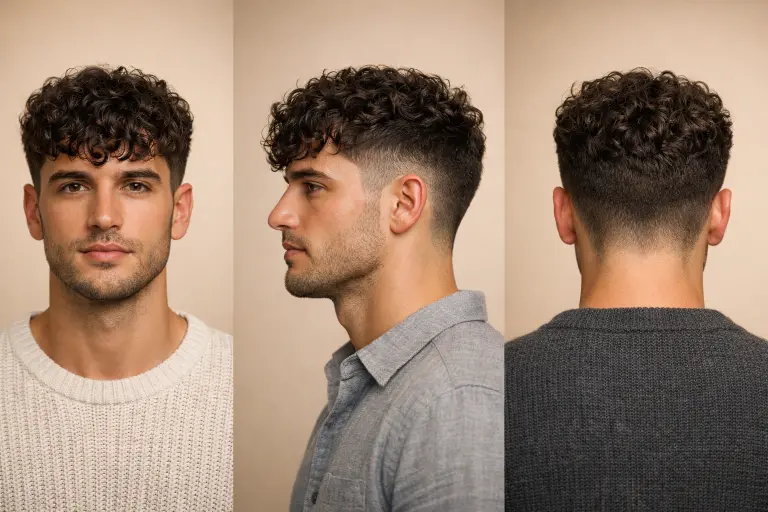
4. Messy Fringe with Low Taper
The fringe is styled loosely with no strict direction, creating a casual, undone appearance, while the low taper fade balances the messiness with neat sides. Great for thick or slightly wavy hair, it suits most face shapes and requires minimal effort with simple finger styling.
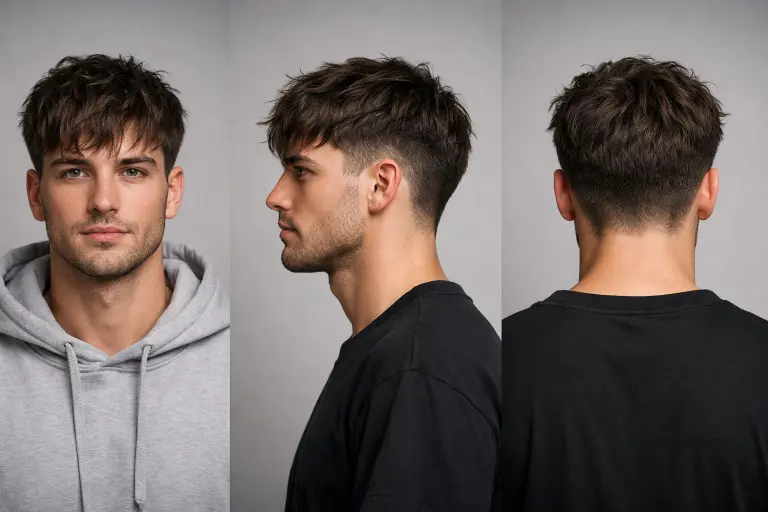
5. Side-Swept Fringe with Low Taper Fade
Instead of falling straight down, the fringe is brushed to one side to add movement and asymmetry, with the low taper providing a clean base. This works well for straight to wavy hair and complements round or square faces by adding angles, requiring light styling with a flexible product.
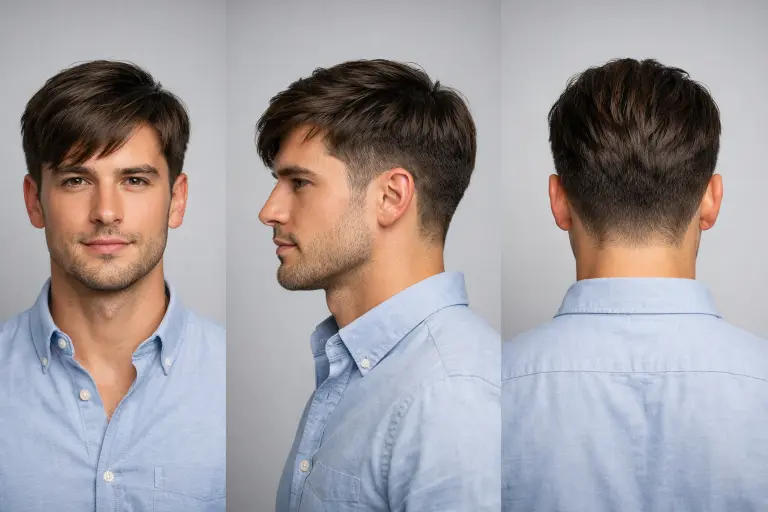
6. Long Fringe with Low Taper Fade
This style keeps the fringe longer, often reaching the eyebrows or beyond, creating contrast with the subtle taper and giving a laid-back, slightly edgy feel. Best for thicker hair and oval face shapes, it needs more maintenance to prevent it from becoming too heavy or obstructing vision.
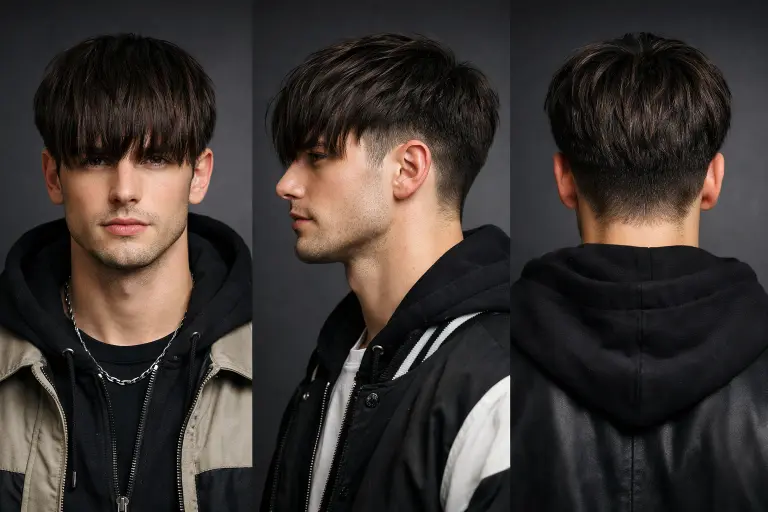
7. Short Fringe with Low Taper Fade
The fringe is cut short and sits above the eyebrows, offering a neat and compact look that pairs well with the clean taper. Ideal for fine to medium hair and smaller face shapes, this style is easy to maintain and requires very little daily styling.
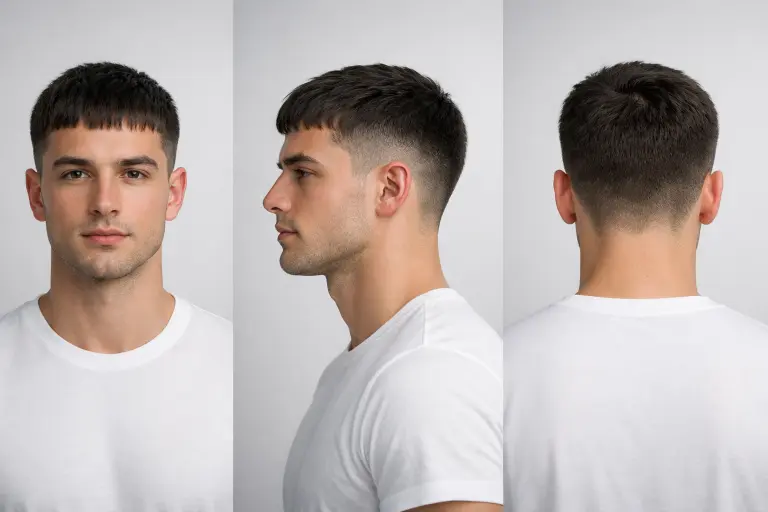
8. Choppy Fringe with Low Taper Fade
This version uses uneven, jagged cuts to create a broken, textured fringe that stands out, while the low taper adds structure. It works best on thick hair and suits angular or oval faces, delivering a slightly edgy look that benefits from texturizing products.
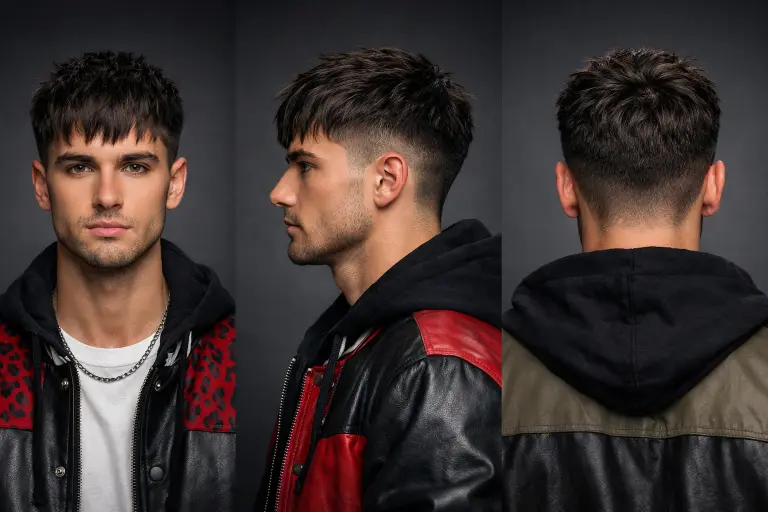
9. Layered Fringe with Low Taper Fade
The fringe is built with multiple layers to create depth and movement rather than a flat appearance, and the low taper enhances the clean finish. Suitable for most hair types, especially medium-density hair, it complements oval and round faces and is easy to style.
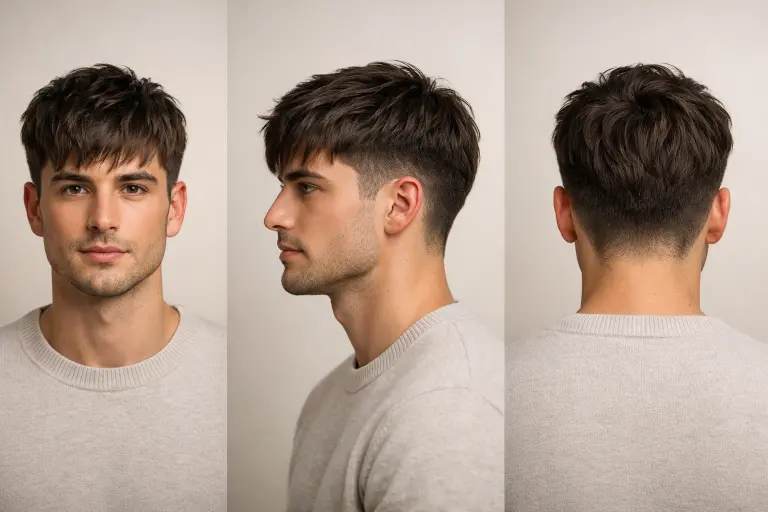
10. Wavy Fringe with Low Taper Fade
Natural waves are left to fall forward, forming a soft and flowing fringe, while the low taper keeps the sides tidy without interrupting texture. This style suits wavy hair and works well on square or heart-shaped faces, giving a relaxed, natural look with minimal styling.
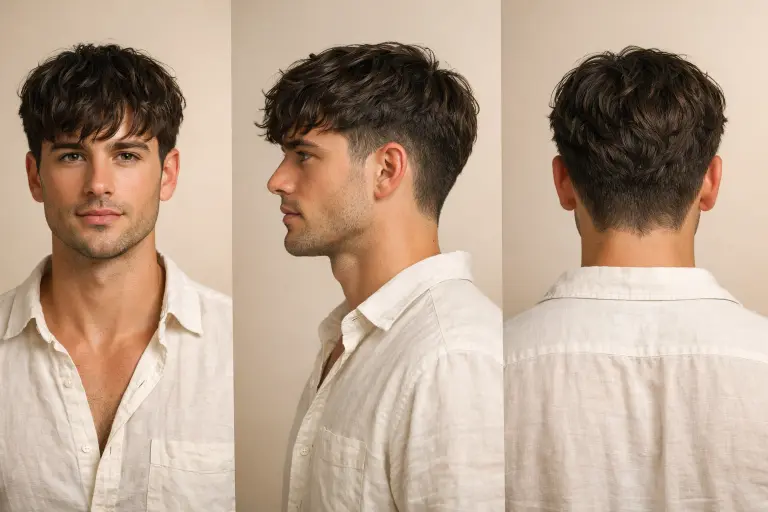
11. Blunt Fringe with Low Taper Fade
A blunt fringe is cut thick and straight with no layering, creating a bold and defined appearance, while the low taper prevents it from looking too heavy. Best for thick, straight hair and longer face shapes, it requires regular trims to maintain its sharp line.
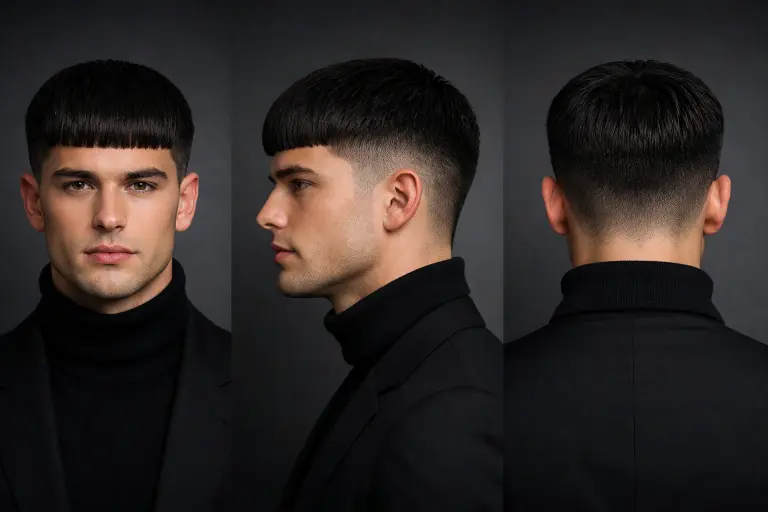
12. Fringe with Low Taper and Mid-Length Top
The fringe blends into a slightly longer top, allowing flexibility to wear it forward or pushed back, with the low taper keeping the edges clean. Ideal for medium to thick hair, it suits most face shapes and offers versatility for both casual and polished looks.
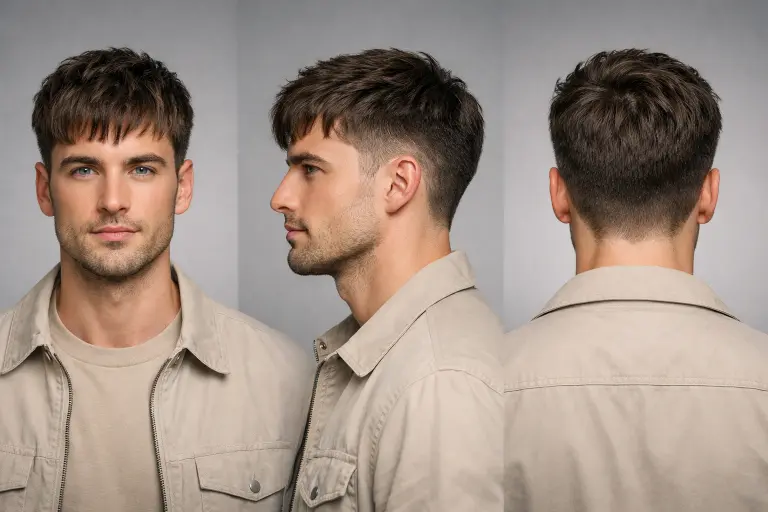
13. Disconnected Fringe with Low Taper Fade
This style creates a noticeable contrast between the longer fringe and shorter sides, while the low taper softens the transition near the ears. Best for thick hair and confident styling, it suits oval or square faces and delivers a bold, modern appearance.
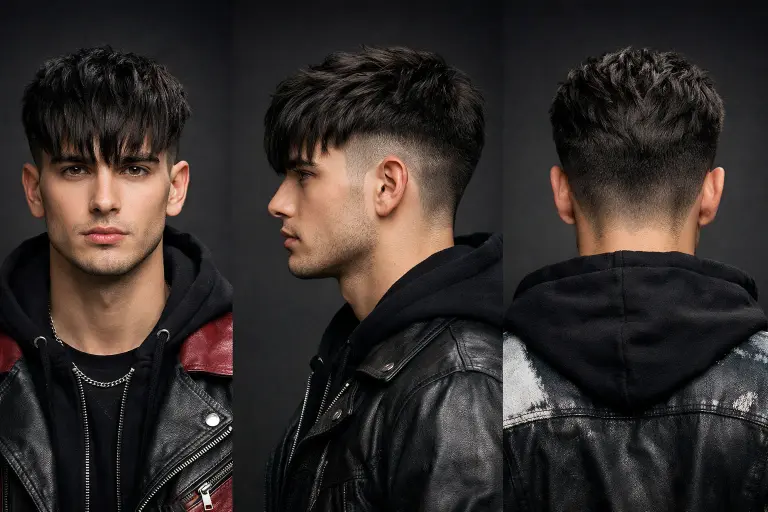
14. Soft Fringe with Low Taper Fade
The fringe is lightly feathered and blended for a natural, understated finish, and the low taper complements this softness without harsh lines. It works well for fine to medium hair and suits most face shapes, making it an easy everyday option.
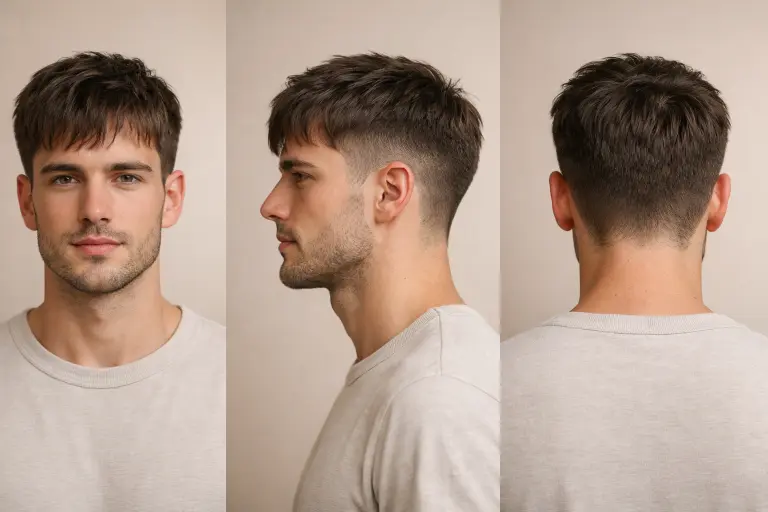
15. Fringe with Low Taper and Skin Fade Edge
This variation keeps the taper low but fades the edges down to the skin for a sharper outline, while the fringe remains the focal point. It suits most hair types and gives a polished finish, though it requires more frequent touch-ups.
How to Choose the Right Hairstyle
Choosing the right low taper fade fringe depends on your face shape, hair type, density, and lifestyle, as round faces benefit from angled or side-swept fringes, longer faces suit fuller fringes, straight hair works best with structured styles, wavy or curly hair pairs better with textured fringes, thick hair can handle heavier styles, fine hair needs lighter cuts, and your daily routine should determine how much styling effort you’re willing to invest.
Common Mistakes to Avoid
Many people choose a fringe that doesn’t match their natural hair texture, go too heavy without considering face shape, skip regular trims, overuse styling products making the hair greasy, or fail to properly blend the taper with the top, all of which can ruin the overall look.
Pro Tips
Ask your barber to adjust fringe length based on your forehead, use matte products for a natural finish, blow-dry your fringe forward for better shape, maintain the taper every 2–3 weeks, and choose lightweight products if you have fine hair to avoid flattening.
Conclusion
Low taper fade fringe hairstyles offer a clean yet expressive look that works for almost any man, and the key is choosing a version that matches your hair type and lifestyle so you can maintain it easily and wear it with confidence.
FAQs
1. How often should I trim a low taper fade fringe? Every 2–4 weeks is ideal to keep the style sharp.
2. Is a fringe suitable for thinning hair? Yes, but shorter and lighter fringes work best.
3. Can I style a fringe without heat tools? Yes, especially with textured or messy styles using light products.
4. Does a low taper fade suit all face shapes? Yes, as long as the fringe is adjusted accordingly.
5. What product is best for fringe hairstyles? Matte clay or cream works best for a natural finish.