20 Ivy League Haircuts for Men That Never Go Out of Style
Finding a haircut that looks polished without feeling overly formal can be frustrating. Some styles require too much daily styling, while others lose shape after just a couple of weeks. That’s exactly why the Ivy League haircut has stayed relevant for decades. It’s clean, adaptable, and works in almost every setting—from the office to casual weekends.
Whether you prefer a classic side-parted look or something more modern with texture and tapering, these Ivy League haircuts for men offer timeless options that are easy to wear and easy to maintain.
What Is an Ivy League Haircut?
The Ivy League haircut is a refined variation of the crew cut where the hair on top is left slightly longer, allowing it to be side-parted or styled neatly. It combines the clean structure of short hair with enough length for versatility, making it one of the most balanced and professional men’s hairstyles.
1. Classic Ivy League Haircut
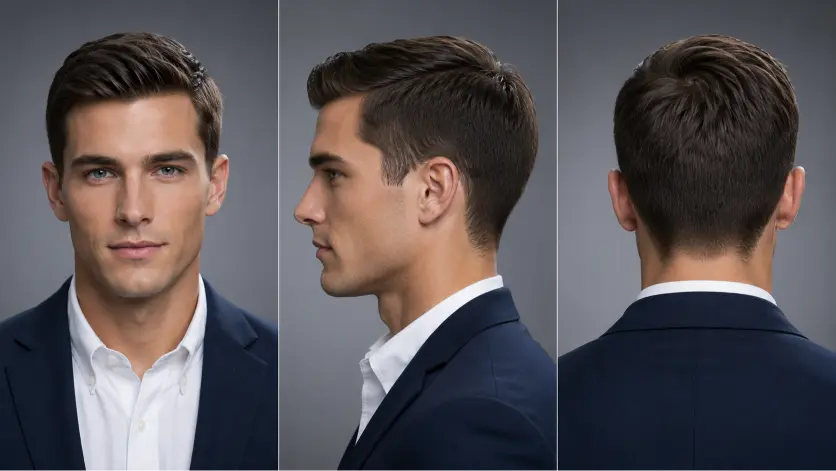
The classic Ivy League haircut keeps the sides short and tapered while leaving enough length on top to create a clean side part. The top is usually scissor-cut instead of clipped too short, which gives the hairstyle a softer and more natural finish. This version works especially well for men who want a polished appearance without looking overly strict or military-inspired.
It suits oval, square, and rectangular face shapes best because the balanced proportions keep the face looking structured without adding unnecessary height. Straight or slightly wavy hair holds the shape most naturally. The overall vibe is sharp, educated, and professional, making it ideal for office settings, interviews, or men who prefer timeless grooming over trend-driven cuts.
Maintenance is fairly low. A small amount of matte pomade or light cream is enough to keep the side part neat throughout the day.
2. Textured Ivy League
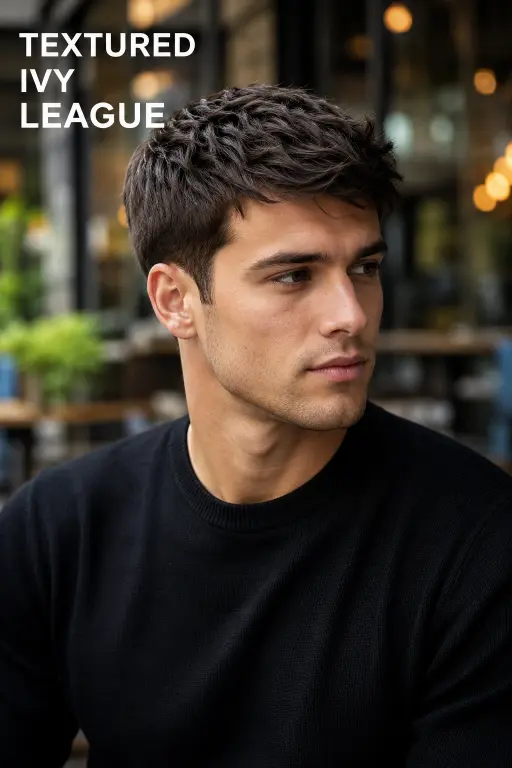
The textured Ivy League gives the traditional cut a more relaxed and modern appearance by adding choppy layers and movement through the top. Instead of a sleek side part, the hair is styled with a natural, slightly messy finish.
This version is excellent for men with thick hair because the texture removes bulk and prevents the haircut from looking too stiff. It complements round and oval face shapes particularly well since the added texture creates more dimension and vertical balance. The hairstyle feels younger and less formal than the classic version while still looking clean and intentional.
It requires medium maintenance since textured styles look best with sea salt spray or matte clay worked through dry hair.
3. Ivy League With Low Taper Fade
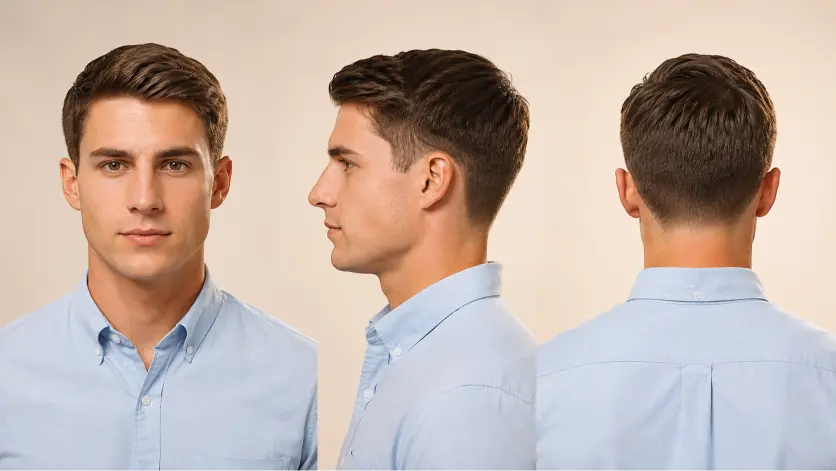
This haircut blends the traditional Ivy League top with a subtle low taper fade around the ears and neckline. The fade keeps the haircut crisp without creating too much contrast, so the overall style still feels classic.
Men who want a clean-cut hairstyle that grows out naturally usually prefer this option. It works well on straight, wavy, and dense hair types. The low taper also softens sharper jawlines, making it a good match for square and diamond face shapes.
The style gives off a neat, approachable appearance and requires only minimal styling effort beyond occasional trimming to maintain the taper.
4. Side-Part Ivy League
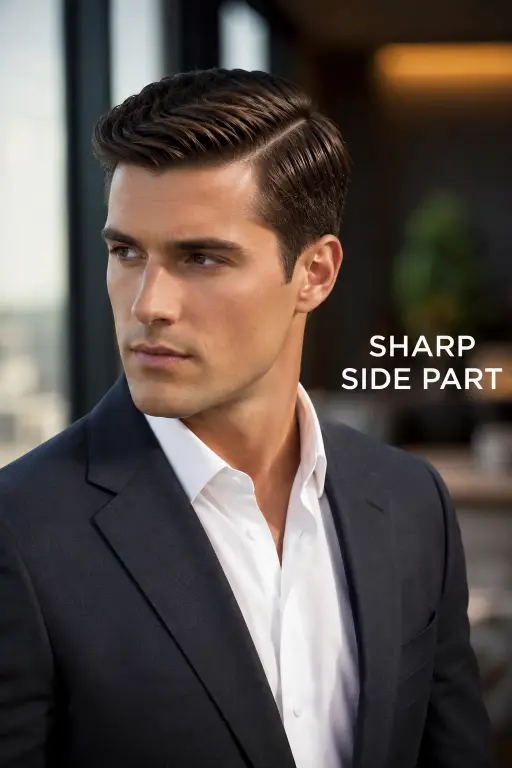
The side-part Ivy League focuses heavily on structure and clean lines. The part is more defined than in traditional versions, giving the haircut a sharper and more executive appearance.
This haircut suits professionals who wear suits regularly or prefer a very put-together image. Fine to medium hair textures work especially well because they hold the part neatly without too much volume. Oval and rectangular face shapes benefit most from the balanced proportions.
A lightweight pomade with a slight shine helps keep the part visible and controlled throughout the day.
5. Ivy League With Mid Fade
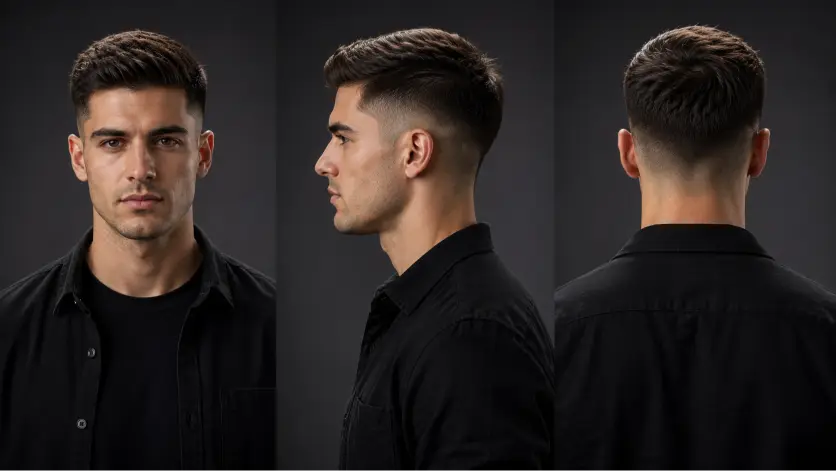
The mid fade introduces more contrast between the top and sides, giving the Ivy League a cleaner and slightly more modern edge. The fade starts around the temple area, which draws more attention upward toward the styled top.
This version is ideal for men with thick or coarse hair because the shorter sides remove excess heaviness. It also works well for round faces by visually elongating the head shape. The haircut feels sharp and confident without becoming overly trendy.
Maintenance is moderate since the fade needs regular touch-ups to stay crisp.
6. Curly Ivy League
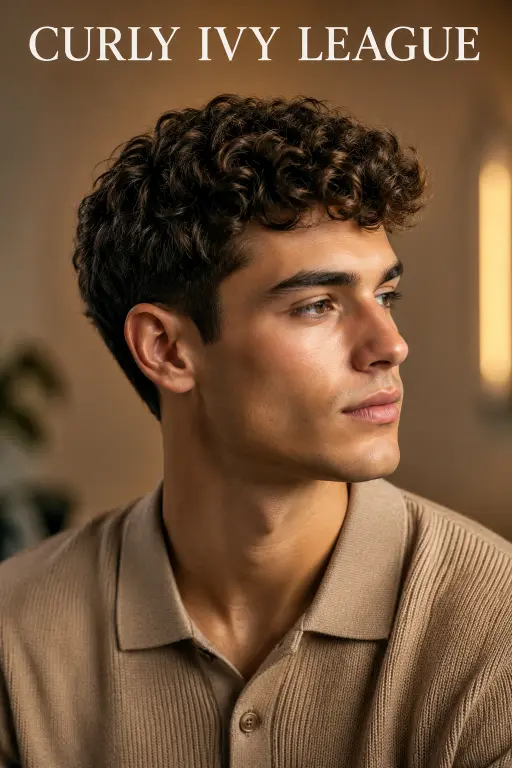
The curly Ivy League keeps the sides controlled while allowing natural curls to remain visible on top. Instead of forcing curls flat, this haircut uses the texture to create volume and personality.
Men with naturally curly or wavy hair often struggle with short haircuts that puff out awkwardly. This version avoids that problem by keeping enough length on top for the curls to form naturally. It suits oval, heart, and square face shapes especially well.
The overall look feels smart but relaxed. Curl cream or leave-in conditioner usually provides enough styling support without making the curls stiff.
7. Ivy League With Hard Part
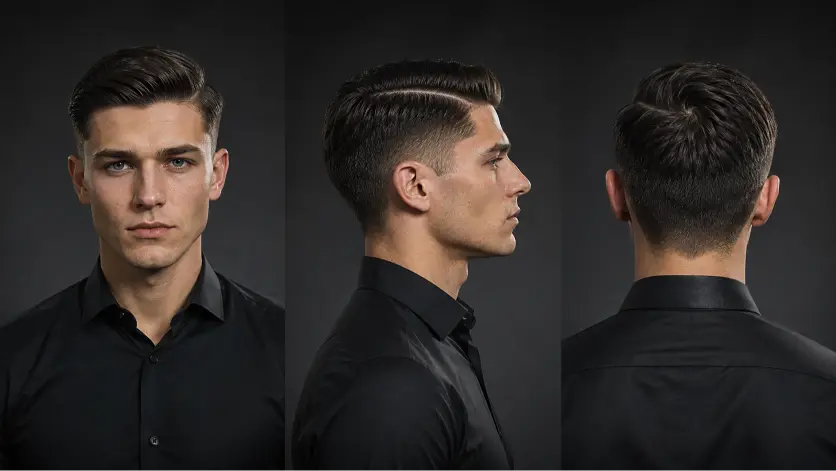
A hard part adds a shaved line along the natural side part, creating a more defined and structured appearance. This detail instantly makes the haircut look sharper and more modern.
It works best for men with straight or thick hair because the contrast becomes more visible. Square and oval faces carry this style particularly well since the clean lines complement angular features.
This haircut gives off a disciplined, polished vibe and is popular among men who like very clean grooming. The hard part does require frequent barber visits to stay visible.
8. Long Ivy League Haircut
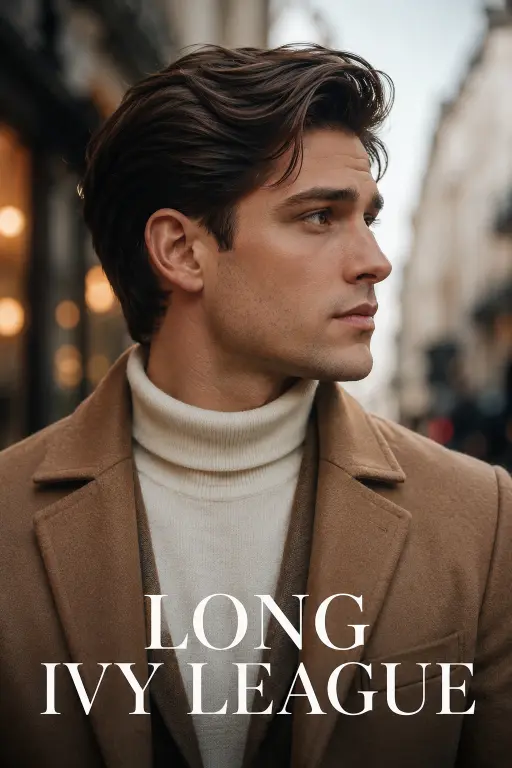
The long Ivy League leaves significantly more length on top, allowing for side-swept styling or even a loose quiff effect while still keeping the sides tapered and tidy.
This is a strong option for men who want versatility without growing full medium-length hair. Thick straight hair works exceptionally well because it can hold shape without collapsing. Oblong and rectangular faces benefit from the softer top length, which reduces excessive vertical emphasis.
It requires more styling time than shorter versions but offers more flexibility in appearance.
9. Ivy League Crew Cut Hybrid
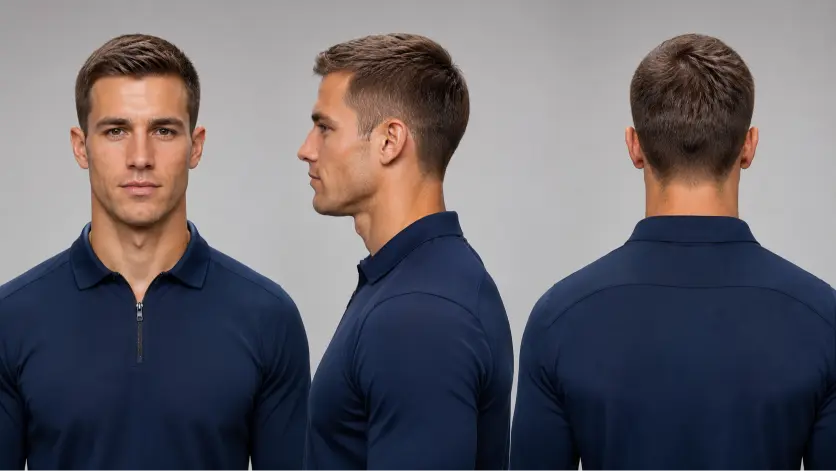
This haircut blends the clean simplicity of a crew cut with the slightly longer styling options of an Ivy League. The top remains short but still long enough for subtle direction and texture.
Men who want extremely low-maintenance grooming usually prefer this variation. It suits active lifestyles, athletes, and men who don’t want to spend time styling every morning. Round and oval faces pair nicely with the balanced proportions.
The overall appearance is masculine, clean, and practical.
10. Ivy League With Skin Fade
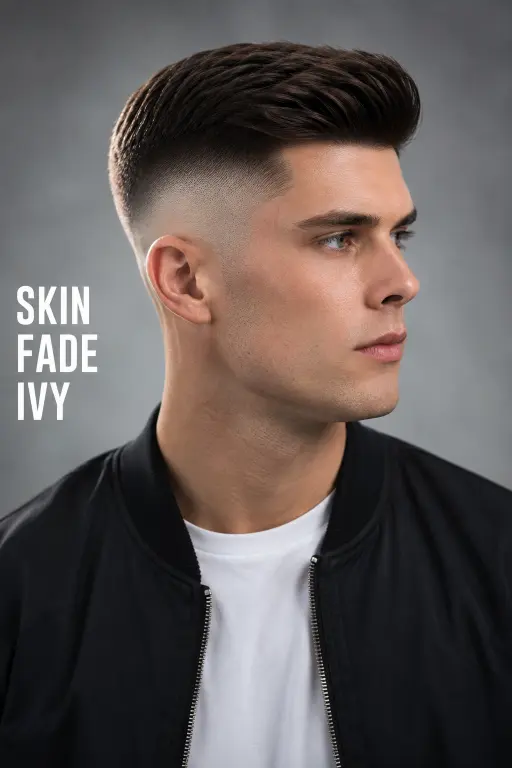
The skin fade version creates the strongest contrast by fading the sides all the way down to the skin. Combined with the refined top, it creates a modern barbershop look while preserving the Ivy League structure.
This haircut suits younger men or those who prefer sharper styling. Thick hair types benefit most because the contrast highlights the fuller top section. Square and round faces both work well with this style.
The haircut looks very fresh when newly cut, but the fade requires regular upkeep every two to three weeks.
11. Wavy Ivy League
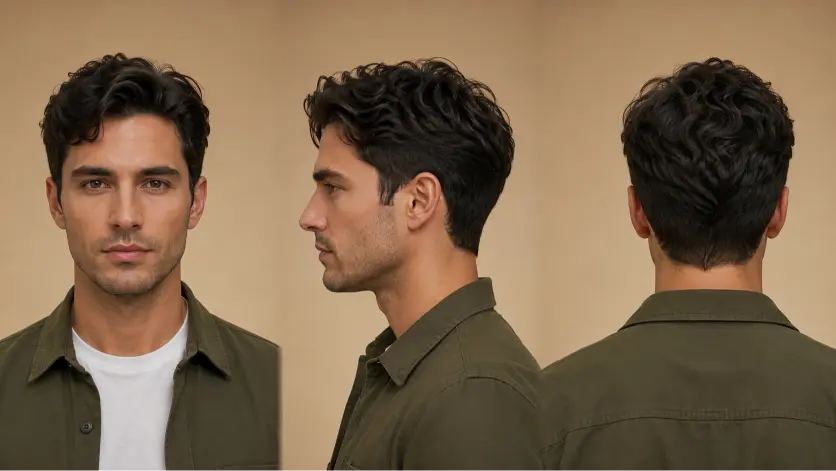
The wavy Ivy League embraces natural movement instead of forcing the hair completely flat. The top is layered lightly so the waves flow naturally while the sides stay neat and tapered.
This hairstyle works best for men with naturally loose waves and medium-density hair. It softens angular facial features and complements square, oval, and heart-shaped faces particularly well.
The result feels effortless, mature, and less rigid than highly structured cuts.
12. Ivy League With Brush-Up Front
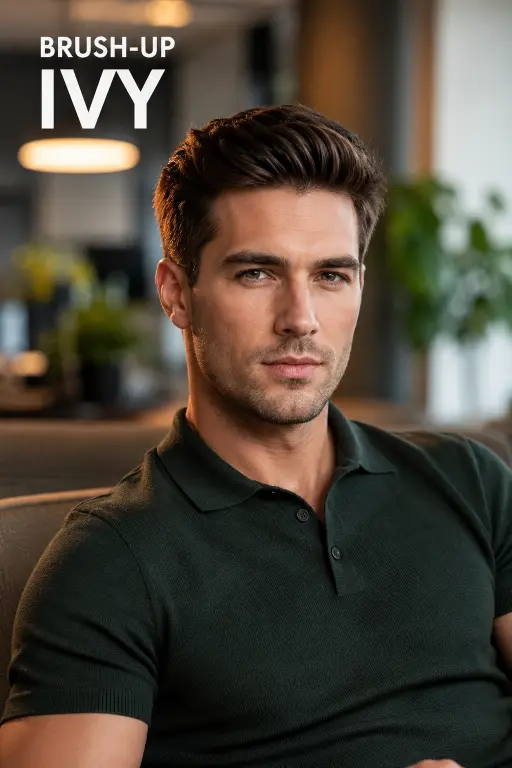
This version styles the front section upward slightly while keeping the rest of the haircut neat and controlled. It adds subtle height without turning into a full pompadour.
Men with round or shorter face shapes benefit most because the lifted front creates visual length. Medium to thick hair textures hold the shape best. The style feels energetic and confident while still remaining professional enough for work environments.
A matte styling clay usually provides the right amount of hold without making the hair overly shiny.
13. Ivy League With Tapered Neckline
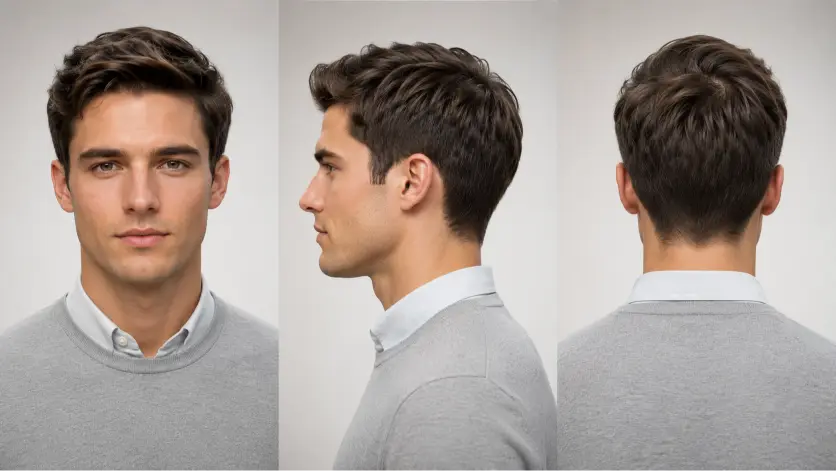
Instead of a harsh blocked neckline, this haircut uses a gradual taper at the back for a softer and more natural finish. It gives the haircut a cleaner grow-out phase.
This is ideal for men who prefer understated grooming details. It works well with almost every hair type and face shape because the taper creates smooth transitions rather than sharp lines.
The style feels refined without appearing overly styled.
14. Ivy League Comb Over
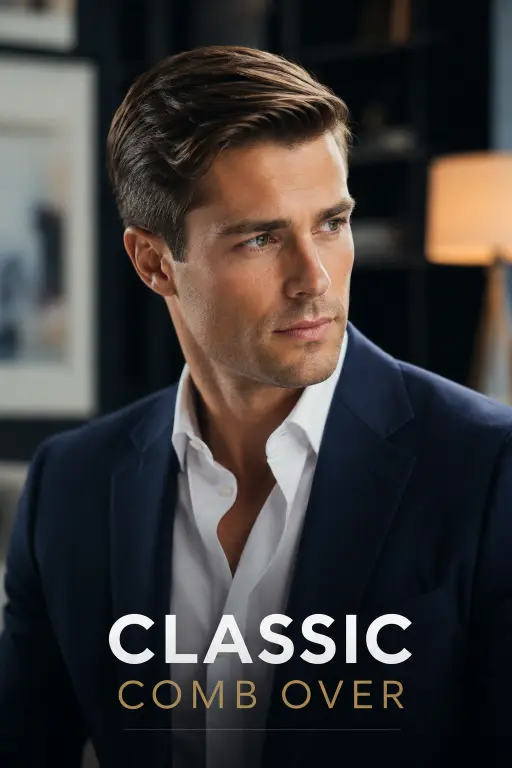
The comb-over Ivy League keeps moderate top length and sweeps the hair neatly to one side for a controlled and elegant finish.
Unlike dramatic modern comb-overs, this version remains subtle and classic. It works especially well for men with thinning hair because the directional styling creates fuller visual density. Oval and rectangular faces carry this haircut particularly well.
It gives a mature, executive-style appearance and requires moderate styling effort each morning.
15. Ivy League With Natural Finish
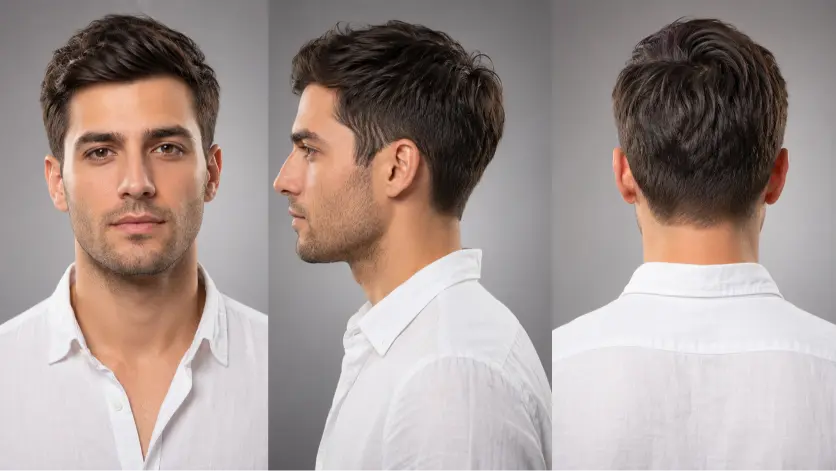
This haircut avoids heavy products and rigid styling, focusing instead on clean cutting and natural movement. The top remains lightly textured while the sides stay softly tapered.
It’s perfect for men who dislike overly polished hairstyles or stiff pomades. Straight, wavy, and fine hair all work well here. The look feels approachable, modern, and effortless.
Maintenance is minimal since the style intentionally embraces a relaxed finish.
16. Short Ivy League Fade
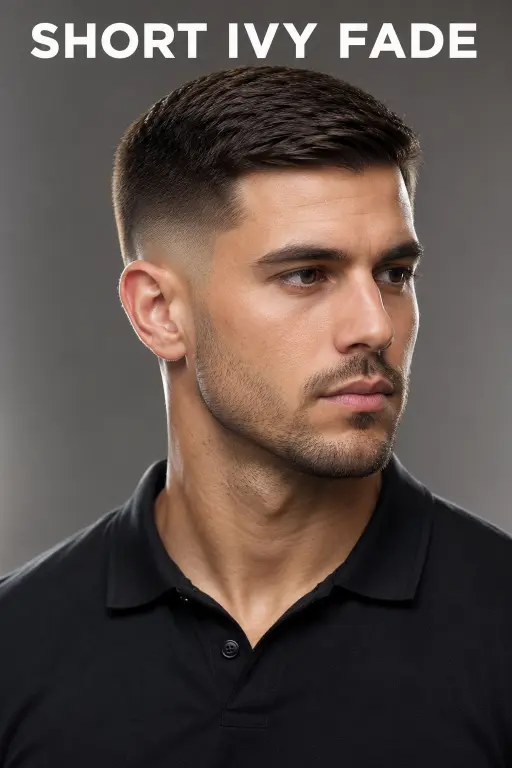
The short Ivy League fade keeps everything tighter and more compact while still maintaining enough top length for slight styling. It’s one of the easiest versions to maintain.
This haircut suits busy professionals, students, and men who want a consistently clean appearance without daily effort. Round and square face shapes benefit from the structured top and faded sides.
The haircut stays neat for weeks and only needs a small amount of product if any.
17. Ivy League With Thick Top
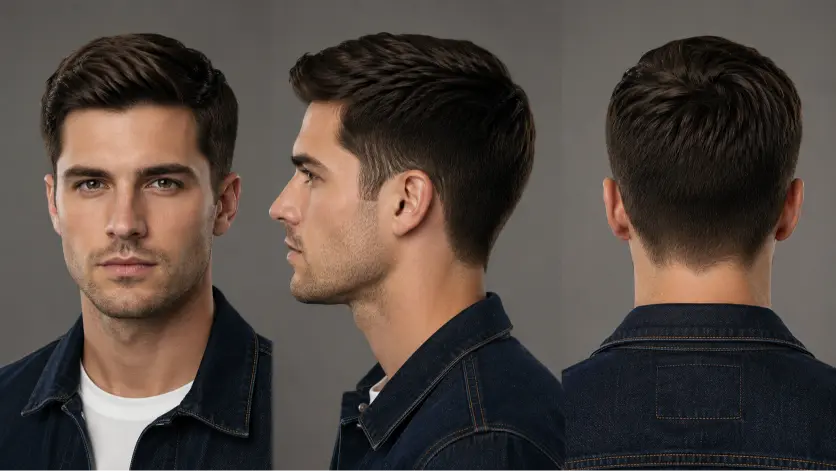
This variation leaves noticeable density on top while the sides are cleaned up with tapering or fading. The extra thickness creates a fuller and more substantial silhouette.
Men with naturally dense hair benefit most because the haircut uses volume as a feature rather than trying to flatten it. It complements longer face shapes well by adding width and balance.
The hairstyle feels masculine and strong while still staying polished.
18. Ivy League With Matte Texture
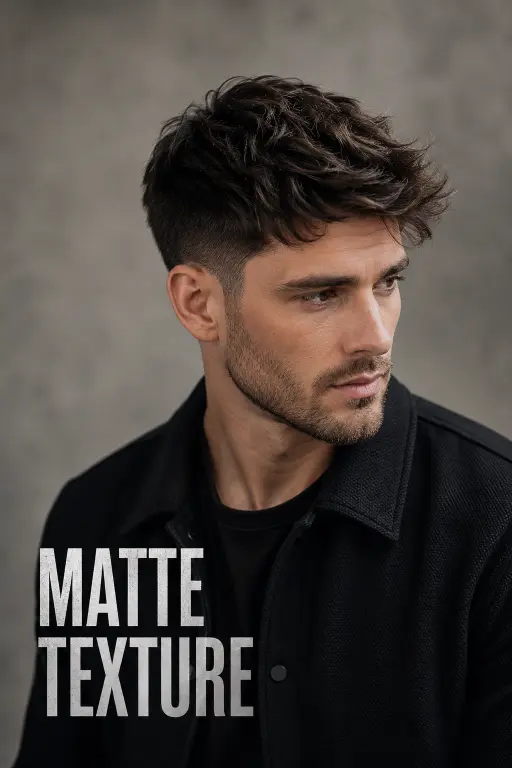
This modern version focuses on dry texture instead of shiny finishes. Matte products create separation and movement while preserving a natural appearance.
It works especially well for younger men who want the Ivy League structure without looking overly formal. Thick, coarse, and wavy hair all respond well to matte styling products. Oval and round faces benefit from the added texture and shape.
The vibe is casual, contemporary, and versatile.
19. Ivy League With Soft Side Sweep
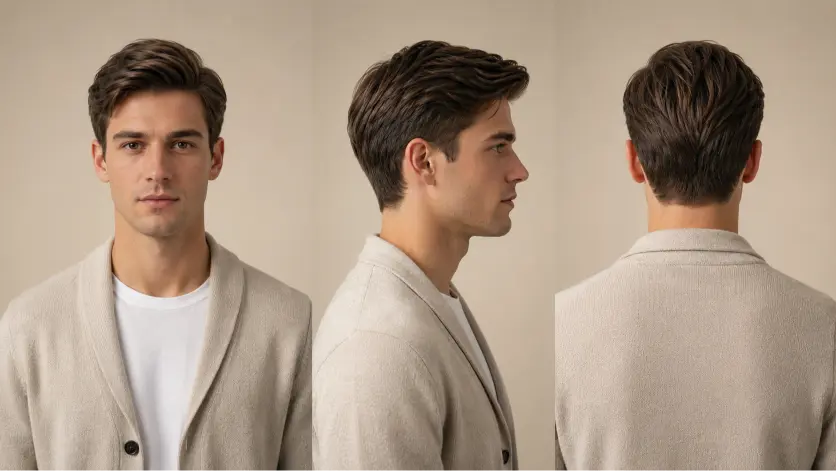
Instead of a rigid side part, this haircut uses a gentle side sweep that looks more relaxed and natural. The top remains medium length with soft layering throughout.
This is a strong option for men who want a classic haircut that doesn’t feel overly strict or old-fashioned. It suits fine to medium hair textures and works especially well on oval and heart-shaped faces.
The softer styling creates a friendly and approachable appearance.
20. Modern Ivy League Haircut
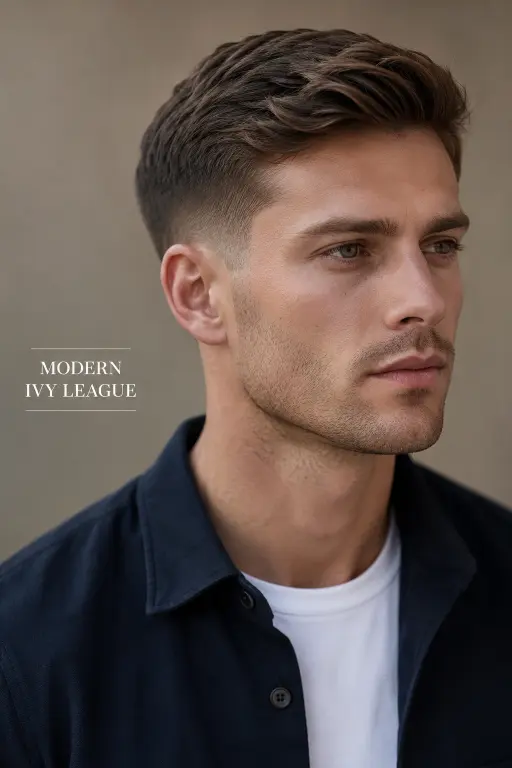
The modern Ivy League combines classic proportions with updated barbering techniques like textured layering, skin tapering, and natural styling flow. It keeps the sophistication of the original while making the haircut feel more current.
This version works for nearly every age group because it balances professionalism with personality. It suits most face shapes and hair types when customized properly by a skilled barber.
The style is ideal for men who want a haircut that can shift easily between formal and casual settings.
How to Choose the Right Ivy League Haircut
The best Ivy League haircut depends heavily on your face shape, hair texture, and daily routine.
If you have a round face, choose styles with more height or tighter sides to create a longer appearance. Men with square faces usually look best with softer tapers or textured tops that balance strong jawlines.
Hair texture matters just as much. Thick hair works well with textured or faded Ivy League styles because it can hold shape naturally. Fine hair benefits from cleaner side parts and slightly shorter lengths to avoid looking flat.
Hair density also affects the final result. Men with thinning hair often do better with classic or comb-over variations that create visual fullness without exposing the scalp.
Finally, think honestly about maintenance. If you don’t want to style your hair daily, stick with shorter tapered versions. If you enjoy styling and product use, longer textured variations offer more flexibility.
Common Mistakes to Avoid
- Choosing an Ivy League cut that’s too short on top, leaving no room for styling
- Ignoring your natural hair texture and forcing the hair into an unnatural shape
- Using heavy greasy products that make the haircut look outdated
- Picking high fades that don’t match your face shape
- Neglecting regular trims, especially for faded versions
- Bringing vague references to your barber instead of clear examples
Pro Tips
- Ask your barber to customize the taper based on your head shape instead of copying photos exactly
- Matte products usually make Ivy League haircuts look more natural and modern
- Blow-drying the front slightly upward adds shape without needing heavy product
- Scissor-cut tops often look softer and more expensive than clipper-only cuts
- If you have cowlicks, work with their natural direction instead of fighting them
- Regular neckline cleanups keep Ivy League styles looking fresh between haircuts
Conclusion
The Ivy League haircut remains popular because it solves a problem many men face: looking polished without appearing overly styled. From classic side parts to textured modern versions, there’s an Ivy League variation for almost every face shape, hair type, and lifestyle.
The key is choosing a version that works with your natural hair rather than against it. A good barber can adjust the length, taper, and texture to make the haircut feel tailored specifically to you.
FAQs
Is the Ivy League haircut good for thinning hair?
Yes. Variations like the Ivy League comb over or classic side-part version can make thinning hair appear fuller by creating structure and controlled direction.
What’s the difference between a crew cut and an Ivy League haircut?
A crew cut is generally shorter on top and offers very little styling flexibility. An Ivy League keeps extra length on top so the hair can be parted or styled.
How often should you trim an Ivy League haircut?
Most Ivy League styles look best with trims every 3 to 5 weeks, depending on how short the sides are faded or tapered.
Does the Ivy League haircut work with curly hair?
Absolutely. A curly Ivy League can look excellent when the curls are shaped properly and the sides are kept controlled.
What styling product works best for Ivy League haircuts?
Matte clay, lightweight pomade, or styling cream usually work best. The right product depends on whether you want a natural finish, texture, or a cleaner polished look.