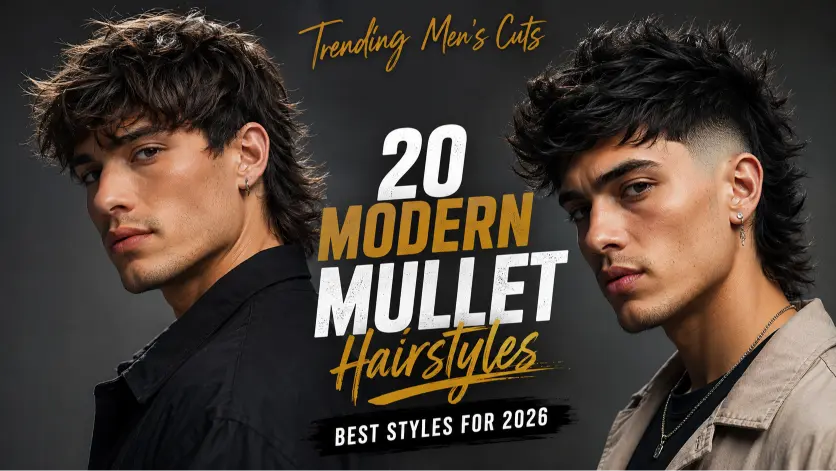
20 Modern Mullet Hairstyles for Men That Are Trending Right Now
Finding a haircut that feels modern without looking overly polished can be tricky. A lot of men want something with personality, movement, and edge — but still wearable in everyday life. That’s exactly why modern mullet hairstyles are everywhere right now. The newer versions are cleaner, more textured, and far more versatile than the old-school mullets most people remember.
What Is a Modern Mullet Hairstyle?
A modern mullet is a men’s haircut that keeps shorter hair around the sides and front while leaving more length and texture at the back. Unlike the dramatic 1980s version, today’s mullet uses fades, layers, soft tapers, and natural texture to create a more balanced and wearable look.
1. Textured Modern Mullet
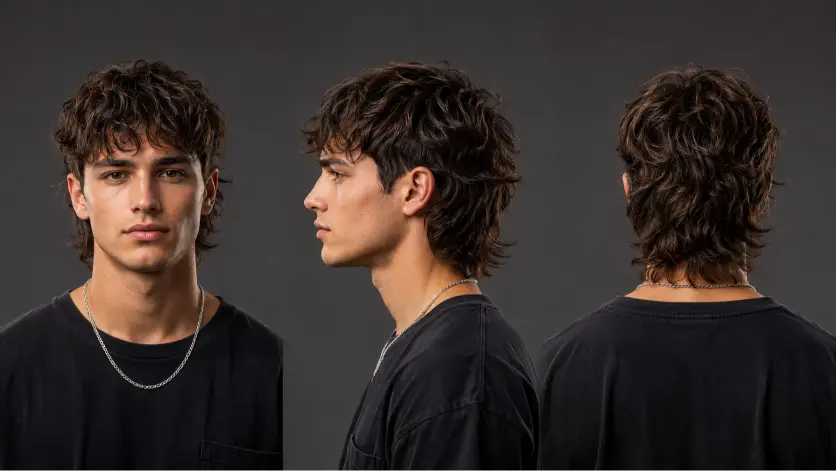
This is the haircut most barbers picture when someone asks for a modern mullet. The top is heavily layered and choppy, creating movement and separation, while the back keeps medium length without looking too long or stringy. The sides are usually tapered or lightly faded for a cleaner shape.
It works especially well for men with thick or naturally wavy hair because texture helps the cut look effortless instead of flat. Oval, square, and diamond face shapes suit this version best because the volume on top balances facial structure nicely. The overall vibe feels relaxed, edgy, and slightly rebellious without becoming too dramatic. Styling usually takes only a matte clay or texture powder and a quick finger-style in the morning.
2. Burst Fade Mullet
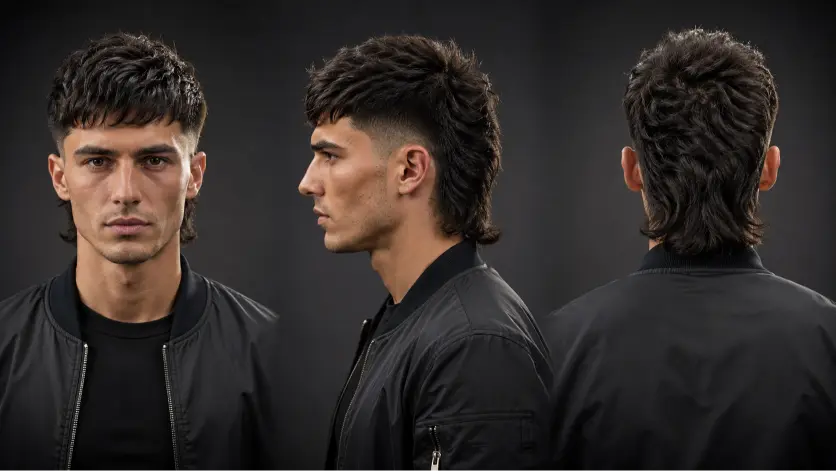
The burst fade mullet combines a rounded fade around the ears with longer hair flowing through the back. The fade curves outward instead of staying straight, which creates a cleaner contrast and makes the mullet look sharper.
This style works best on thick straight hair, coarse hair, or curls because the fade emphasizes the fullness on top and behind the head. Round and wider face shapes benefit from the extra height this cut creates. It gives off a sporty, athletic look and has become especially popular among younger guys and athletes. It needs regular barber visits every 2–3 weeks to keep the fade crisp.
3. Curly Mullet
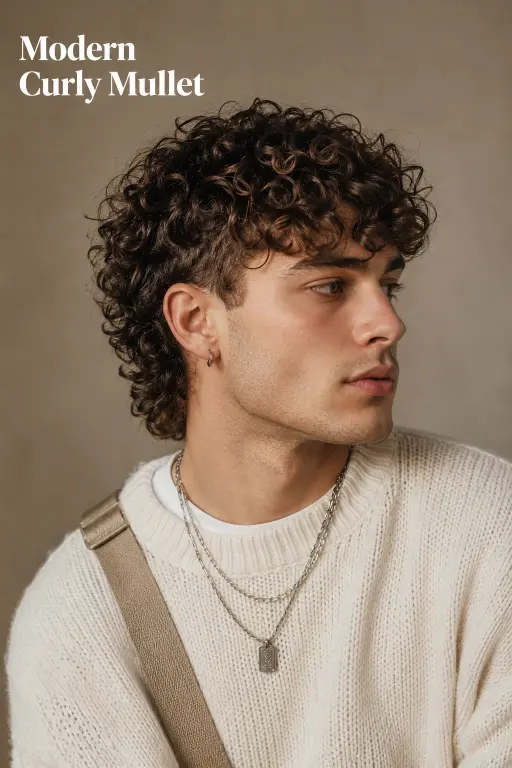
A curly mullet lets natural curls do most of the work. The curls stay fuller through the crown and back while the sides are trimmed shorter to stop the shape from becoming bulky.
This haircut suits men with naturally curly or coily hair who want shape without removing too much length. It’s ideal for oval, heart, and rectangular face shapes because curls soften sharper features. The style feels expressive and creative, and it stands out without needing aggressive fades or designs. Maintenance mainly involves curl cream, leave-in conditioner, and moisture control rather than heavy styling.
4. Low Taper Mullet
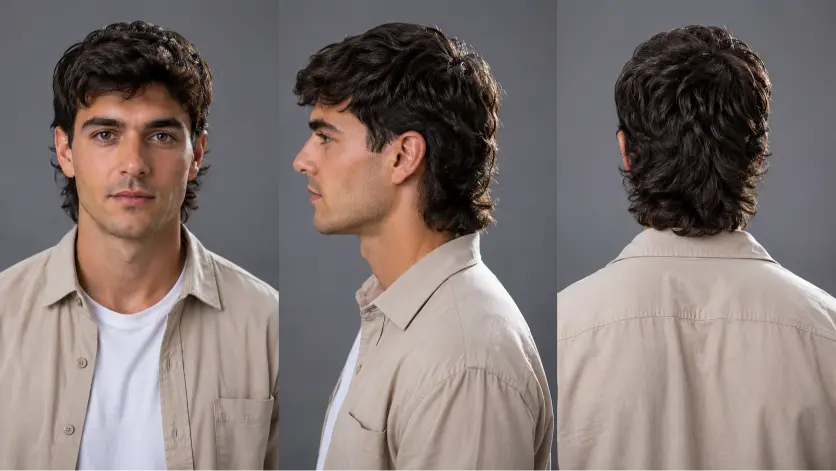
The low taper mullet is one of the easiest mullets to wear in professional or casual settings. Instead of a dramatic fade, the sides softly taper around the ears and neckline while the back remains longer and textured.
This version works well for straight, wavy, or fine hair because it keeps everything softer and more blended. Men with longer face shapes usually benefit from the lower taper since it avoids adding too much height. The look feels cleaner and more mature than aggressive fade versions. It’s a great option for someone trying a mullet for the first time.
5. Short Modern Mullet
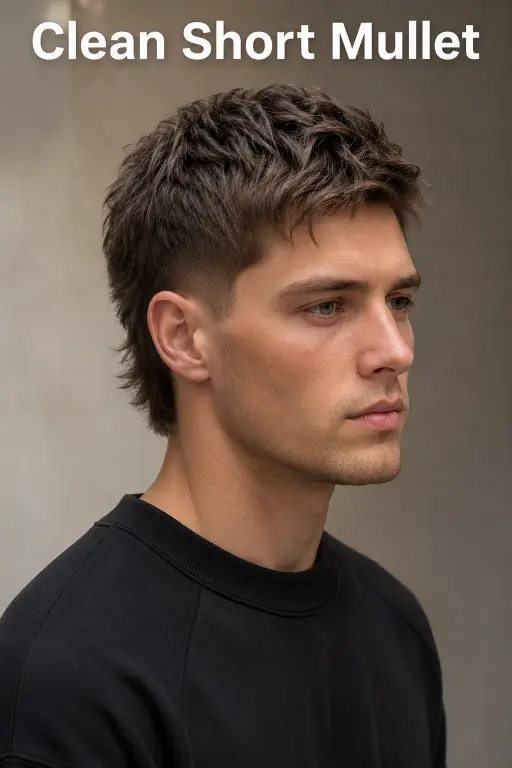
A short mullet keeps the back subtle and controlled rather than long and dramatic. The length difference between the top and back is smaller, making the haircut easier to maintain and easier to grow out later.
This style suits men who want something fashionable without fully committing to a bold mullet. It works especially well on fine or straight hair because shorter lengths create better shape and volume. Round and oval faces usually pair nicely with this cut. It gives a clean, casual appearance that doesn’t require much more than a light styling cream.
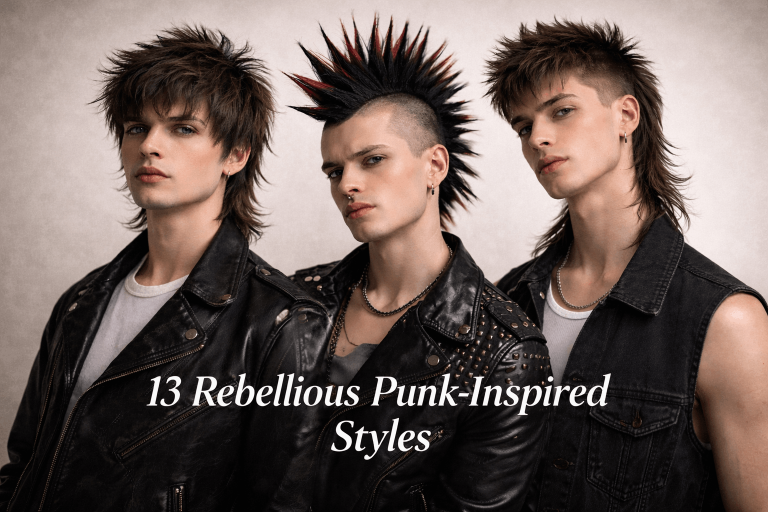
6. Wolf Cut Mullet
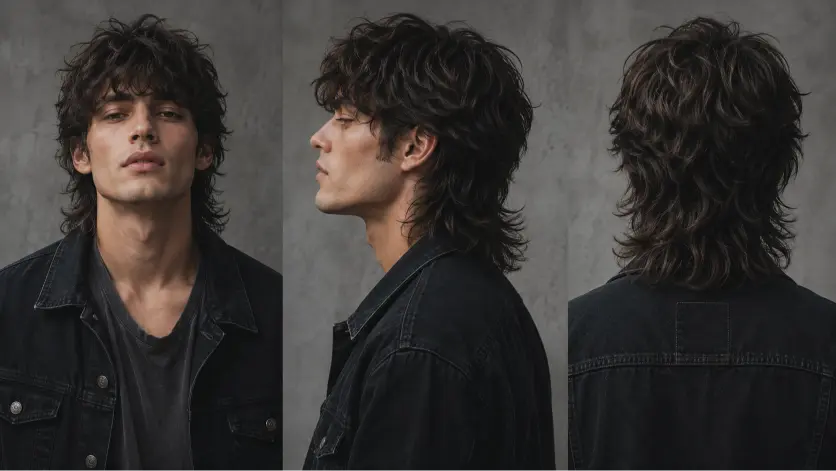
The wolf cut mullet mixes shaggy layers with mullet structure. The top stays messy and heavily layered while the back flows naturally with softer edges instead of sharp disconnection.
This haircut looks best on medium-length wavy or thick hair because the layers create movement naturally. It suits slimmer face shapes like oval and diamond faces particularly well. The overall look feels artistic, rock-inspired, and slightly undone. Styling usually involves sea salt spray and air drying rather than precise grooming.
7. Skin Fade Mullet
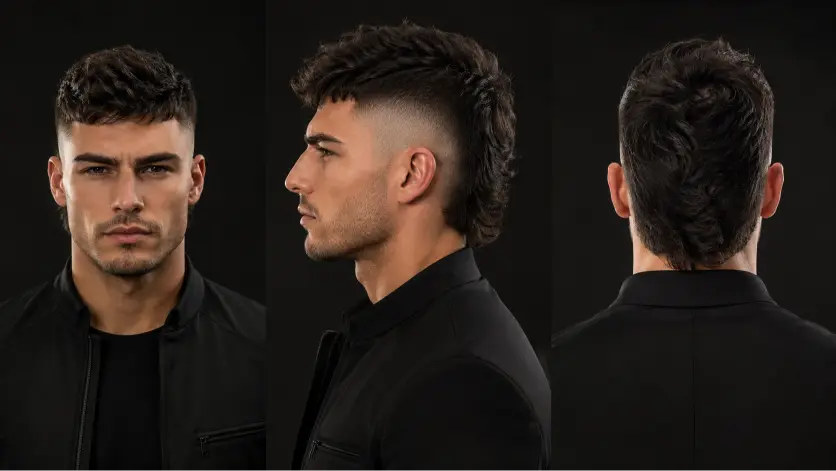
This version creates maximum contrast by shaving the sides down to the skin while keeping noticeable length at the crown and back. The sharp fade makes the mullet stand out immediately.
It’s ideal for men who like bold, high-contrast hairstyles and already wear fades regularly. Thick hair and dense hair textures work best because they create stronger separation from the shaved sides. Square and oval faces suit this style especially well. The haircut looks sharp and confident but requires frequent cleanup appointments to maintain the fade.
8. Wavy Mullet
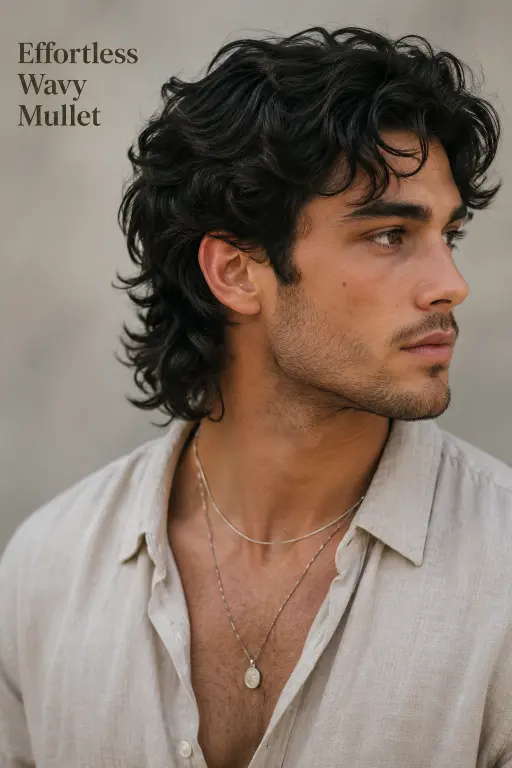
The wavy mullet focuses on natural flow instead of heavy structure. The waves add softness and movement throughout the haircut, especially at the back.
This style is perfect for men whose hair naturally bends or forms loose waves. It works well on medium-density hair and suits rectangular or angular face shapes because the waves soften hard lines. The vibe feels relaxed, beachy, and effortless rather than aggressive. A lightweight curl cream or sea salt spray is usually enough for styling.
9. Baby Mullet
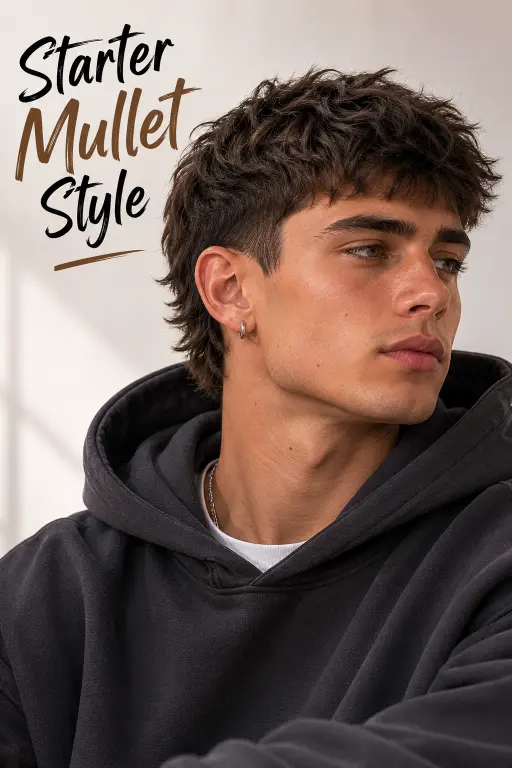
The baby mullet is a toned-down version with only slight extra length at the back. From the front, it can almost look like a regular textured crop or taper cut.
This is one of the safest ways to try the mullet trend without going too extreme. It works for almost all hair types and face shapes because the proportions stay subtle. The style gives off a modern fashion-forward look without attracting too much attention. Maintenance is low, and it grows out cleanly compared to longer mullets.
10. Mullet with Fringe

Adding a fringe changes the entire personality of the haircut. The front stays longer and falls toward the forehead while the back keeps classic mullet length.
This version suits men with larger foreheads or longer face shapes because the fringe visually shortens the face. Thick straight hair or soft waves work especially well here. The haircut feels youthful and fashion-oriented, almost inspired by Korean or alternative streetwear styles. Styling requires a bit more effort to shape the fringe properly each morning.
11. Fluffy Mullet

The fluffy mullet focuses on soft volume rather than sharp texture. The top and back are blow-dried for fullness, creating a rounded shape with movement.
This cut works best for men with thick medium-length hair. It’s ideal for narrow or slim face shapes because the added width balances facial proportions. The overall appearance feels soft, approachable, and trend-driven. Styling usually requires a blow dryer, volumizing mousse, and some texture spray.
12. Mullet with Hard Part
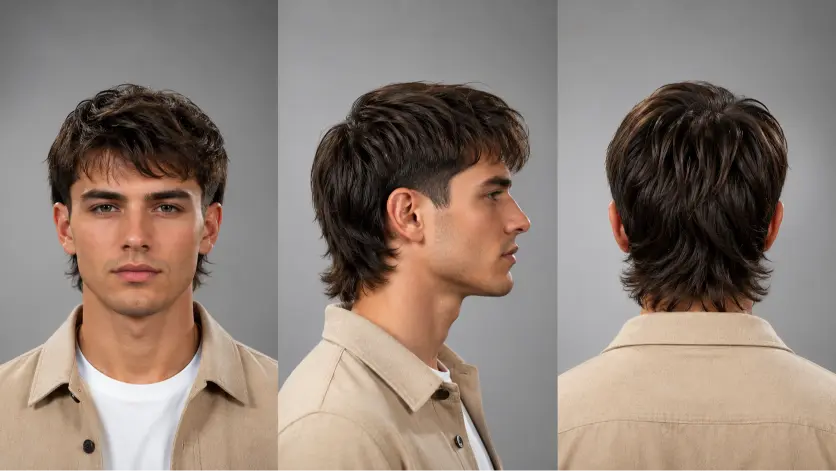
This style introduces a shaved part line along one side, giving the haircut more structure and definition. The hard part creates a cleaner separation between the top and faded sides.
It works best on straight or thick hair where the line remains visible and sharp. Square and oval face shapes pair nicely because the hard angles complement strong jawlines. This mullet looks cleaner and more intentional than messy versions. It needs consistent trims to keep the shaved line visible.
13. Shag Mullet

The shag mullet leans heavily into layered texture and messy volume. Instead of polished edges, everything feels feathered and slightly wild.
This haircut is best for medium to long wavy hair because layers help prevent heaviness. It suits men with slim or angular faces particularly well. The overall look feels retro-inspired but still modern when paired with softer fades or natural texture. Styling is low effort and usually looks better slightly messy.
14. Afro Mullet

The afro mullet keeps natural volume through the crown and back while tightening the sides for shape. The contrast between the fuller back and cleaner sides creates a strong silhouette.
This style is excellent for coily and afro-textured hair because it enhances natural texture rather than fighting it. Oval and rectangular faces benefit most from the balanced proportions. The haircut feels bold, expressive, and highly individual. Moisture and shape maintenance are the key priorities.
15. Faux Hawk Mullet
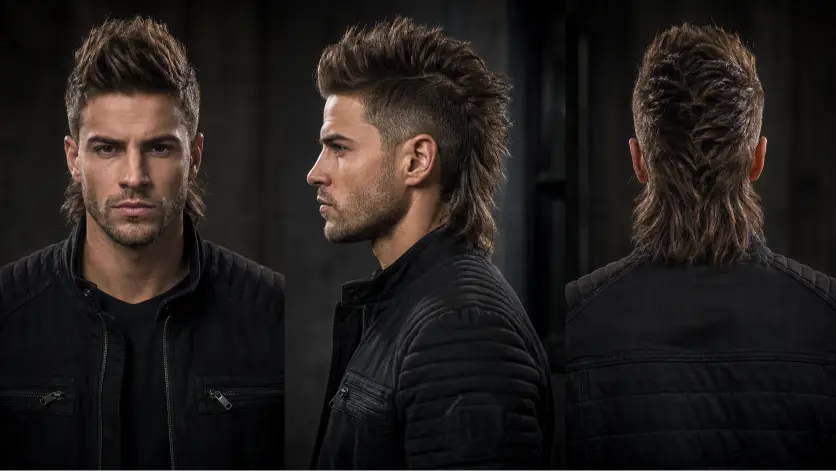
The faux hawk mullet combines a raised center strip with mullet length in the back. The middle stays longer and more elevated while the sides taper tightly.
This cut suits men who like aggressive, energetic hairstyles with lots of movement. Thick hair works best because it can hold the lifted shape more easily. Square faces pair especially well with the strong lines of this cut. Styling requires matte paste or strong-hold clay to maintain height through the center.
16. Disconnected Mullet

A disconnected mullet removes smooth blending between sections. The top, sides, and back have clear separation, creating a stronger statement look.
This haircut suits fashion-forward men who want a haircut that stands out immediately. Thick straight hair works particularly well because the disconnection stays visible. Oval and diamond faces handle the dramatic proportions best. It’s a higher-maintenance style because shape and contrast need regular barber upkeep.
17. Long Modern Mullet
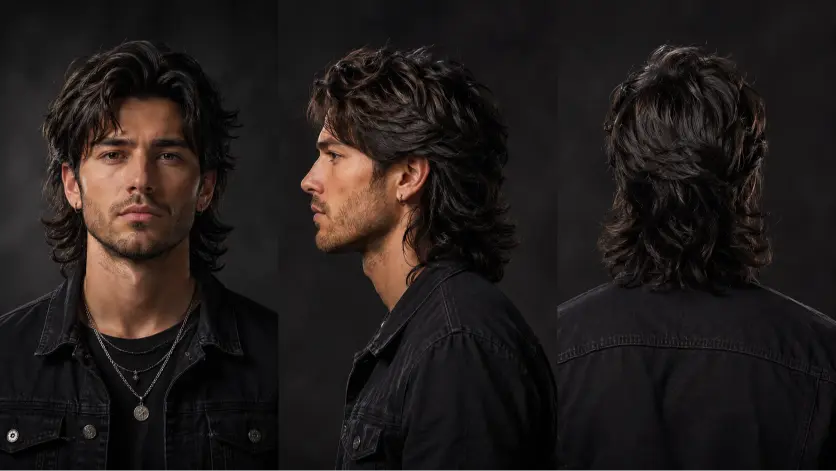
This version keeps noticeable length at the back while maintaining cleaner sides and texture up top. Unlike classic mullets, the longer back still looks shaped and intentional.
It works best on wavy, thick, or slightly curly hair because movement prevents the longer section from looking flat. Men with oval or rectangular faces usually pull this style off best. The haircut gives a confident rock-inspired appearance without feeling outdated. It requires patience during the growing phase and regular conditioning.
18. Taper Fade Mullet

The taper fade mullet blends the sides gradually while keeping a natural transition into the neckline and back. It’s cleaner than a classic mullet but softer than a skin fade.
This style suits almost every age group because it balances boldness with practicality. Straight, wavy, and curly hair all work well here. Round and square faces benefit from the cleaner sides and slight height on top. Styling effort stays moderate and manageable for everyday wear.
19. Spiky Mullet

The spiky mullet adds sharp texture throughout the crown and front using strong styling products. The back remains longer but slightly layered to match the aggressive texture on top.
This haircut suits thick straight hair best because spikes hold shape more easily. Oval and angular face shapes pair naturally with the sharper finish. The overall appearance feels energetic and early-2000s inspired with a modern update. It requires daily styling with wax or matte paste.
20. Broccoli Mullet

The broccoli mullet combines curly volume on top with a mullet shape in the back and faded sides. The curls stay fluffy and rounded while the neckline keeps extra length.
This cut works especially well for younger guys with natural curls or perms. Round faces often benefit because the added height elongates facial proportions. The style gives off a trendy, streetwear-heavy vibe popular on social media right now. Curl definition products and diffusing are usually necessary for the best result.
How to Choose the Right Mullet Hairstyle
The best mullet depends heavily on your face shape, hair texture, and how much styling you’re willing to do every day.
If you have a round face, choose styles with height and tighter sides like burst fade or faux hawk mullets. Longer faces usually look better with softer volume and fringes to avoid adding too much height. Square faces handle sharper fades and disconnected styles particularly well.
Hair texture matters just as much. Thick hair works well for textured and layered mullets because it creates natural movement. Fine hair often benefits from shorter mullets or softer tapers to avoid looking thin at the back. Curly hair naturally suits mullets because the texture adds shape automatically.
You should also consider maintenance realistically. Skin fades and sharp designs require barber visits every few weeks, while shaggy or textured mullets grow out more naturally and need less upkeep.
Common Mistakes to Avoid
- Asking for too much length in the back too quickly
- Ignoring your natural hair texture when choosing a style
- Choosing aggressive fades that don’t match your lifestyle
- Using heavy greasy products that flatten texture
- Skipping regular trims and letting the back become uneven
- Not bringing reference photos to your barber
- Trying to force a curly mullet on naturally flat hair without enough layering
Pro Tips
- Use matte styling products instead of shiny gels for a more modern finish
- Sea salt spray helps mullets look textured without stiffness
- Keep the neckline clean even if the back is longer
- Blow-drying the crown adds shape and prevents flatness
- If you’re unsure, start with a baby mullet before growing longer versions
- Regular layering is what keeps modern mullets looking fresh instead of outdated
Conclusion
The modern mullet works because it can be adapted to almost any hair type, personality, or lifestyle. Some versions feel clean and subtle, while others lean bold and expressive. The key is choosing a shape that fits your natural texture and how much effort you actually want to put into styling.
If you’re trying a mullet for the first time, start softer and shorter. Once you understand how your hair behaves, you can always move into bolder variations later.
FAQs
1. Are modern mullets professional enough for work?
Yes, many modern mullets are subtle enough for professional settings, especially taper mullets and short textured versions. Keeping the sides clean and the back controlled makes a big difference.
2. What hair type works best for a mullet?
Wavy, curly, and thick hair usually work best because texture adds natural movement. Straight hair can still work well, but it often needs more layering and styling product.
3. How often should you trim a mullet?
Most mullets need trimming every 4–6 weeks. Fade-heavy versions may need touch-ups every 2–3 weeks to keep the sides sharp.
4. Can men with thin hair get a mullet?
Yes, but shorter mullets with texture usually work better than long dramatic ones. Too much length in the back can make thin hair look sparse.
5. What should I tell my barber when asking for a mullet?
Bring reference photos and explain how much contrast you want between the sides and back. Mention whether you prefer soft texture, sharp fades, or a more natural blended look.