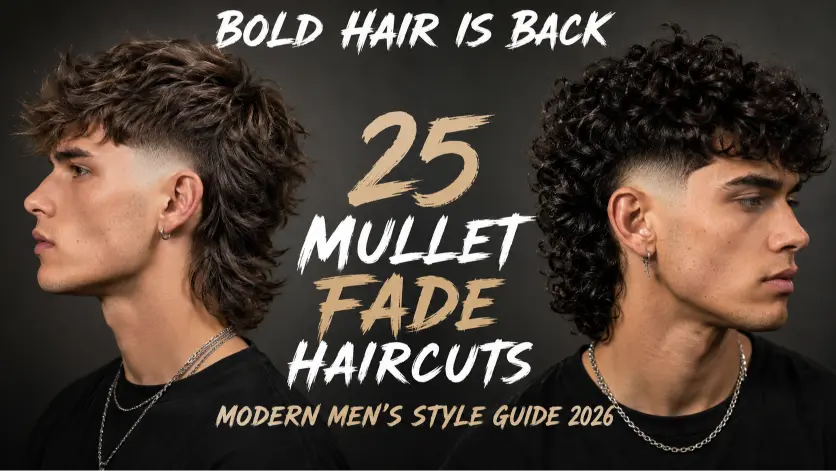
25 Mullet Fade Haircuts for Men With Bold Modern Style
Finding a haircut that feels edgy without looking outdated can be tricky. A lot of men want something modern and sharp, but still easy enough to wear in everyday life. That’s exactly why the mullet fade has made such a strong comeback. It keeps the rebellious attitude of the classic mullet while adding clean faded sides that make the style look far more polished and wearable.
A mullet fade haircut combines shorter faded sides with extra length at the back of the head. The fade creates a cleaner, more modern structure, while the longer rear section keeps the signature mullet shape. The style can be subtle or dramatic depending on the fade level, texture, and overall length.
1. Low Fade Mullet
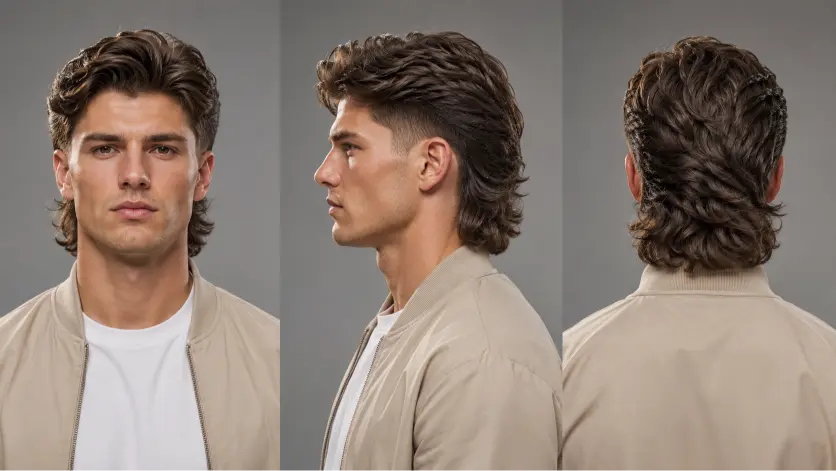
The low fade mullet keeps the fade close to the ears and neckline, creating a softer transition into the longer back section. It looks cleaner and less aggressive than higher fades, making it a good option for men trying the mullet trend for the first time. The extra length in the back stays noticeable without overpowering the haircut.
This style works especially well on straight or slightly wavy hair because the shape remains controlled and neat. Oval, square, and heart-shaped faces benefit most from the balanced proportions. It gives off a laid-back but well-groomed vibe and requires moderate styling with a light matte cream or texture spray.
2. Mid Fade Mullet
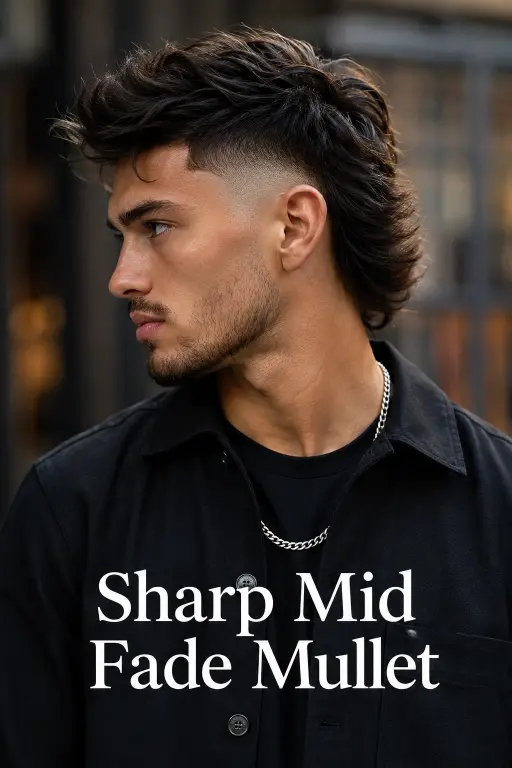
A mid fade mullet creates more contrast between the sides and the top, giving the haircut a sharper, more defined appearance. The fade starts around the temple area, which helps the mullet stand out without looking too disconnected.
This cut suits men with medium to thick hair density because the extra volume supports the shape better. It works particularly well on square and oval face shapes. Compared to a low fade version, this haircut feels bolder and more fashion-forward while still remaining versatile enough for daily wear.
3. High Fade Mullet
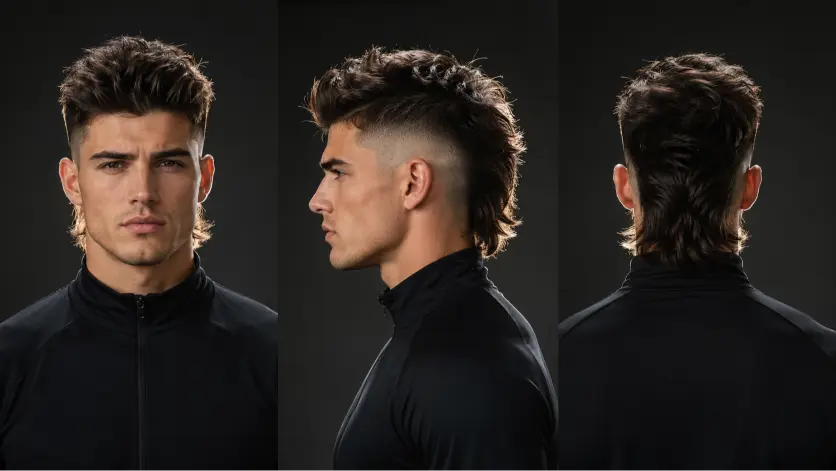
The high fade mullet removes a large amount of hair from the sides, creating a dramatic separation between the top and the longer back. It gives the haircut a clean, athletic edge and places all the attention on the texture and shape of the mullet itself.
Men with thick, coarse, or straight hair usually get the best results because the top maintains structure more easily. This style complements round and wider face shapes by adding height and sharpness. It needs regular barber visits to keep the fade crisp and prevent the style from looking messy.
4. Burst Fade Mullet
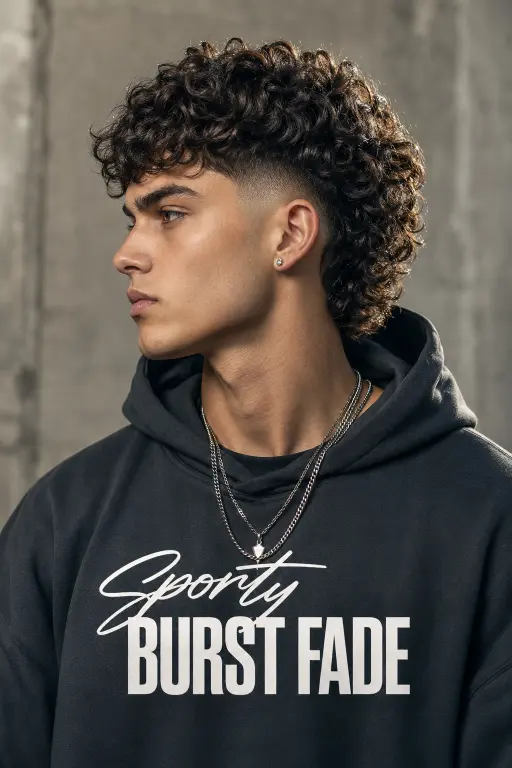
The burst fade curves around the ear in a rounded shape, blending naturally into the longer back section. This creates one of the smoothest transitions in any mullet variation and gives the haircut a sporty modern appearance.
It works extremely well for curly, wavy, or textured hair because the rounded fade matches the natural movement of the hair. Men with diamond or oval face shapes often pull this style off best. The burst fade mullet has become popular because it feels edgy without looking overly harsh.
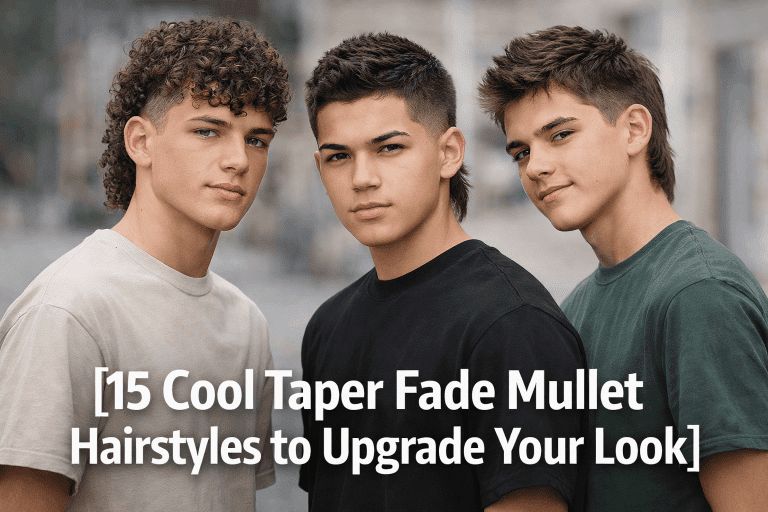
5. Taper Fade Mullet
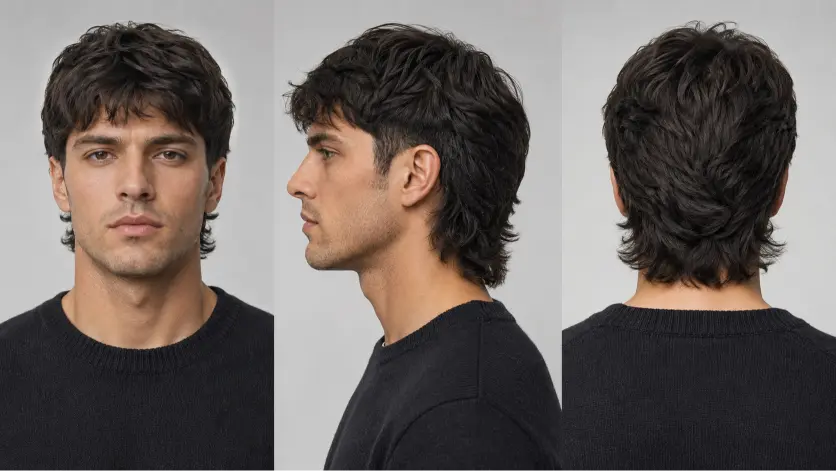
The taper fade mullet is more conservative and wearable than a skin fade version. Instead of taking the sides extremely short, the hair gradually shortens around the sideburns and neckline while maintaining some fullness.
This style suits professional environments better than more aggressive mullet cuts. It works well for men with medium-length hair who want subtle contrast instead of a dramatic disconnected look. The maintenance is lower since the grow-out phase looks cleaner for longer.
6. Curly Mullet Fade
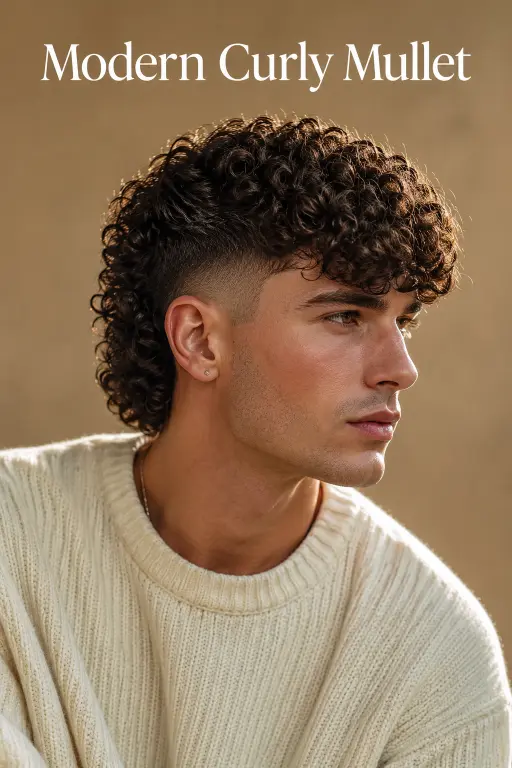
A curly mullet fade uses natural curls to create movement and volume throughout the haircut. The curls at the back give the mullet a relaxed shape, while the faded sides keep everything controlled and modern.
This haircut is ideal for men with naturally curly or coily hair textures. It flatters longer face shapes because the curls add width and fullness. The overall look feels expressive and youthful, but proper curl products are important to prevent frizz and dryness.
7. Wavy Mullet Fade
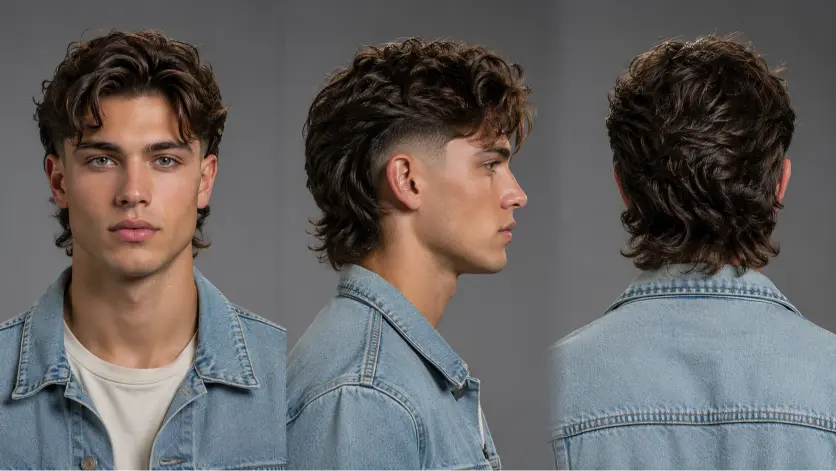
The wavy mullet fade creates a softer and more effortless appearance than straighter versions. The waves naturally blend the shorter and longer sections together, making the haircut look more relaxed and less rigid.
This style works best on medium-density hair with loose natural wave patterns. It suits oval, rectangular, and heart-shaped faces particularly well. Sea salt spray or lightweight mousse usually helps enhance texture without making the hair stiff.
8. Straight Hair Mullet Fade
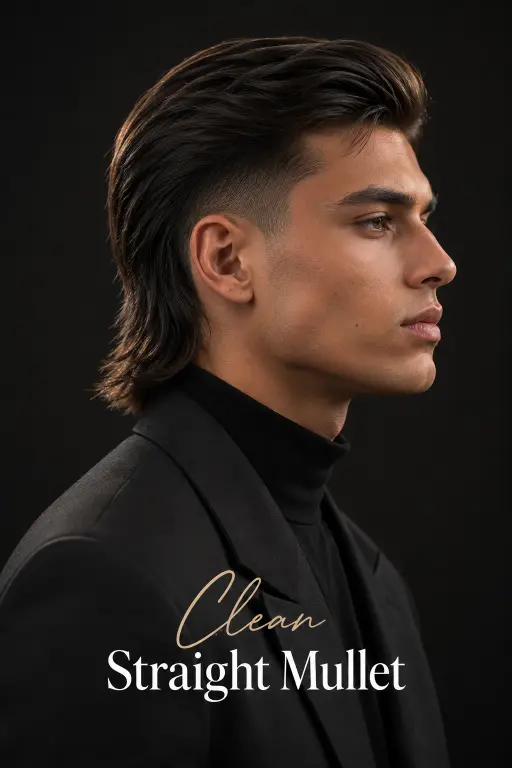
A straight hair mullet fade gives the haircut a sharp, structured appearance with clearly visible layers and clean lines. The contrast between the fade and the back length becomes much more noticeable on straight hair.
This option is ideal for men who prefer a cleaner and more controlled hairstyle. It works well with angular face shapes like square or diamond. Since straight hair can sometimes look flat, light volumizing products help add movement on top.
9. Textured Mullet Fade
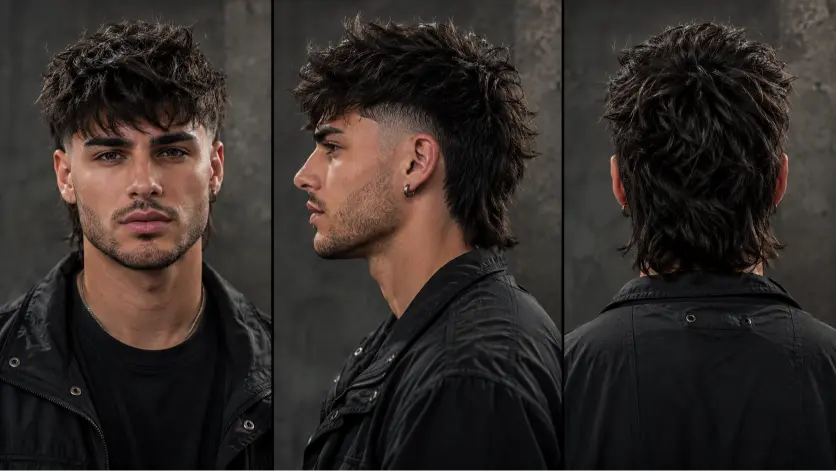
The textured mullet fade focuses heavily on choppy layers and messy movement throughout the top and back. Instead of looking sleek, the haircut intentionally appears rugged and lived-in.
This style works especially well for thick hair because layers remove excess weight and create separation. It gives off a modern streetwear-inspired vibe and suits younger men who prefer relaxed styling over polished grooming.
10. Skin Fade Mullet
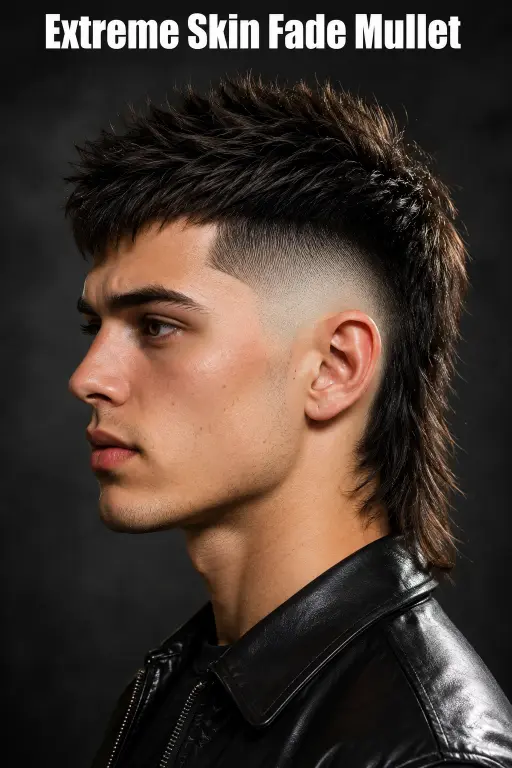
The skin fade mullet creates the strongest contrast possible by fading the sides all the way down to the skin. This makes the longer back section stand out dramatically.
Men with dense hair and strong facial features usually wear this style best. It pairs well with beards because the sharp fade helps define the jawline. The haircut feels aggressive, clean, and highly modern, though it needs frequent touch-ups to maintain the skin fade properly.
11. Modern Mullet Fade
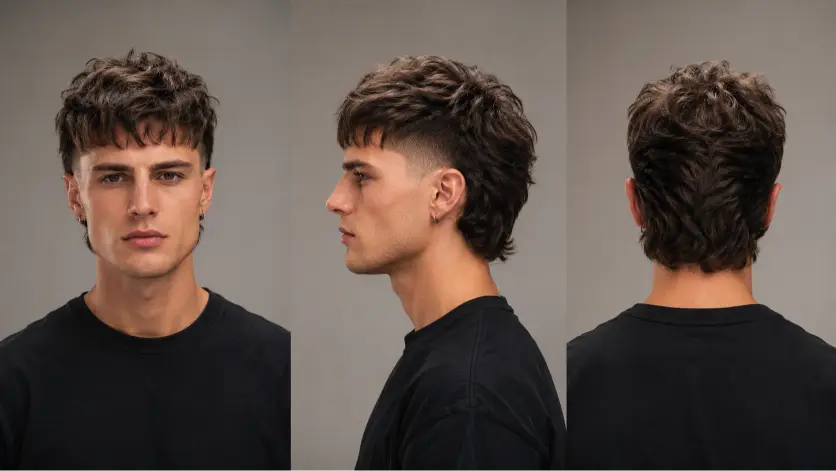
The modern mullet fade tones down the exaggerated proportions of older mullet styles. The back remains longer, but the shape stays balanced and wearable rather than extreme.
This is one of the best choices for men who want to experiment with the trend without committing to a dramatic retro look. It works on most hair textures and face shapes, making it one of the most versatile mullet options available today.
12. Short Mullet Fade
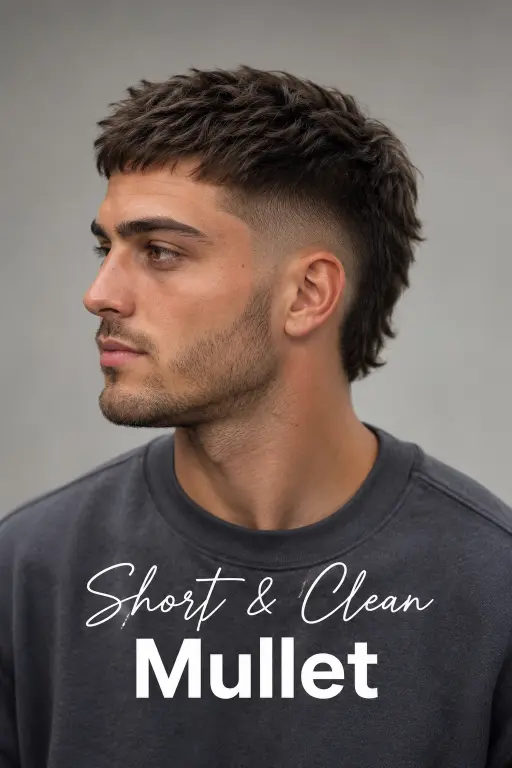
The short mullet fade keeps the back section relatively subtle while still preserving the signature mullet silhouette. The shorter length makes the haircut easier to style and maintain.
This version works especially well for professional or casual everyday settings because it doesn’t appear too rebellious. Men with fine or thin hair often benefit from shorter lengths since the haircut looks fuller and cleaner.
13. Long Mullet Fade
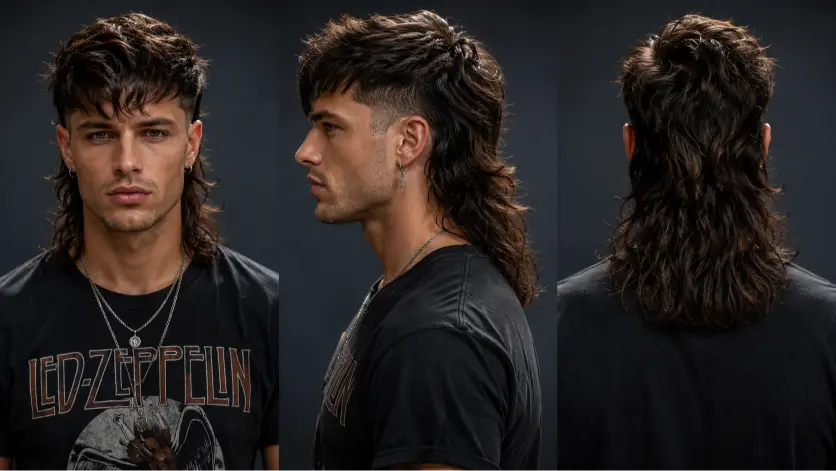
The long mullet fade embraces dramatic length at the back for a more noticeable and expressive style. The faded sides prevent the haircut from feeling too heavy or outdated.
This cut works best for thick hair with natural texture because longer lengths require enough density to avoid looking stringy. It suits confident personalities and gives off a rock-inspired aesthetic that stands out immediately.
14. Faux Hawk Mullet Fade
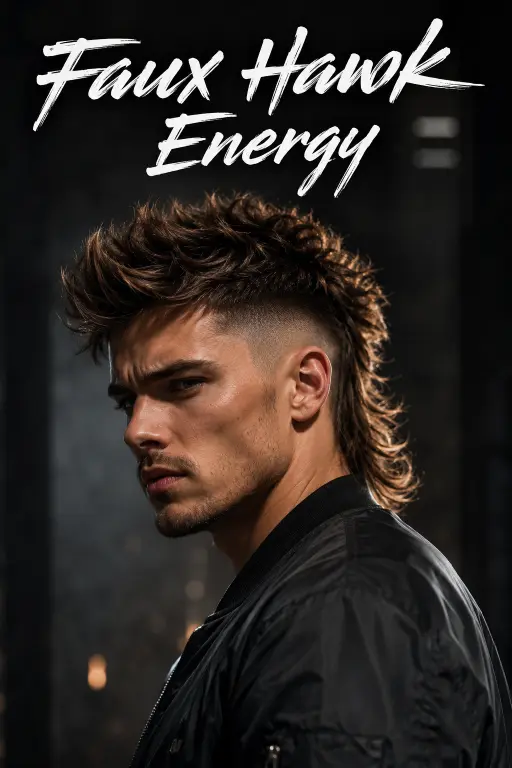
The faux hawk mullet fade combines the raised center strip of a faux hawk with the longer back section of a mullet. The result looks aggressive, edgy, and highly textured.
This haircut complements round and softer face shapes because the height elongates the face visually. Strong styling products are usually needed to maintain the lifted center section throughout the day.
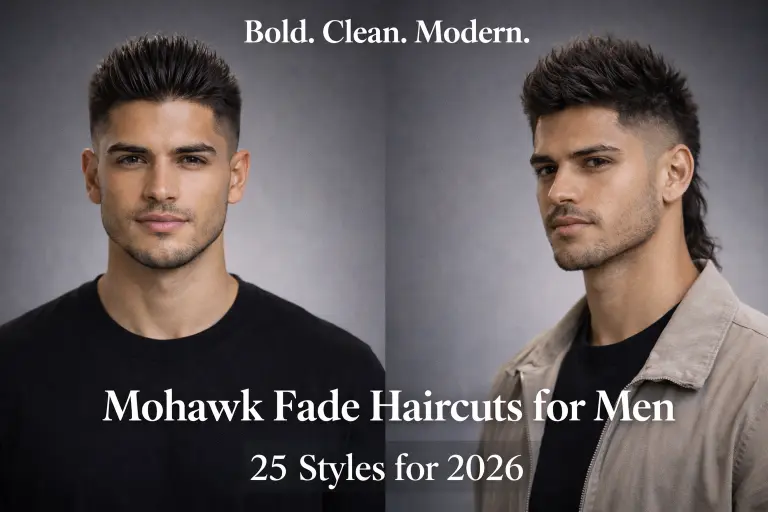
15. Mohawk Mullet Fade
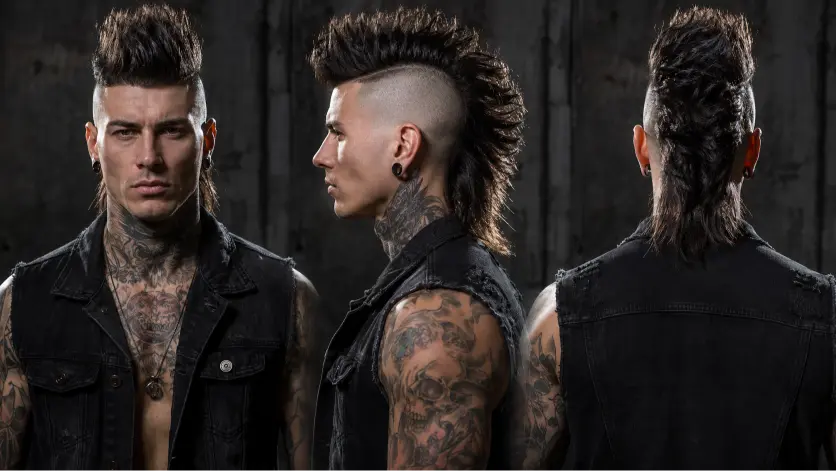
The mohawk mullet fade is one of the boldest variations, featuring shaved or tightly faded sides with a dramatic strip of hair running from the front to the back.
This style works best for thick hair and confident personalities since it attracts attention instantly. It pairs especially well with tattoos, piercings, or alternative fashion styles. Maintenance is high because the sides need regular cleanup to keep the shape sharp.
16. Disconnected Mullet Fade
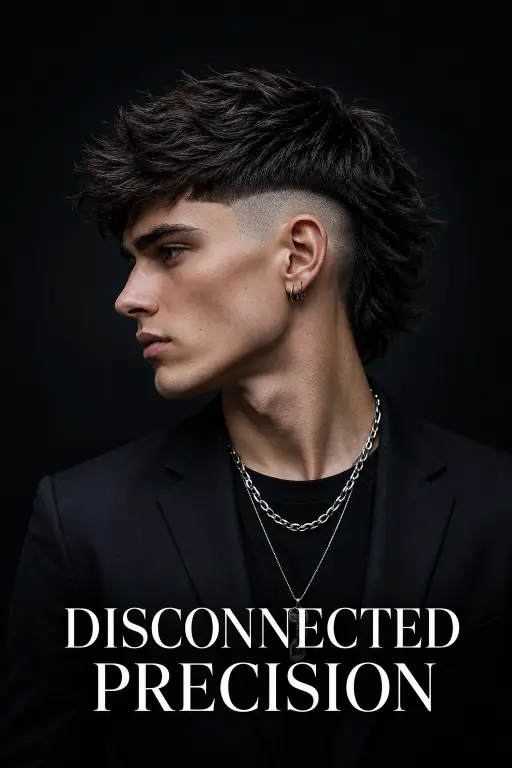
A disconnected mullet fade removes the smooth blend between the top and the faded sides, creating a sharper visual break. This gives the haircut a striking and highly editorial appearance.
Men who enjoy modern street-style grooming often prefer this version because it feels fashion-forward and intentional. Thick straight hair usually holds the disconnected structure best.
17. Slick Back Mullet Fade
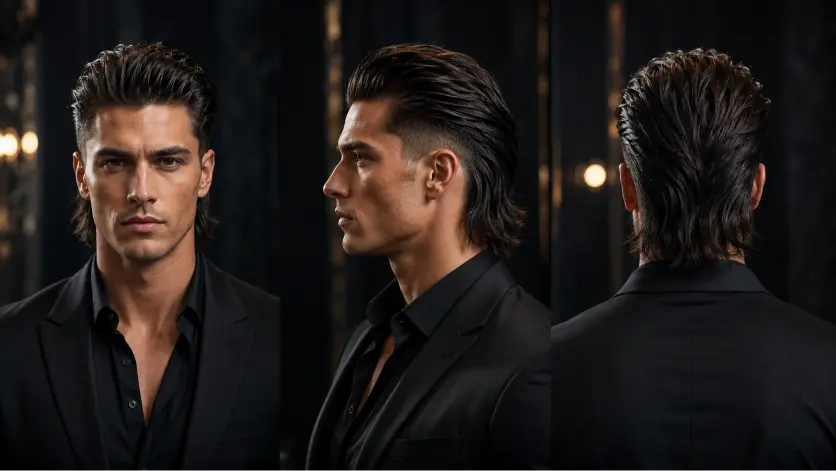
The slick back mullet fade keeps the top combed backward into the longer rear section, creating a cleaner and more refined version of the mullet trend.
This haircut suits men with medium to long straight hair and works particularly well in formal or nightlife settings. Pomade or styling cream is usually needed for the sleek finish. Compared to messier mullets, this version looks more mature and controlled.
18. Shaggy Mullet Fade
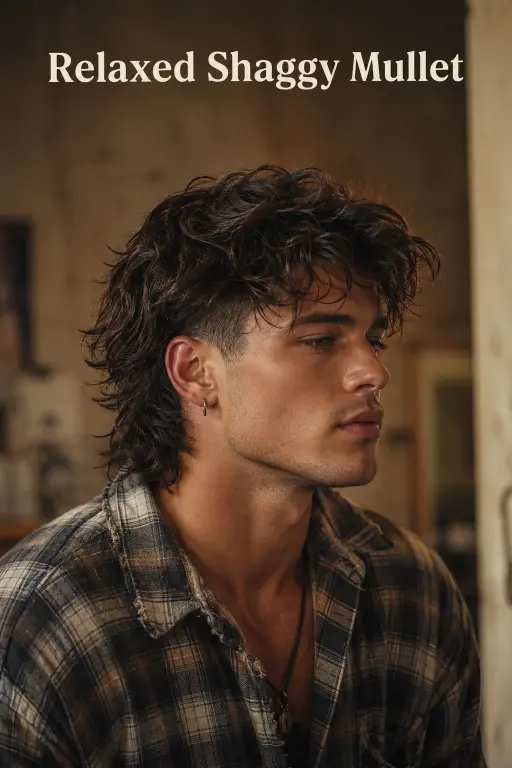
The shaggy mullet fade uses layered texture throughout the entire haircut for a relaxed rock-inspired appearance. Instead of sharp structure, the style focuses on movement and softness.
This haircut works especially well for naturally wavy or thick hair types. It suits men who prefer low-effort styling because the slightly messy appearance actually improves the overall look.
19. Undercut Mullet Fade
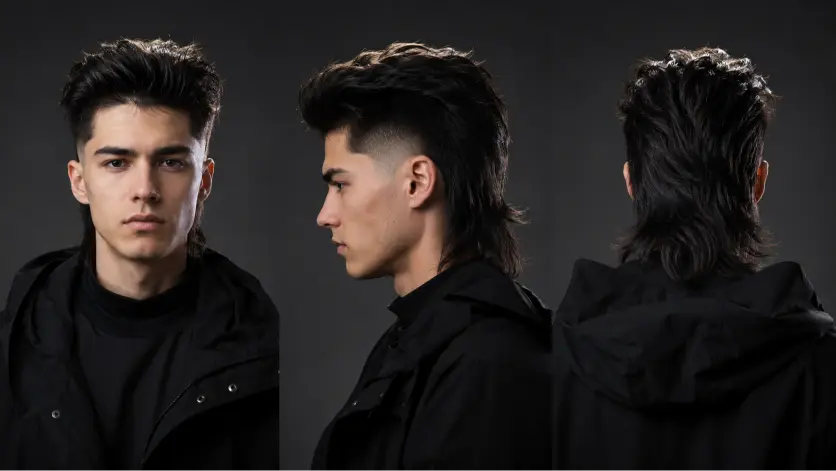
The undercut mullet fade features very short sides with little blending, creating a dramatic separation between the top and lower sections.
This cut works well for men with thick hair because the top remains dense and voluminous. The overall appearance feels bold and fashion-driven, making it ideal for men who want a strong statement haircut.
20. Fringe Mullet Fade
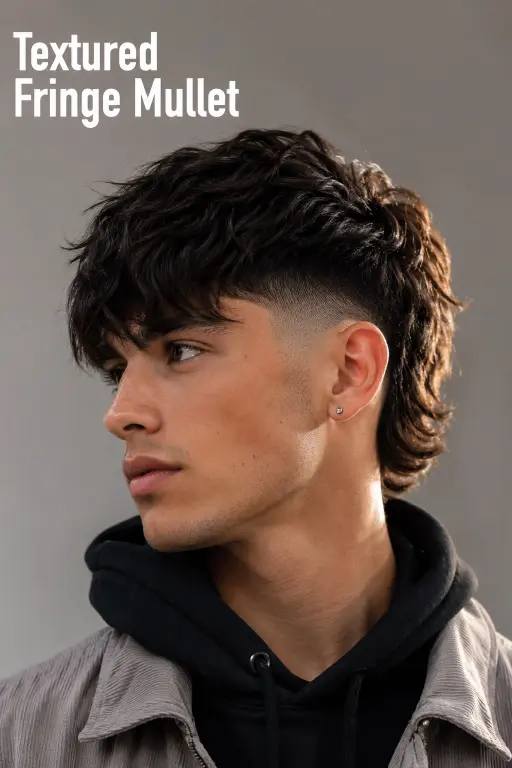
The fringe mullet fade adds a textured or forward-falling fringe at the front while maintaining the longer back section. This creates more balance and frames the face differently than traditional mullets.
It works particularly well for men with larger foreheads or longer face shapes. The fringe softens facial features while the mullet keeps the haircut edgy and modern.
21. Asian Mullet Fade
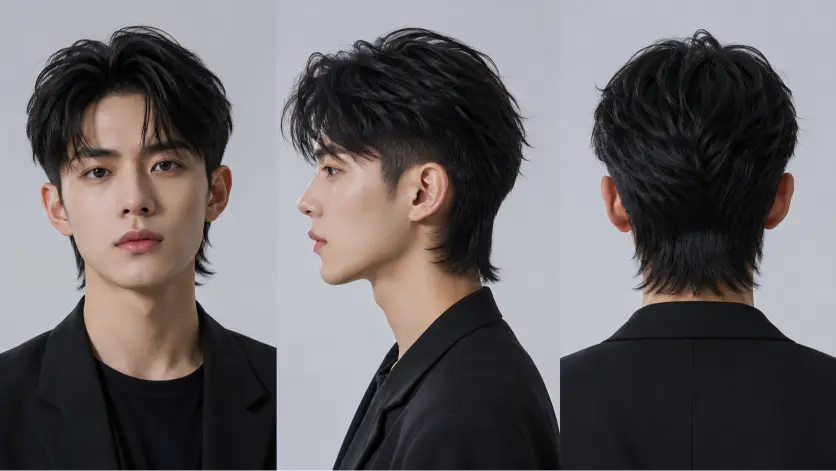
The Asian mullet fade often focuses on soft texture, clean tapering, and lightweight layered movement. Many versions feature wispy ends and controlled volume instead of overly thick styling.
This haircut suits naturally straight and dense Asian hair textures extremely well. It creates a polished K-style appearance that feels modern without looking too extreme.
22. Mullet Fade With Beard
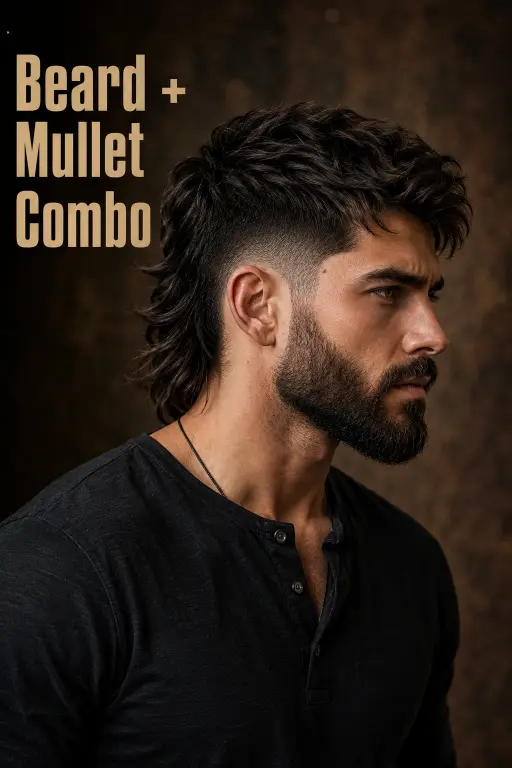
Pairing a mullet fade with a beard creates a more masculine and balanced overall appearance. The fade helps transition smoothly into the beard while the longer back section adds personality.
This combination works especially well for square or oval face shapes. Beards also help ground the haircut visually, making bold mullet styles feel more mature and intentional.
23. Mullet Fade With Design
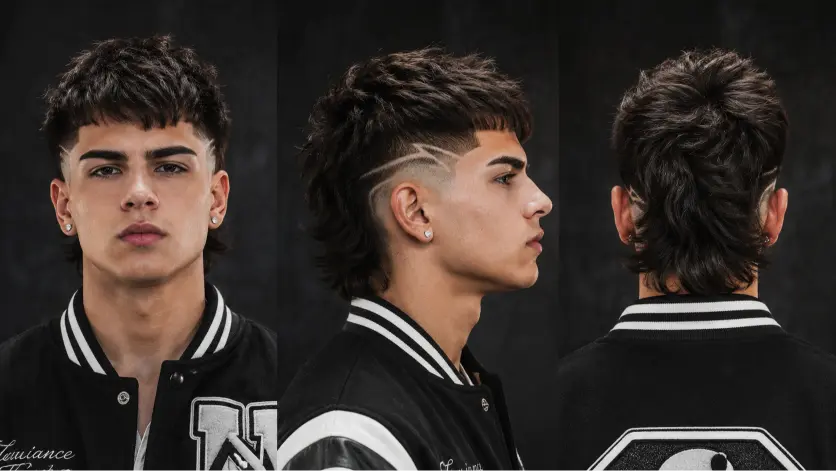
A mullet fade with shaved designs adds custom lines, patterns, or graphics into the faded area. This turns the haircut into a more artistic and personalized style.
This option suits younger men or anyone who enjoys expressive grooming. The designs require regular barber maintenance because even slight hair growth can blur the details quickly.
24. Messy Mullet Fade
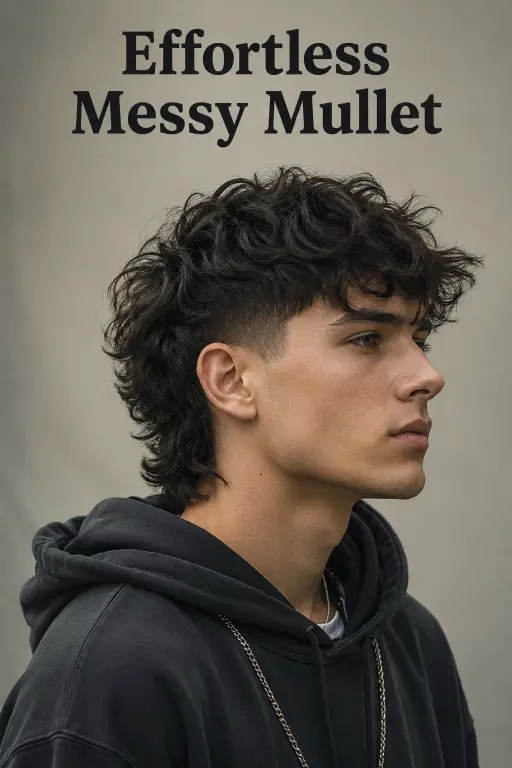
The messy mullet fade embraces loose texture and imperfect styling for a casual, rugged look. Instead of precise structure, the haircut focuses on natural movement and separation.
This style works best with medium to thick hair and suits relaxed lifestyles well. It requires less daily styling than cleaner versions, making it practical for men who prefer effortless grooming.
25. Retro-Inspired Mullet Fade
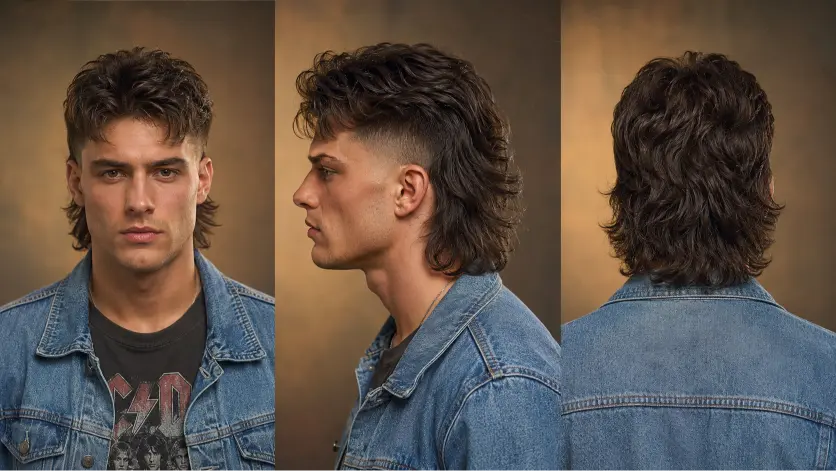
The retro-inspired mullet fade takes cues from classic 1980s mullets but modernizes the haircut with cleaner faded sides and updated texture.
This version works best for men who enjoy vintage-inspired fashion without fully committing to an old-school mullet. The fade keeps the haircut current while still preserving the nostalgic personality of the original style.
How to Choose the Right Mullet Fade Haircut
The best mullet fade depends heavily on your face shape, hair texture, and daily routine. Men with round faces usually benefit from higher fades and added height because these features create a sharper appearance. Oval faces can handle almost any mullet variation, while square faces pair especially well with textured or curly versions.
Hair type matters just as much. Thick hair supports dramatic mullets and layered texture better, while fine hair often looks cleaner with shorter or more controlled versions. Curly hair naturally adds movement, whereas straight hair creates sharper definition.
Lifestyle is another important factor. High fades, skin fades, and shaved designs require frequent barber maintenance. If you prefer low-effort grooming, softer taper fades or messy textured mullets are much easier to manage.
Common Mistakes to Avoid
- Choosing a mullet that doesn’t match your natural hair texture
- Going too long in the back without enough layering
- Ignoring face shape when selecting fade height
- Using heavy greasy products that flatten texture
- Letting the fade grow out too long between barber visits
- Trying dramatic mullets without enough hair density to support the shape
- Forgetting that mullets need balance between the top, sides, and back
Pro Tips
- Ask your barber for textured layering to keep the mullet modern rather than bulky
- Use sea salt spray for natural movement without stiffness
- Keep the neckline clean to prevent the mullet from looking unkempt
- Curly mullets benefit from lightweight curl creams instead of heavy pomades
- If you’re new to mullets, start with a low fade or short version first
- Bring reference photos because mullet styles can vary dramatically between barbers
Conclusion
A mullet fade haircut gives you the best parts of two styles: the personality and edge of a mullet combined with the clean structure of a fade. Whether you prefer something subtle and wearable or bold and attention-grabbing, there’s a version that fits your hair type, face shape, and comfort level. The key is choosing a variation that feels intentional and works naturally with your texture and lifestyle.
FAQs
1. Is a mullet fade hard to maintain?
Not necessarily. Short and tapered mullet fades are fairly easy to maintain, while skin fades and longer mullets require more regular barber visits and styling.
2. What face shape suits a mullet fade best?
Oval and square face shapes usually suit mullet fades best, but the right fade height and texture can make the style work for almost any face shape.
3. Can men with thin hair get a mullet fade?
Yes. Short mullet fades with texture often work well for thinner hair because they create movement without exposing too much scalp.
4. How often should you trim a mullet fade?
Most mullet fades look best with touch-ups every 2 to 4 weeks, especially if the fade is very short or sharp.
5. What products work best for a mullet fade?
Sea salt spray, matte clay, texture powder, and lightweight styling cream usually work best depending on your hair type and desired finish.