25 Best Side Part Haircuts for Men to Try in 2026
Struggling to find a haircut that looks sharp without feeling overstyled? The side part haircut is one of those rare styles that works in almost every situation—office, casual, or formal—but choosing the right version can be confusing. Not every side part suits every face or hair type. This guide breaks down the best options so you can pick one that actually works for you.
What Is a Side Part Haircut?
A side part haircut is a style where the hair is divided along a natural or defined line on one side of the head, creating contrast between the top and sides. It can range from clean and classic to modern and textured, depending on how the hair is cut, faded, and styled.
1. Classic Side Part
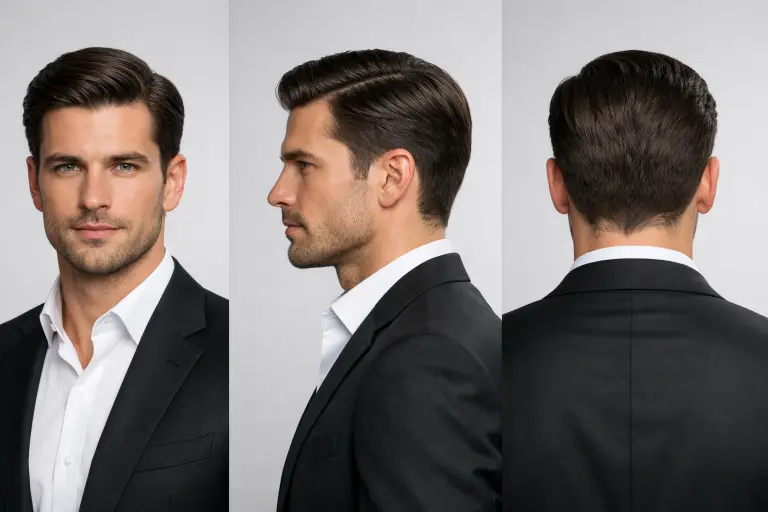
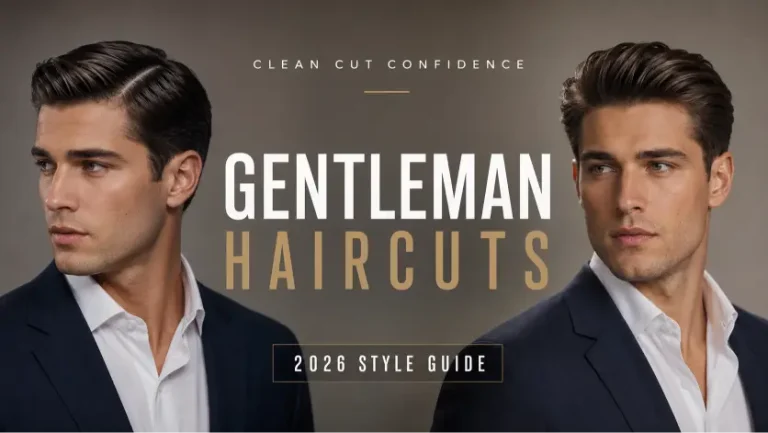
This is the traditional gentleman’s cut—medium length on top with neatly tapered sides and a clean, defined part. It works best for straight to slightly wavy hair and suits oval, square, and heart-shaped faces. The look is polished and professional, ideal for office settings. It requires daily combing and light product like pomade for hold and shine.
2. Low Fade Side Part
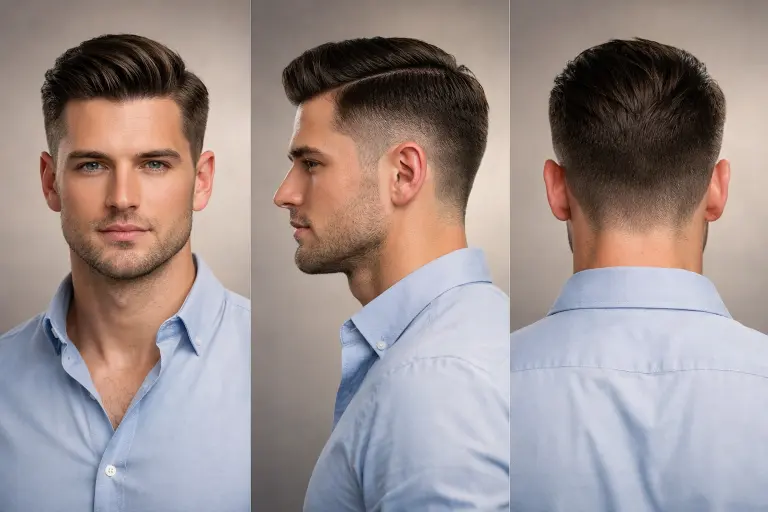
Here, the sides gradually fade starting just above the ears, while the top remains fuller. The low fade keeps things subtle, making it great for conservative environments. It suits most face shapes and works well with thick or medium hair. Maintenance is moderate—regular trims every 2–3 weeks keep the fade sharp.
3. Mid Fade Side Part
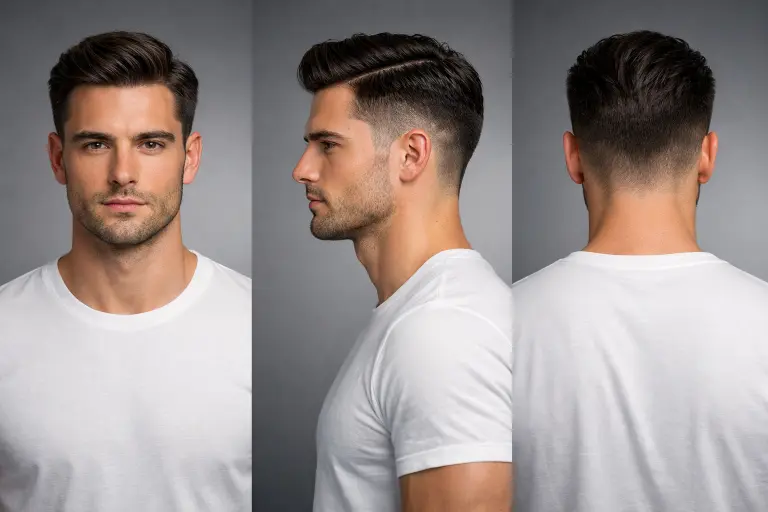
A mid fade creates more contrast by starting higher on the head. The top remains structured with a visible part, giving a cleaner, sharper appearance. This style suits round and oval faces by adding height. It works well with straight or slightly wavy hair and needs styling cream or pomade for definition.
4. High Fade Side Part
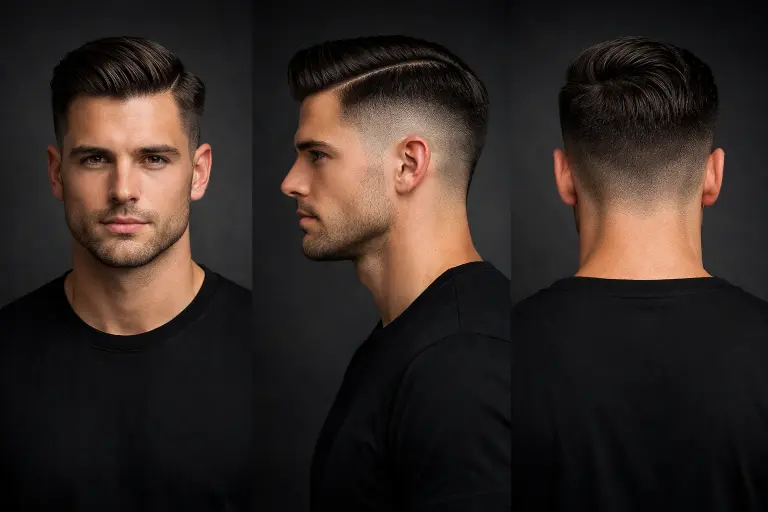
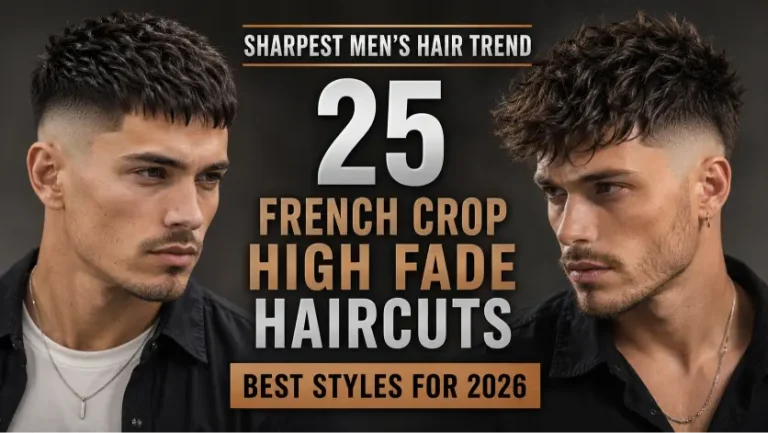
With a high fade, the sides are cut very short starting near the temples, creating a bold contrast with the longer top. This style suits square and oval faces and works best with thick hair. It gives a sharp, modern vibe but requires frequent touch-ups to maintain the fade.
5. Hard Part Side Part
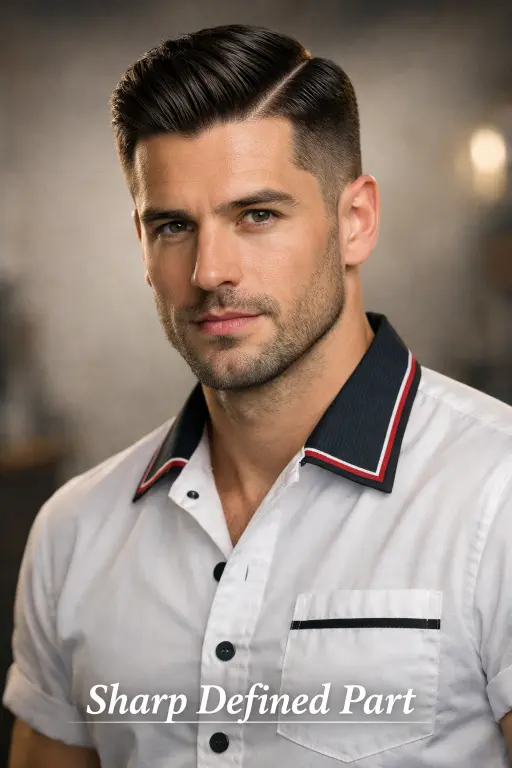
A hard part is shaved into the scalp to create a permanent, defined line. It adds structure and makes styling easier since the part is already set. Best for straight hair and angular face shapes, it delivers a clean, barbershop-fresh look. However, it needs regular maintenance as the line grows out quickly.
6. Textured Side Part

Instead of a smooth finish, this version uses choppy layers for a more relaxed, natural look. Ideal for wavy or thick hair, it suits round and oval faces by adding movement. It’s low-maintenance compared to classic styles and works well with matte products like clay.
7. Side Part with Taper Fade
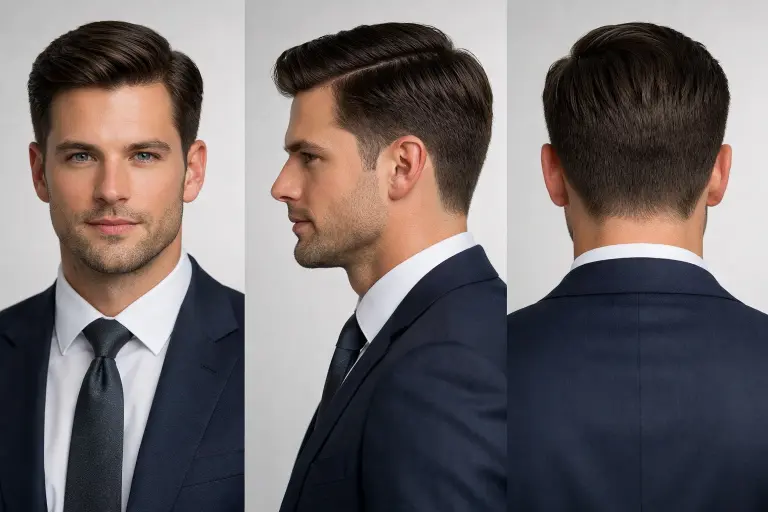
This combines a subtle taper around the neckline and ears with a clean side part on top. It’s less aggressive than a fade, making it ideal for professionals. Works with most hair types and face shapes, and requires minimal upkeep beyond occasional trims.
8. Side Part with Undercut
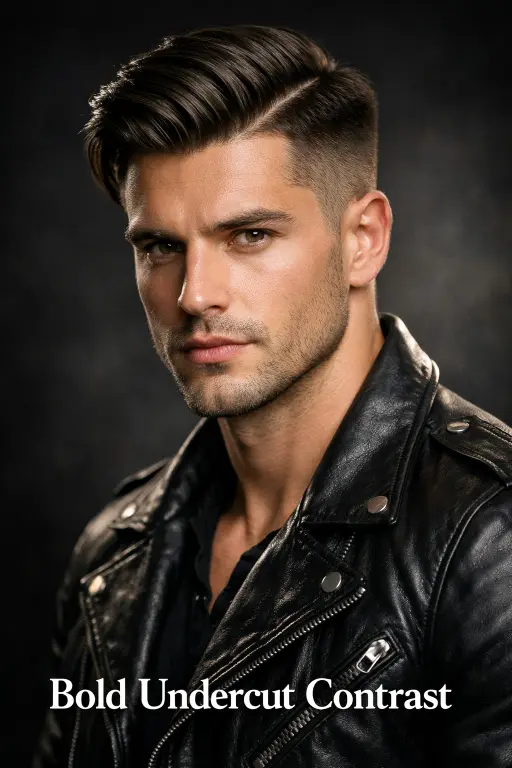
The sides are clipped very short or shaved, while the top is left long and disconnected. This creates strong contrast and a bold look. Best for thick, straight hair and oval or square faces. Styling requires effort—blow-drying and product are essential.
9. Comb Over Side Part

A modern take where the hair is combed across the part for volume. It’s great for men with thinning hair as it creates the illusion of density. Works best with fine to medium hair and suits most face shapes. Requires light styling daily.
10. Wavy Side Part

Designed for naturally wavy hair, this style embraces texture instead of fighting it. The part is softer and less defined, giving a relaxed appearance. Ideal for oval and heart-shaped faces. Use a light cream to enhance waves without stiffness.
11. Curly Side Part
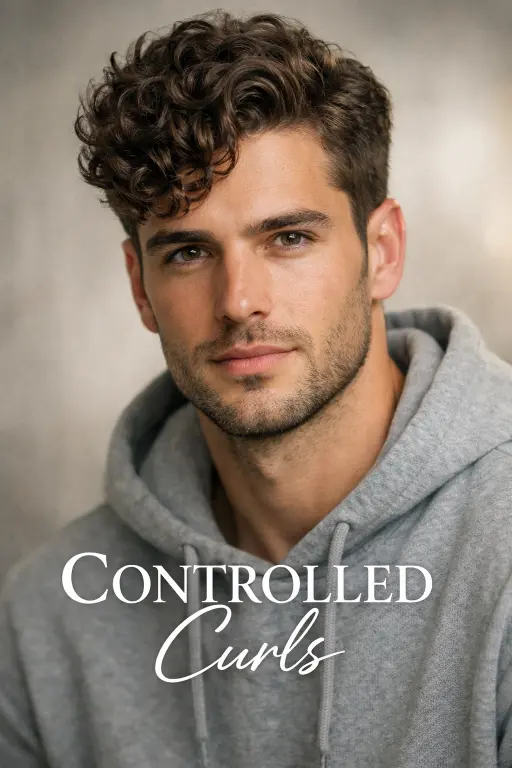
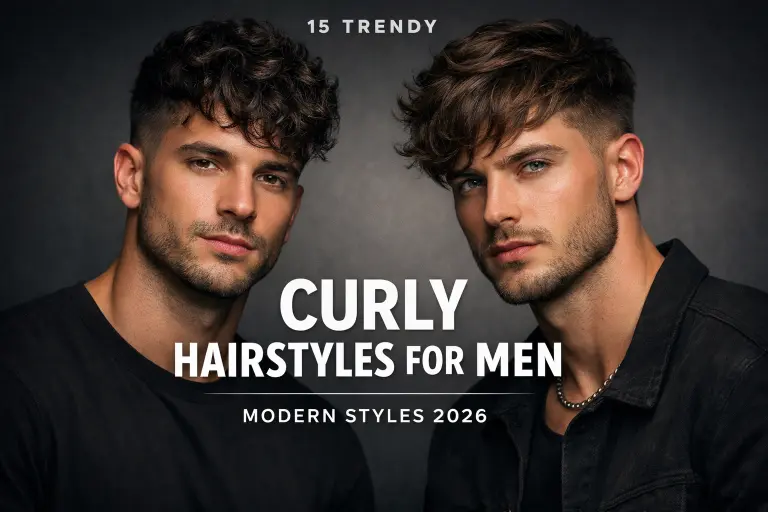
For curly hair, the side part helps control volume while maintaining natural texture. The sides are usually tapered, and the top is left longer. Best for thick curls and round or oval faces. Requires curl cream and regular hydration.
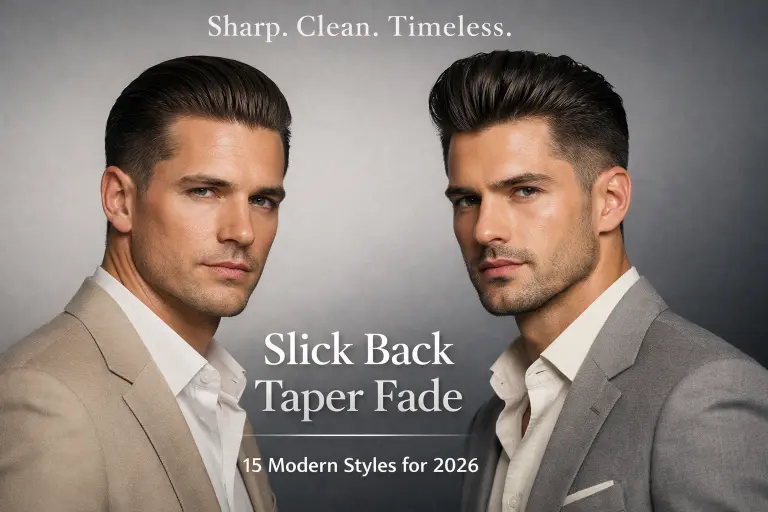
12. Side Part with Slick Back
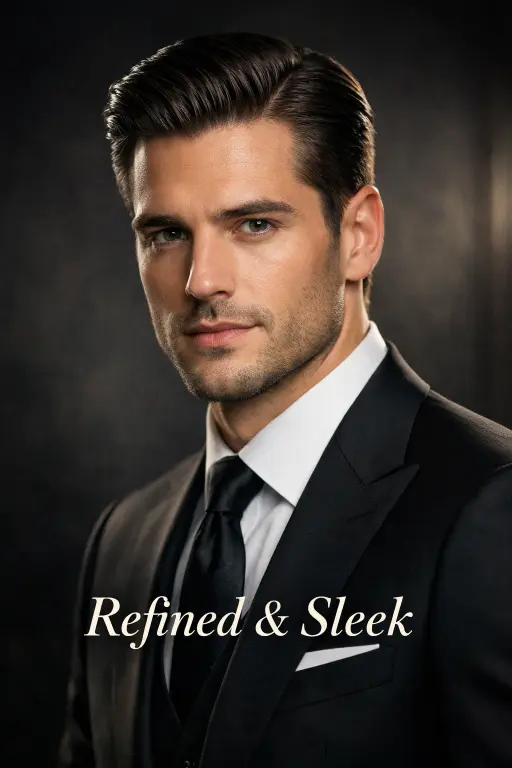
The hair is parted and then slicked back for a refined, formal look. Works best with straight, medium-to-thick hair and suits square or oval faces. Requires pomade or gel and daily styling for that polished finish.
13. Side Part with Quiff

This adds height at the front while maintaining the part. It’s stylish but not overly dramatic. Best for thick hair and round faces, as it elongates the face. Requires blow-drying and a strong-hold product.
14. Short Side Part
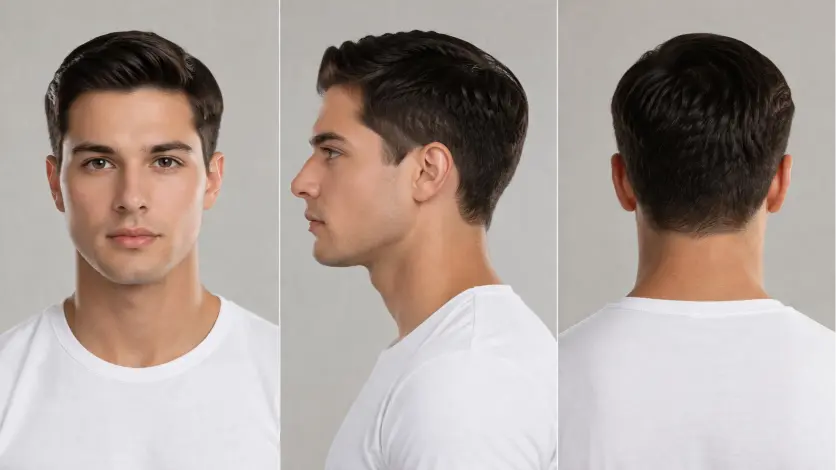
A low-maintenance version with shorter top length and clean sides. It’s easy to manage and suits almost all face shapes. Best for men who want a neat look without daily styling—just a quick comb and you’re done.
15. Long Side Part
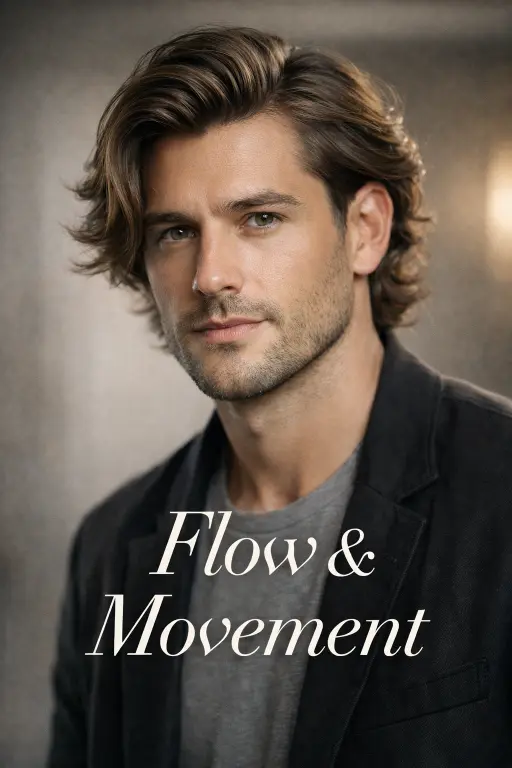
The top is left significantly longer, allowing for more movement and styling flexibility. Ideal for thick or wavy hair and oval faces. It gives a relaxed yet intentional look but requires regular styling to avoid looking messy.
16. Side Part with Beard Blend
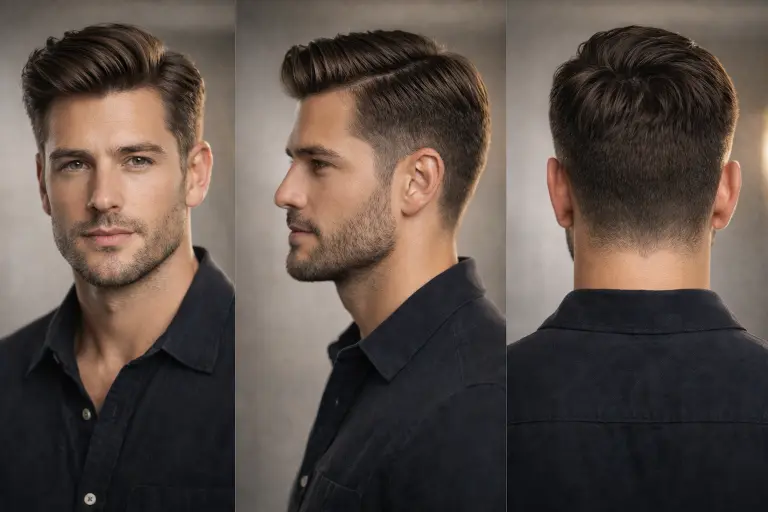
This style blends the fade seamlessly into the beard, creating a cohesive look. Works well for men with full beards and medium-to-thick hair. It adds structure to the face and requires regular grooming of both hair and beard.
17. Ivy League Side Part

A shorter, academic version of the side part with a slightly longer top than a crew cut. It’s clean, smart, and easy to maintain. Best for straight hair and professional settings. Minimal styling needed.
18. Side Part with Drop Fade
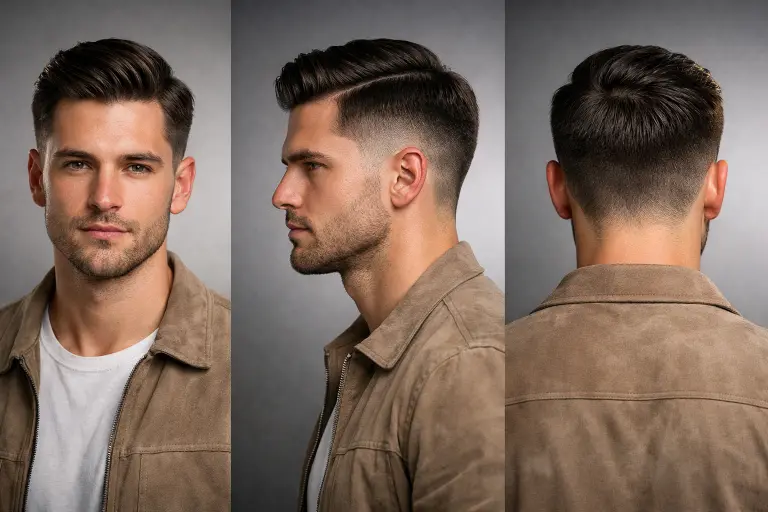
The fade curves around the back of the head, following the natural shape. This adds depth and dimension. Best for thick hair and suits most face shapes. It’s modern but not too flashy.
19. Side Part with Skin Fade
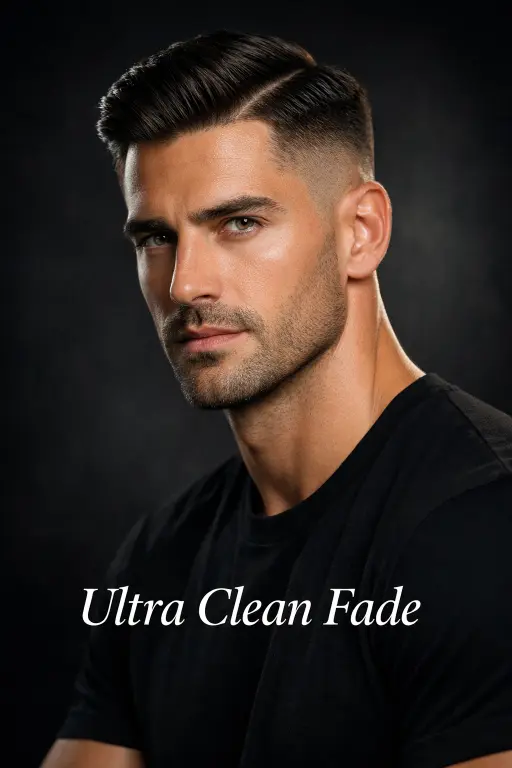
The fade goes down to the skin, creating a very sharp contrast. Ideal for bold, clean looks. Works best with thick hair and angular faces. Requires frequent barber visits to keep it fresh.
20. Side Part with Fringe
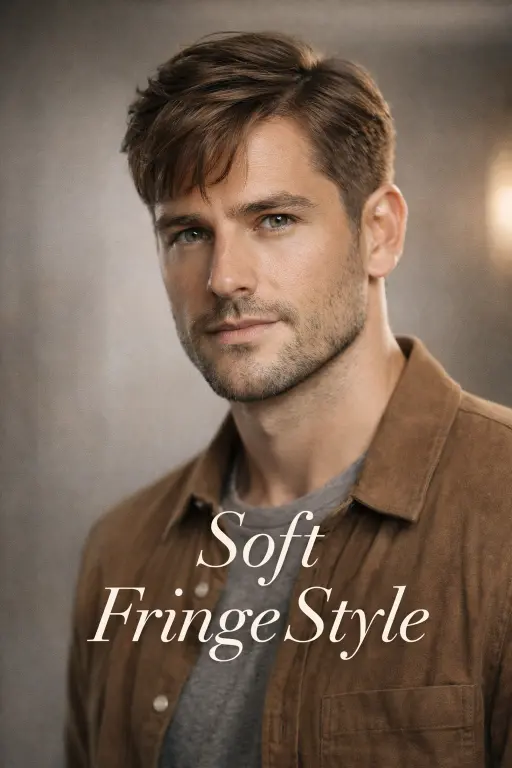
Instead of combing everything back, some hair falls forward slightly. This softens the look and works well for men with larger foreheads. Best for straight or wavy hair and requires light styling.
21. Messy Side Part

A relaxed, undone version with minimal structure. Great for casual styles and younger looks. Works best with medium to thick hair and suits most face shapes. Very low maintenance—just a bit of product for texture.
22. Side Part Pompadour
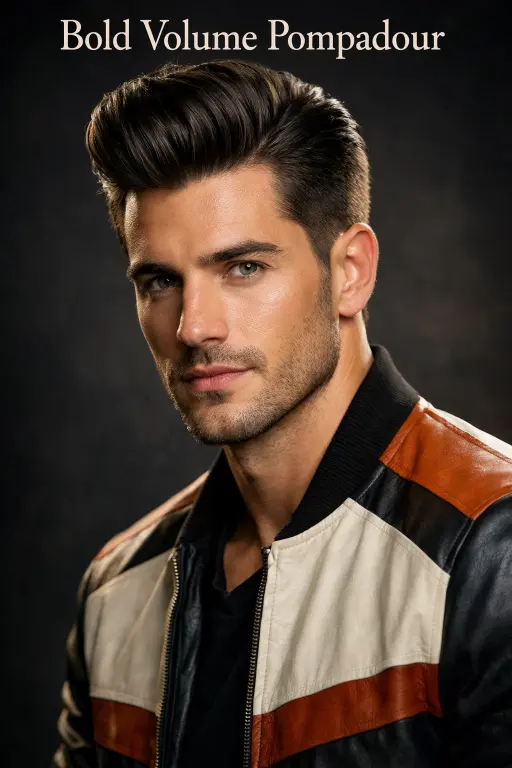
Combines volume at the front with a defined part. It’s bold and retro-inspired. Best for thick hair and oval or square faces. Requires time and styling products to maintain height and shape.
23. Side Part with Line Design
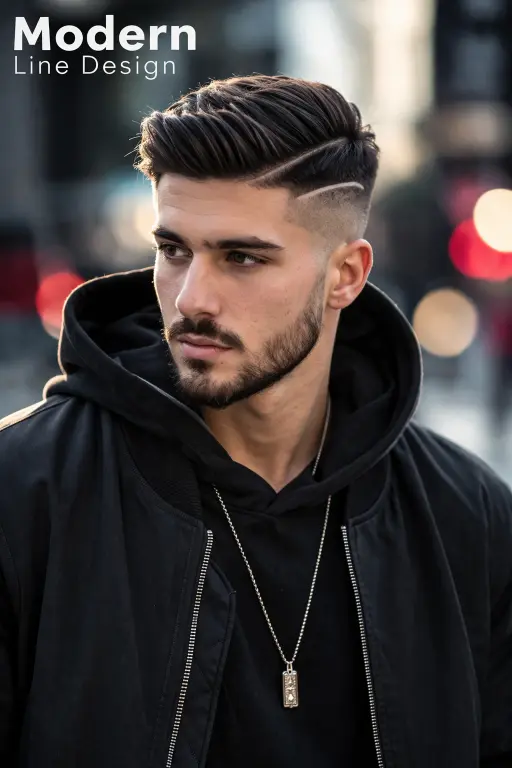
Adds a shaved line or subtle design near the part or fade. It’s more expressive and suits younger styles. Works with most hair types but needs frequent touch-ups to keep the design visible.
24. Side Part with Tapered Neckline
Focuses on a clean, natural taper at the back instead of a fade. It’s subtle and timeless, ideal for professionals. Works with all hair types and requires less frequent maintenance.
25. Natural Side Part

This follows your hair’s natural growth pattern instead of forcing a hard line. It looks effortless and suits all hair types, especially fine or thinning hair. It’s the easiest to maintain and requires minimal styling.
How to Choose the Right Side Part Haircut
Choosing the right side part comes down to a few key factors. Your face shape matters—round faces benefit from height (like a quiff), while longer faces suit flatter styles. Your hair type is equally important; thick hair can handle volume-heavy styles, while fine hair works better with shorter, structured cuts. Consider your hair density—thinning hair benefits from textured or comb-over styles. Finally, think about your lifestyle. If you don’t want to style your hair daily, go for a short or natural side part.
Common Mistakes to Avoid
One of the biggest mistakes is choosing a style that doesn’t match your hair type—forcing a sleek side part on curly hair rarely works. Another is ignoring maintenance; fades and hard parts require frequent barber visits. Many men also overuse product, making the hair look greasy instead of controlled. Lastly, picking a part that goes against your natural growth pattern can make styling frustrating.
Pro Tips
Always find your natural part before choosing a style—it makes daily styling much easier. Use matte products for a modern look and pomade for a classic finish. Blow-drying adds volume and control, especially for finer hair. Get regular trims every 2–4 weeks to keep the shape sharp. Match your haircut with your beard style for a more balanced look.
Conclusion
The side part isn’t just one haircut—it’s a whole category of styles you can tailor to your face, hair, and routine. Whether you want something sharp and professional or relaxed and modern, there’s a version that fits. The key is choosing one that works with your natural hair, not against it.
FAQs
1. Is a side part good for all face shapes?
Yes, but the style needs adjustment. Adding volume helps round faces, while flatter styles suit longer faces.
2. How do I find my natural side part?
After washing your hair, let it fall naturally or comb it forward—your hair will separate where it naturally parts.
3. Can I get a side part with curly hair?
Absolutely. Just keep the part softer and embrace the natural texture instead of forcing a sharp line.
4. How often should I trim a side part haircut?
Every 2–4 weeks, depending on how sharp you want the fade or part to look.
5. What product is best for a side part?
Pomade for a sleek finish, clay for texture, and cream for a natural, flexible hold.