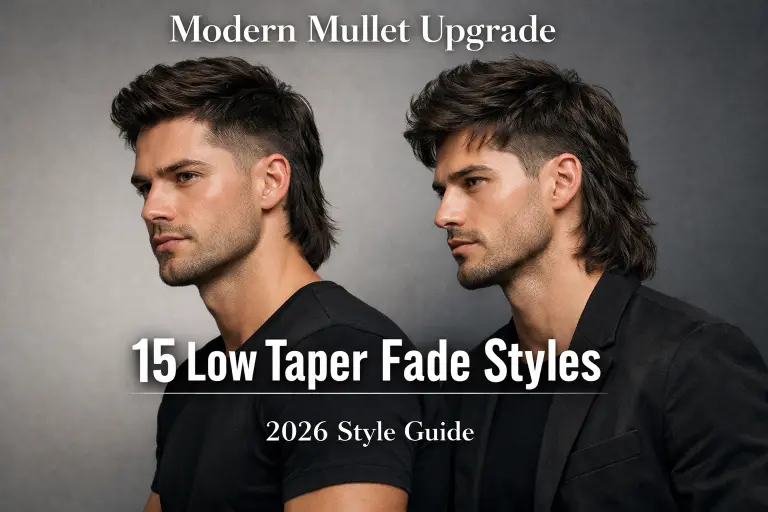
15 Low Taper Fade Mullet Styles for Every Hair Type
A lot of guys like the idea of a mullet—but don’t want it to look outdated, messy, or too extreme for everyday life. That’s where the low taper fade mullet Styles comes in. It keeps the personality of a mullet while staying clean, modern, and wearable for different settings.
If you’re considering this style but aren’t sure which variation suits your hair type or face shape, this guide breaks down the best options in a clear, practical way.
What Is a Low Taper Fade Mullet?
A low taper fade mullet combines short, gradually faded sides that start just above the ears with longer hair at the back. The taper keeps the look clean around the neckline and temples, while the mullet section adds length and movement. It’s a balanced mix of sharp and relaxed styling.
1. Classic Low Taper Fade Mullet
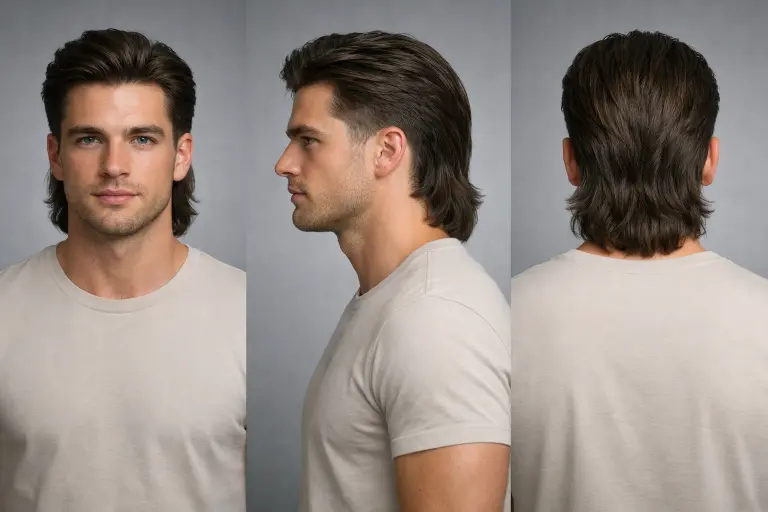
This is the most balanced version of the style. The sides are tapered low and clean, while the back is left moderately long—not too dramatic. The top blends naturally into the back without harsh contrast.
It suits most face shapes, especially oval and square, and works well with straight to slightly wavy hair. The overall vibe is subtle and wearable, making it a great entry point if you’re new to mullets. Maintenance is moderate—regular tapers keep it sharp.
2. Textured Low Taper Fade Mullet

This version focuses on choppy layers and natural movement. The top and back are cut with texture, giving it a slightly messy, lived-in look rather than a sleek finish.
It’s ideal for thick or wavy hair and suits round or oval faces by adding dimension. Styling requires a bit of product—like matte clay—to enhance separation. Choose this if you want something relaxed but still intentional.
3. Curly Low Taper Fade Mullet

Here, the curls do the work. The taper keeps the sides clean while the curls are left fuller on top and longer in the back.
Best for naturally curly or coily hair, this style adds volume and personality. It complements longer face shapes by widening the silhouette. Maintenance includes curl creams and moisture care, but the payoff is a standout, natural look.
4. Straight Hair Low Taper Fade Mullet
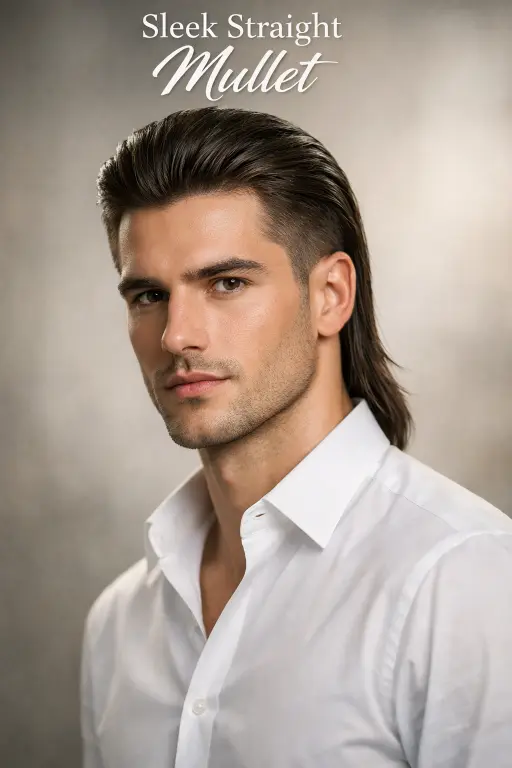
This version keeps things sleek and structured. The straight texture allows for a clean flow from the top into the longer back.
It works best for fine to medium straight hair and suits angular face shapes. The vibe is more polished than rugged. Styling is minimal—just a light cream or serum to control flyaways.
5. Messy Low Taper Fade Mullet
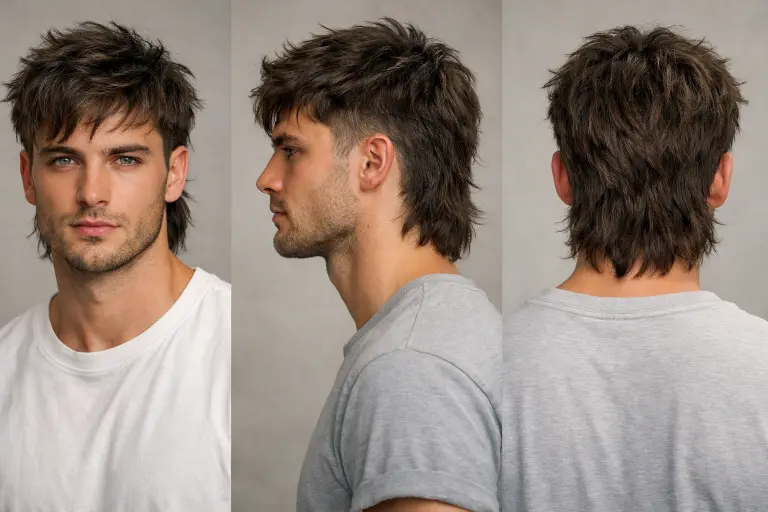
This style leans into controlled chaos. The back is longer and slightly uneven, while the top has a tousled, carefree finish.
It’s great for medium to thick hair and suits younger or casual lifestyles. Face shape is flexible, but it works especially well for oval faces. It requires minimal styling—just finger work and a bit of product.
6. Short Low Taper Fade Mullet
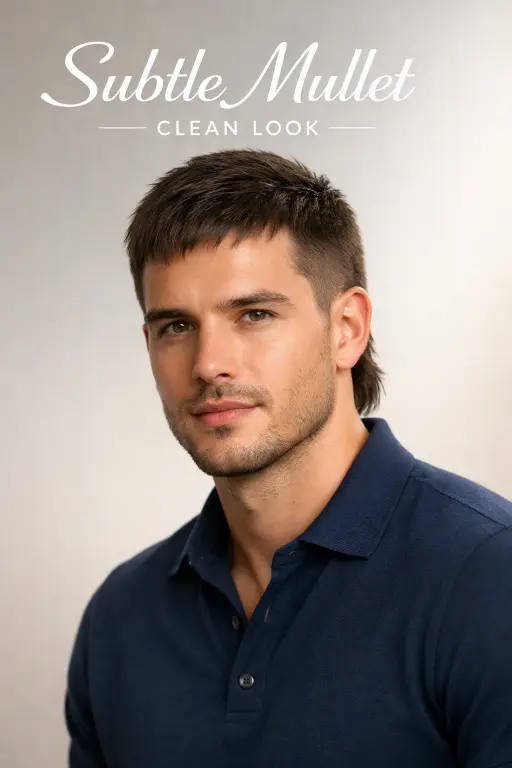
If you want a mullet without too much length, this is your option. The back is kept short and subtle, barely extending past the neckline.
It’s ideal for professional settings or first-timers. Works on most hair types and face shapes. The vibe is clean and understated, and maintenance is low—just regular trims.
7. Long Low Taper Fade Mullet

This is a more dramatic take, with noticeable length at the back. The taper keeps the sides tight, creating strong contrast.
Best for thick or wavy hair, it suits longer or oval face shapes. The look is bold and expressive. Maintenance is higher due to the length, especially if you want to keep it healthy and styled.
8. Low Taper Fade Mullet with Fringe

This version adds a fringe (bangs) at the front while maintaining the mullet at the back.
It works well for straight or slightly wavy hair and is great for covering a larger forehead. It suits oval and heart-shaped faces. Styling involves keeping the fringe neat while letting the back flow naturally.
9. Low Taper Fade Mullet with Hard Part

A sharp part line is added on one side, giving structure to the top while the back stays longer.
This works best on straight or slightly wavy hair. It suits square and oval faces and gives a more polished, barbershop finish. Maintenance includes keeping the part defined with regular touch-ups.
10. Low Taper Fade Mullet with Beard Blend

Here, the taper seamlessly connects into a beard, creating a continuous flow from hair to facial hair.
Best for men with full beards, it suits most face shapes by adding balance. The look is rugged yet controlled. Maintenance involves regular beard grooming and taper cleanups.
11. Low Taper Fade Mullet with Design

This style includes shaved designs or patterns on the faded sides, adding a creative edge.
It works on all hair types but requires confidence to pull off. Best for younger or trend-forward looks. Maintenance is high since designs fade quickly and need frequent refreshes.
12. Wavy Low Taper Fade Mullet

This version highlights natural waves, giving the back a soft, flowing appearance.
Perfect for medium to thick wavy hair, it suits square and oval faces. The vibe is relaxed and beachy. Styling includes sea salt spray or light cream to enhance waves.
13. Low Taper Fade Mullet with Undercut Feel
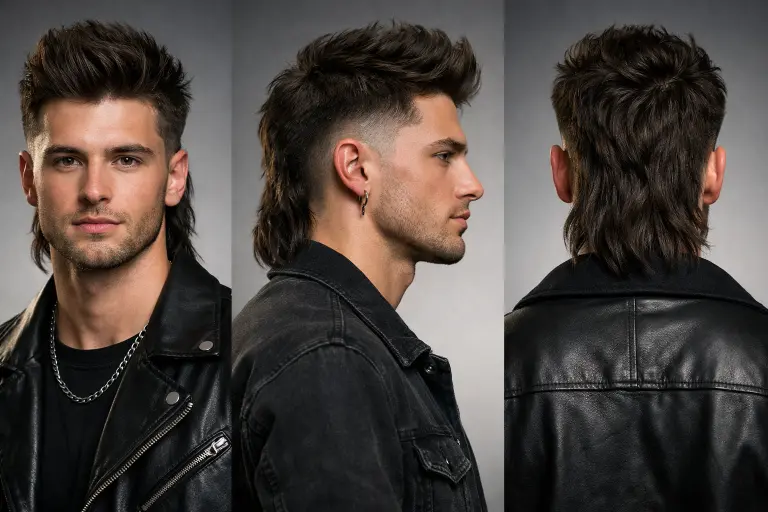
Although still a taper, the sides are kept tighter, almost mimicking an undercut contrast.
This creates a sharper difference between the sides and the longer back. It suits straight or thick hair and works well for angular face shapes. Maintenance is moderate to high.
14. Low Taper Fade Mullet with Slick Back Top

The top is styled backward while the back remains long, creating a clean front and relaxed rear.
Best for straight or slightly wavy hair, it suits oval and square faces. The look is refined yet edgy. Styling requires pomade or cream for hold and shine.
15. Low Taper Fade Mullet for Thin Hair

This version uses layering to create the illusion of volume, especially at the crown and back.
Ideal for fine or thinning hair, it suits most face shapes. The taper keeps it neat while the back adds fullness. Use lightweight volumizing products for best results.
How to Choose the Right Hairstyle
Choosing the right low taper fade mullet depends on a few key factors. Your face shape matters—longer faces benefit from fuller sides, while round faces need more height on top. Your hair type also plays a role; curls add volume naturally, while straight hair needs structure.
Consider your hair density—thicker hair handles longer mullets better, while thinner hair benefits from shorter, layered versions. Finally, think about your lifestyle. If you don’t want daily styling, go for simpler, low-maintenance variations.
Common Mistakes to Avoid
One common mistake is going too long in the back without balancing the sides—it quickly looks unintentional. Another is ignoring your natural hair texture; fighting it leads to constant styling frustration.
Many also skip regular taper cleanups, which makes the style lose its sharpness. Lastly, choosing a version that doesn’t match your lifestyle (too high-maintenance) often leads to abandoning the look.
Pro Tips
- Ask your barber to blend the top into the back smoothly—harsh transitions ruin the look
- Keep the taper fresh every 2–3 weeks for a clean finish
- Use lightweight products—heavy gels can flatten the style
- Work with your natural texture instead of forcing it
- If unsure, start with a shorter mullet and grow it out gradually
Conclusion
The low taper fade mullet is one of the most versatile modern haircuts—you can keep it subtle or make it bold depending on how you wear it. The key is choosing a version that fits your hair type, face shape, and daily routine. Once you get that right, it becomes an easy, standout style to maintain.
FAQs
1. Is a low taper fade mullet suitable for work?
Yes, especially shorter or cleaner versions. Keeping the back subtle makes it more professional.
2. How often should I get a taper touch-up?
Every 2–3 weeks to maintain the clean fade around the ears and neckline.
3. Can thin hair pull off a mullet?
Yes, with proper layering and shorter length to create volume.
4. Do I need styling products daily?
Not always. Textured or messy versions need minimal styling, while slick styles require product.
5. What should I tell my barber?
Ask for a low taper fade on the sides and neckline, with length left in the back. Bring a reference photo for your preferred variation.